
Say you are a country that needs a lot of a particular input: the rare earths that go into magnets, motors, missiles and so on. Say one other country produces most of the world’s supply. You will never put it in writing, but that country can hurt you whenever it likes. All it has to do is stop selling. The fix is obvious and costly. You find other sellers, which probably means paying for mines and refineries that are not the cheapest ones available, and you do it alongside friends so that none of you gets picked off alone.
That, more or less, is what the Quad just did. Al Jazeera reported that US President Donald Trump met India’s Prime Minister Narendra Modi, Australia’s Prime Minister Anthony Albanese and Japan’s Prime Minister Sanae Takaichi in the Philippines, where the four leaders reached agreements meant to secure critical-minerals supply chains. Trump said the deals would prevent “coercion by any single foreign supplier.”
He did not say which supplier. You can probably guess. China dominates global rare earth supply, and the whole point of the exercise is to depend on it less. The leaders’ joint statement kept up the same coyness. It voiced “grave concerns” about “economic coercion,” arbitrary export restrictions included, and named no country. That is the diplomatic version of an email to the whole office about “someone” who keeps taking yogurt out of the shared fridge.
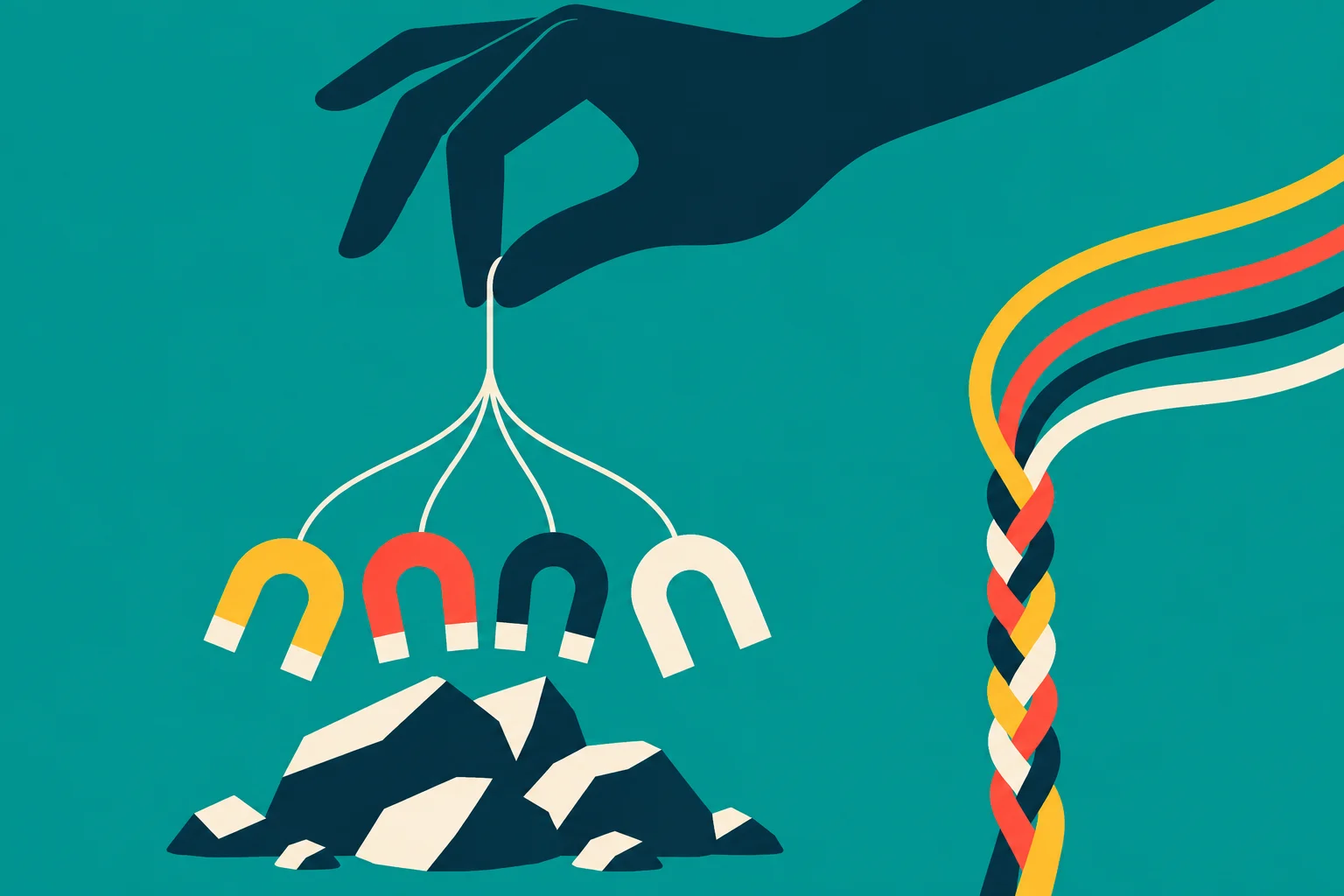
The yogurt is not hypothetical. China restricted rare earth exports last year during its trade fight with the US, and a deal in June was meant to restore US access. According to The Diplomat, China has also effectively cut Japan off from key critical minerals for almost a year as relations between the two countries have soured. So the coercion is not a thought experiment. One Quad member has been living with it for most of a year, and the US got a taste of it as well.
What was actually signed
This is the hard part to pin down. Trump announced the deals without saying which countries signed which agreements or which minerals they cover. The Diplomat describes the broader effort as the four countries coordinating on critical-minerals investment, regulation and recycling, aimed at protecting inputs to AI, defence and energy, under a Quad Critical Minerals Initiative launched by US Secretary of State Marco Rubio. Some of what got celebrated in Manila also goes back to an earlier, separate US-Japan agreement, signed during Trump’s visit to Tokyo after Takaichi took office, which set up a framework for increasing rare earth supply and production between the two countries.
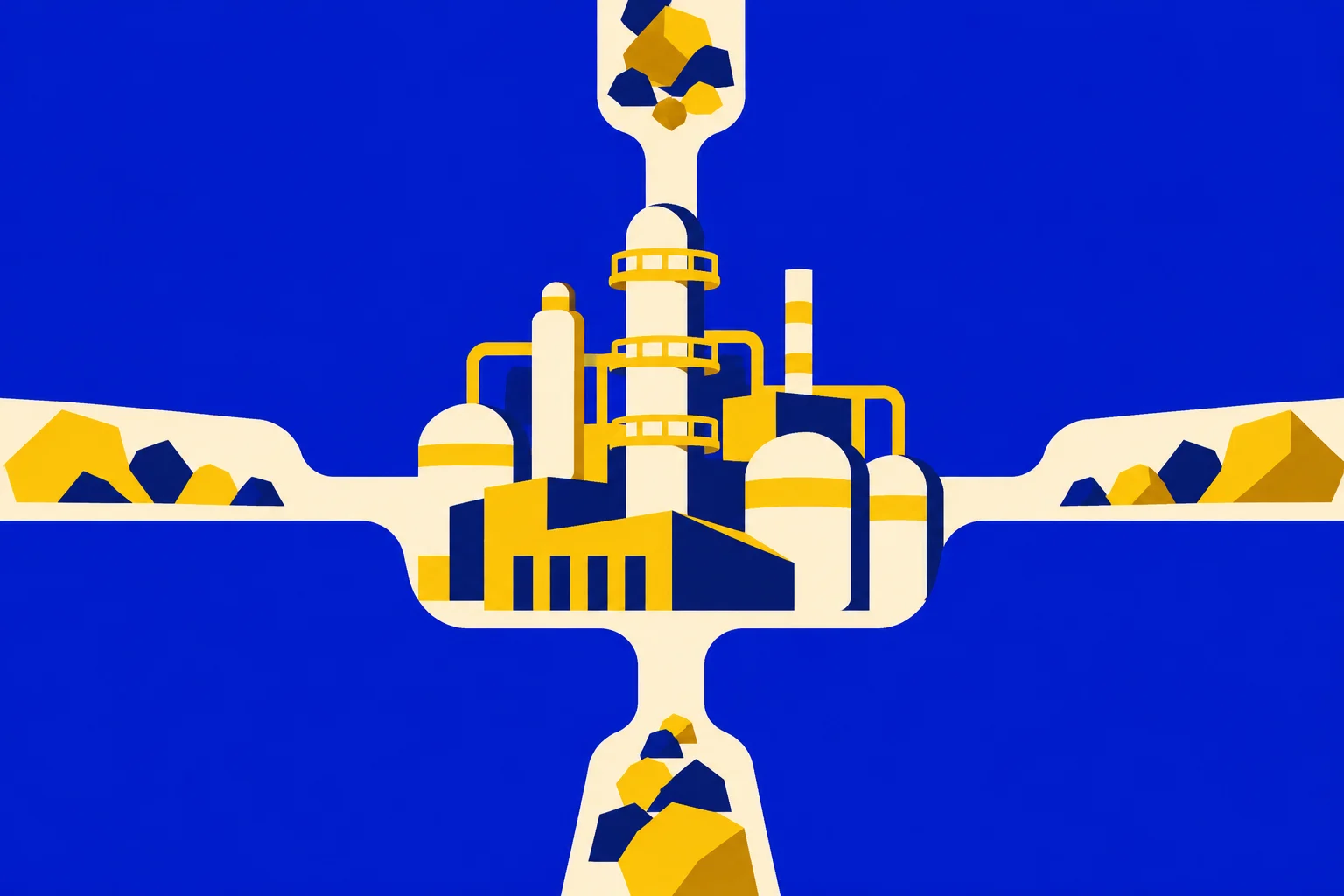
So at the moment “several minerals deals” is less a number than a direction. That is fine as far as it goes. Supply-chain diplomacy mostly consists of governments agreeing to agree and then, sometimes, writing cheques. Here is what I would watch for. Who pays the premium? Rare earths from outside China will cost more for a while, which is the very reason the world came to depend on China for them. Someone has to buy the pricier stuff on purpose: a government through stockpiles, price floors or offtake guarantees, or companies that have been leaned on. An anti-coercion agreement is basically an agreement to overpay a little for insurance. What matters is who holds the policy.
Trump, for his part, does not think the wait will be long. He said the US would have “everything we need” within 10 months: “We’re going to catch them within 10 months.” Ten months is ambitious for an industry that runs on mines and processing plants. Still, it is a specific number, and specific numbers can be checked, which puts it ahead of most summit communiqués.
The relationship part
This was Trump’s first Quad meeting. The group was a signature foreign-policy project of his predecessor, Joe Biden. Trump opened by calling the four countries “the four corners of a free, open, stable, and prosperous Indo-Pacific.” Beyond minerals, the leaders agreed on a maritime patrol-aircraft exercise for 2027, and Albanese said he backed holding a first Quad Business Leaders Forum next year.
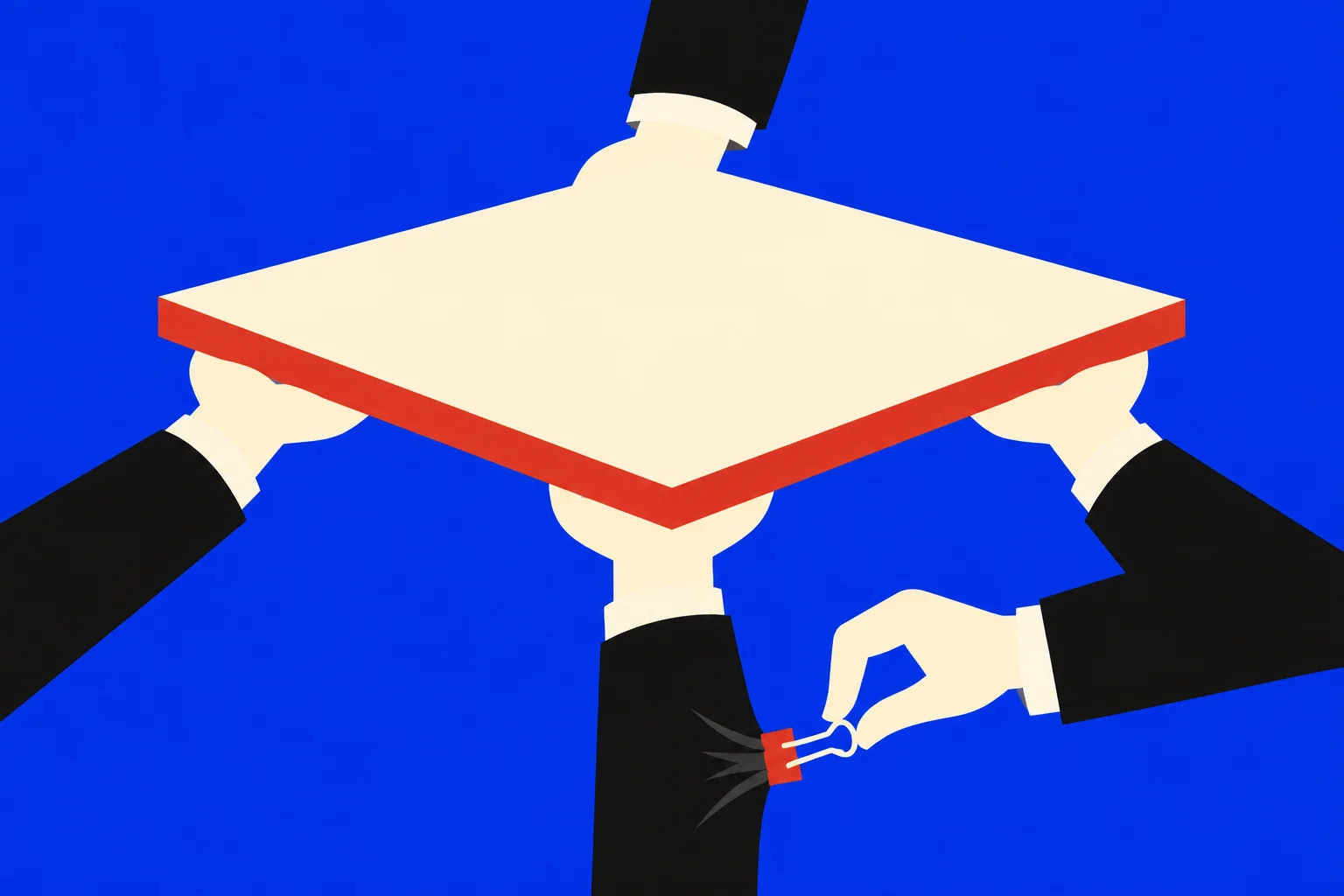
The awkward subtext is that one Quad member has been on the receiving end of economic pressure from another, in the form of Trump’s tariffs on India. Scott Lucas of University College Dublin told Al Jazeera that the meeting points to a “functioning relationship” despite that strain, though he doubted the group ought to be called an alliance. That seems about right. Four countries can be wary of coercion by a single supplier while one of them is fairly relaxed about its own tariffs.
A small housekeeping note: Al Jazeera’s text puts the meeting on Thursday, while The Diplomat dates it to 17 November, which was a Tuesday. Either way, it took place on the sidelines of the ASEAN summit in Manila.
Then there is the itinerary. From Manila, Trump goes on to Shenzhen for the APEC forum, where he is expected to hold a three-way meeting with Xi Jinping and Vladimir Putin. Albanese is also due to meet Xi there this week. The Iran question came along too. Asked about a CNN report of an alleged Iranian “dirty bomb” plot, Trump said he was “looking into it” and warned of a severe price if Iran posed an imminent threat. Iran’s foreign ministry spokesperson called the claims “baseless allegations.”
So the week runs like this. On Tuesday, four leaders sign agreements to make sure no single foreign supplier can coerce them. A few days later, two of them sit down with that supplier. The deals are not designed to make that conversation friendlier. They are designed to give the buyers a slightly better negotiating position than they had last week.