
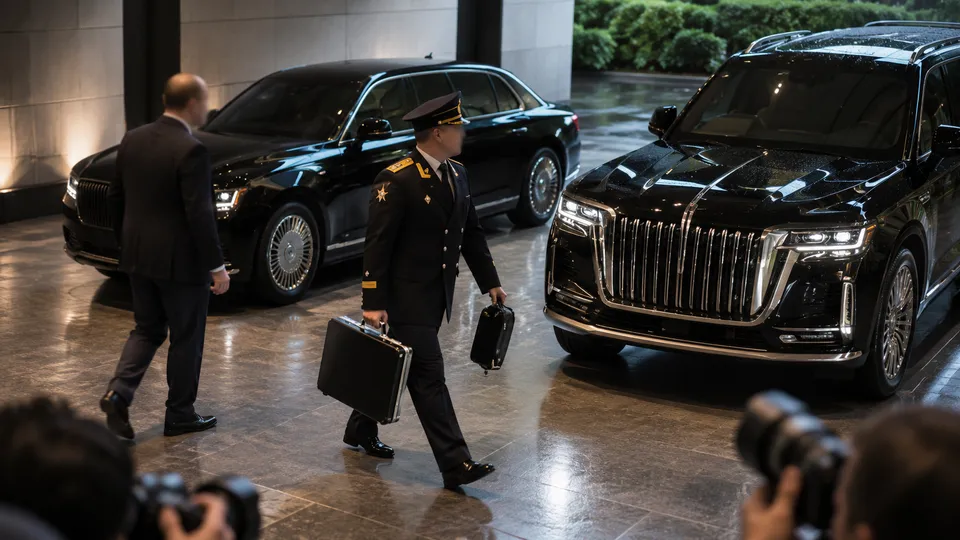
The leaders of the United States, China and Russia were arriving in Shenzhen on Thursday for trilateral talks on the margins of the Asia-Pacific Economic Cooperation summit. Among the uniforms and officials moving with President Vladimir Putin, one Russian naval officer carried a black briefcase. Russian state television turned its camera towards it and moved closer.
As Al Jazeera reported, the reporter Yevgeny Popov gestured towards the case and told viewers, “this is the nuclear briefcase”. The officer smiled and confirmed the identification. It was the Cheget, the case associated with the Russian president’s direct access to his country’s nuclear arsenal.
A case named for a mountain
The Cheget takes its name from Mount Cheget in the Caucasus. Reuters previously explained that it is traditionally carried by a naval officer and remains with the president at all times, although it is rarely filmed. Its appearance in Shenzhen was therefore unusual less for its presence than for the willingness to show it.
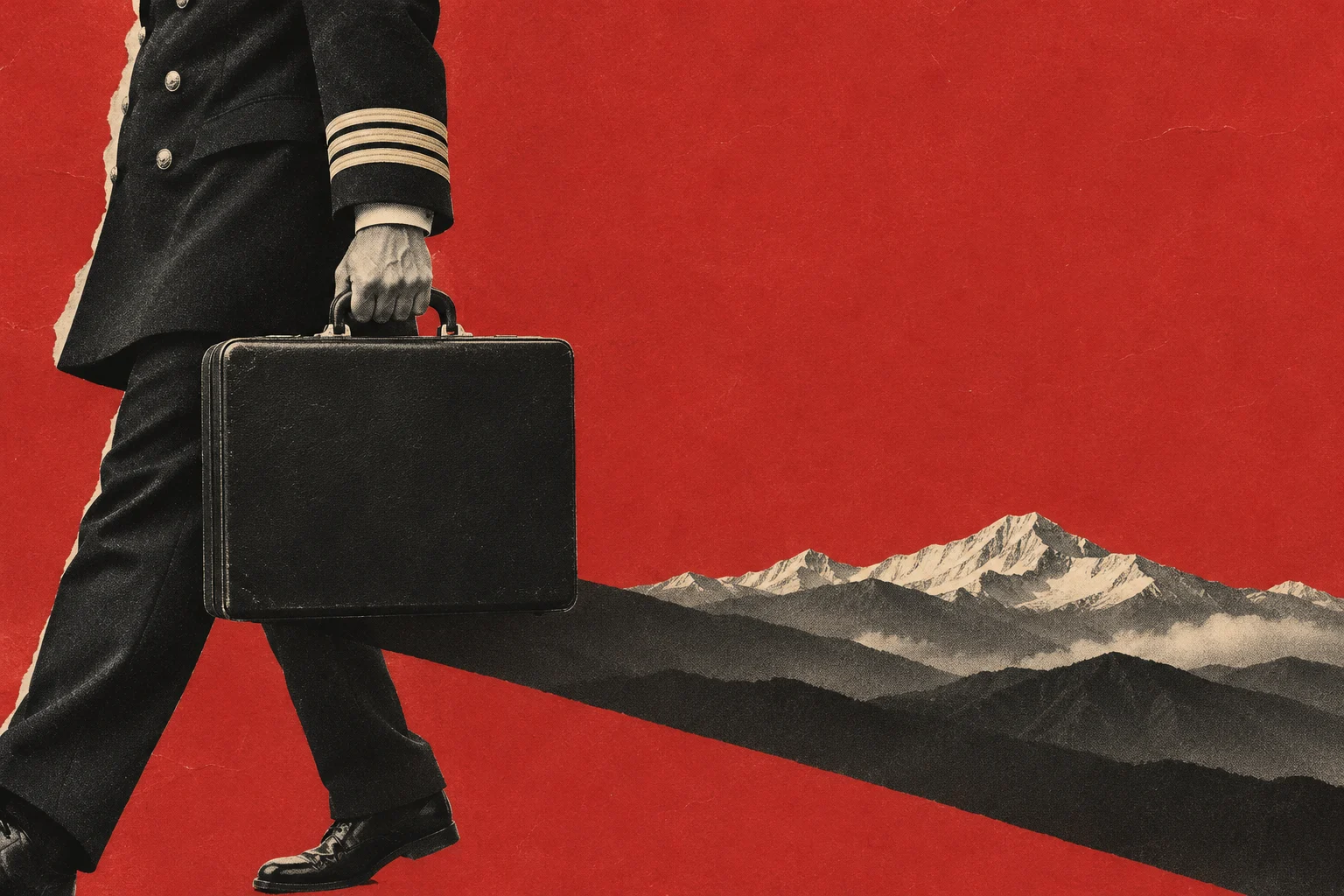
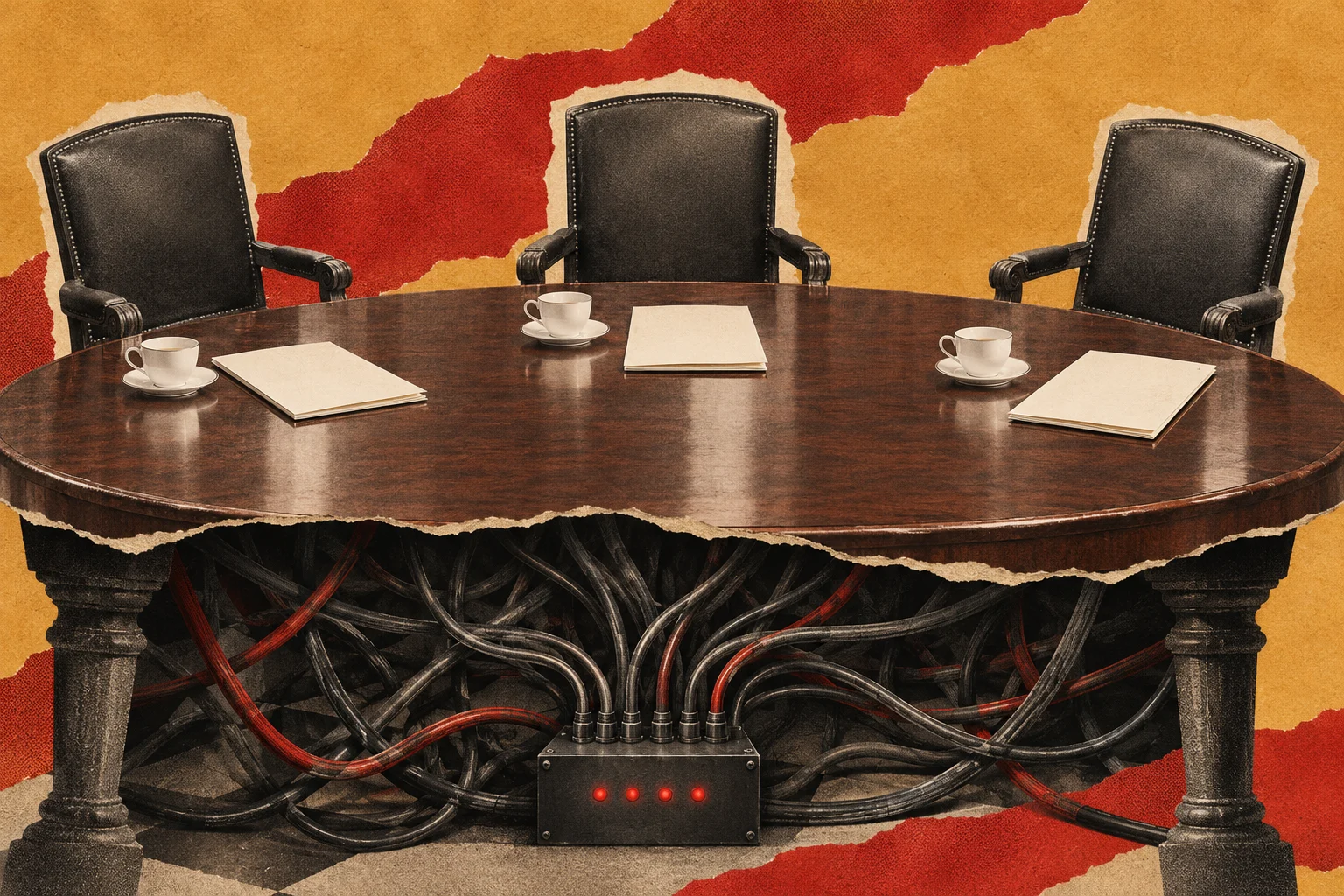
Its reported purpose is communication. The case securely connects the president to senior military commanders and, through them, to the rocket forces. It operates through the highly secret Kazbek electronic command-and-control network. Kazbek also supports a separate communications system known as Kavkaz.
Beyond that outline, public knowledge becomes uncertain. Accounts differ over how many such briefcases would be required to authenticate a presidential order. The distinction matters: the visible object is a link within a command structure, and the reporting does not establish that every step of launching a weapon rests inside its black shell.
The diplomacy of being seen
This was not the first time the case had been noticed during a Russian presidential visit to China. Reuters filmed officers accompanying Putin with the nuclear briefcase during his visit in 2023. Then, as now, the image joined two rituals that modern states usually keep apart: the public ceremony of negotiation and the private machinery of mass destruction.
The American presidency has its own attendant and case. Al Jazeera illustrated the comparison with a Reuters photograph from July 24, 2018, showing a military aide carrying a briefcase containing launch codes as President Donald Trump returned to the White House. The arrangements differ, but the underlying principle is similar: wherever the head of state travels, the chain of command travels too.
At a summit devoted to the orderly language of international cooperation, the Shenzhen footage offered a reminder of what still accompanies the men doing the negotiating. No launch was reported, no order was announced and no alert was described. Yet the case required no speech to make its meaning plain.
There is an old temptation, when contemplating absolute weapons, to imagine them as abstractions belonging to strategy papers and military commands. Here the abstraction had a handle and a uniformed carrier. It walked within camera range of a presidential delegation, while the officer holding it smiled.
For viewers, that brief exchange supplied the entire revelation. Popov pointed; the officer confirmed. Around them proceeded the carefully managed arrival of three powers whose leaders had come to talk, accompanied by a system built for the moment when talking has failed.