
On Monday, 19 October, the Pennsylvania Department of Health sent the state’s doctors a warning about an illness most of them knew only from textbooks. Congenital measles, in which the virus reaches a child before birth, had not been seen in decades before the current outbreak, the department noted. Now cases of measles in pregnancy were climbing, and the infected newborns were climbing with them. As Beth Mole reported for Ars Technica, the alert came with detailed clinical guidance for handling exposures and infections in pregnant patients and for treating newborns.
A government only writes instructions like these when the old protection has given way. For decades the measles, mumps and rubella vaccine kept this disease out of maternity wards so completely that whole careers in obstetrics began and ended without a single case. That protection depended on enough people being vaccinated. Vaccination rates are now slipping across the country, and the virus spreads fast once it gets into the under-vaccinated pockets that have opened up in places like Pennsylvania.
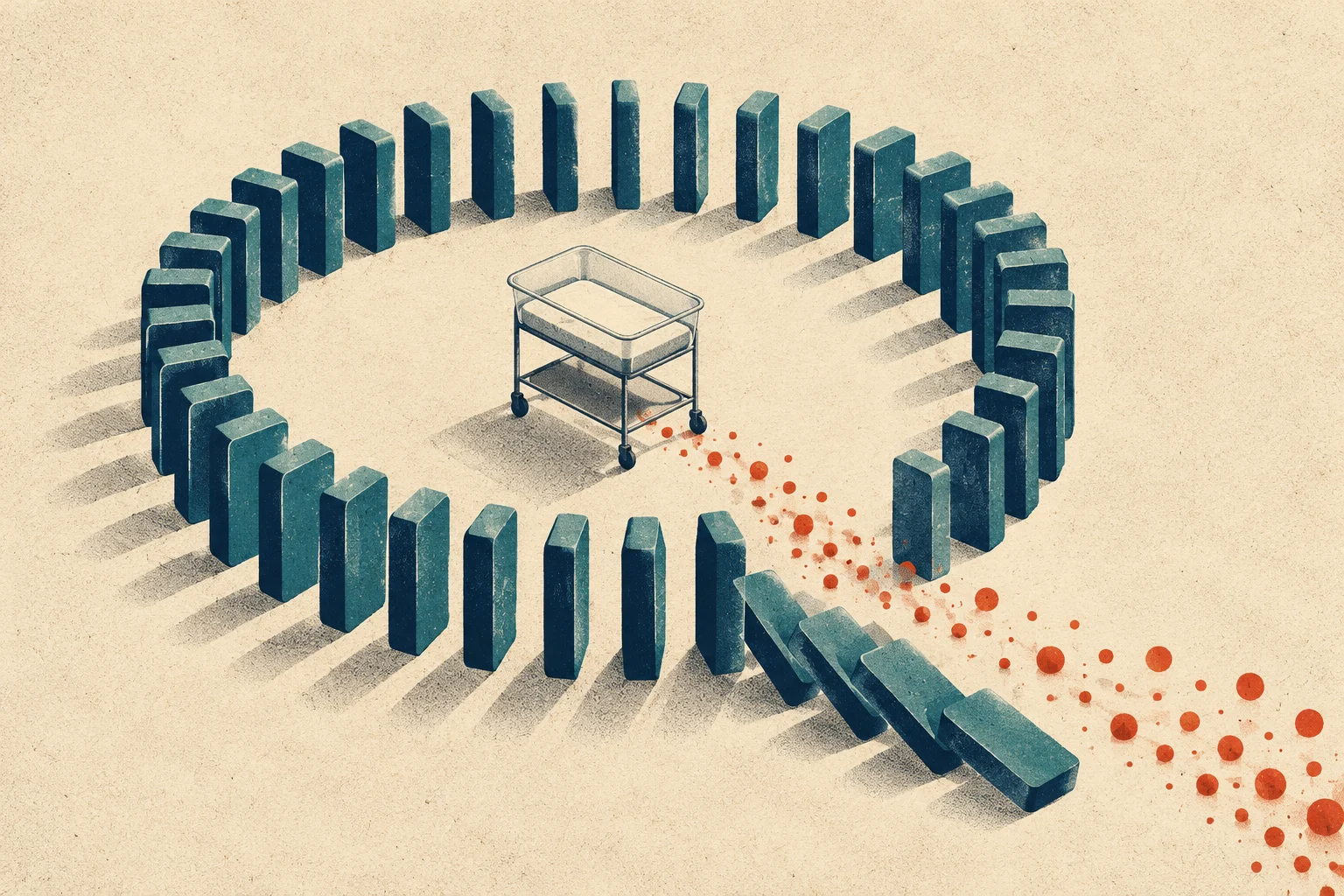
The arithmetic of a season
The figures as of 19 October: 1,286 cases this year across 42 counties, 247 people hospitalized, and six deaths reported. The sixth is still being investigated by the state health department and has not yet been added to its official tally. The department’s statewide update counted 26 new cases since 16 October and said the federal Centers for Disease Control and Prevention had begun an epidemiological assistance mission, known as an Epi-Aid, to support the response.
The outbreak passed 1,000 cases only at the start of the month. At the fifth death the count stood at 943.
What has no name is not counted
How many of the sick are pregnant women? The most recent public answer is already a few weeks old. The health department told The 19th that as of a Friday in early October, 977 measles cases had been reported in 2026, and 53 of them were in pregnant women. The department said it could not confirm any estimate of congenital measles cases or give details about the infected women, citing state privacy laws. It also said there is no nationally standardized definition of congenital measles, and that it was working with the CDC on a way to track and report such cases.

That leaves an odd gap in the record. A bureaucracy can only count what it has defined, and here the definition was still being drafted while the cases arrived. Meanwhile NBC News, citing a Pennsylvania doctor, reported that at least six newborns in the state had been infected during the outbreak. When Ars Technica asked the health department for more information, it did not immediately reply.
The department did give The 19th one more number: since 2 October, more than 100 of the state’s cases had been in children under 4. The 19th also reported that by early October nearly 40 percent of the state’s cases came from Lancaster County, the centre of the outbreak.
The first death
The outbreak’s first death was a newborn boy. He died immediately after birth while his mother was severely ill with measles. His death was at least one case of congenital measles that ended fatally. According to The 19th, he was one of two infants from Lancaster County among the dead.
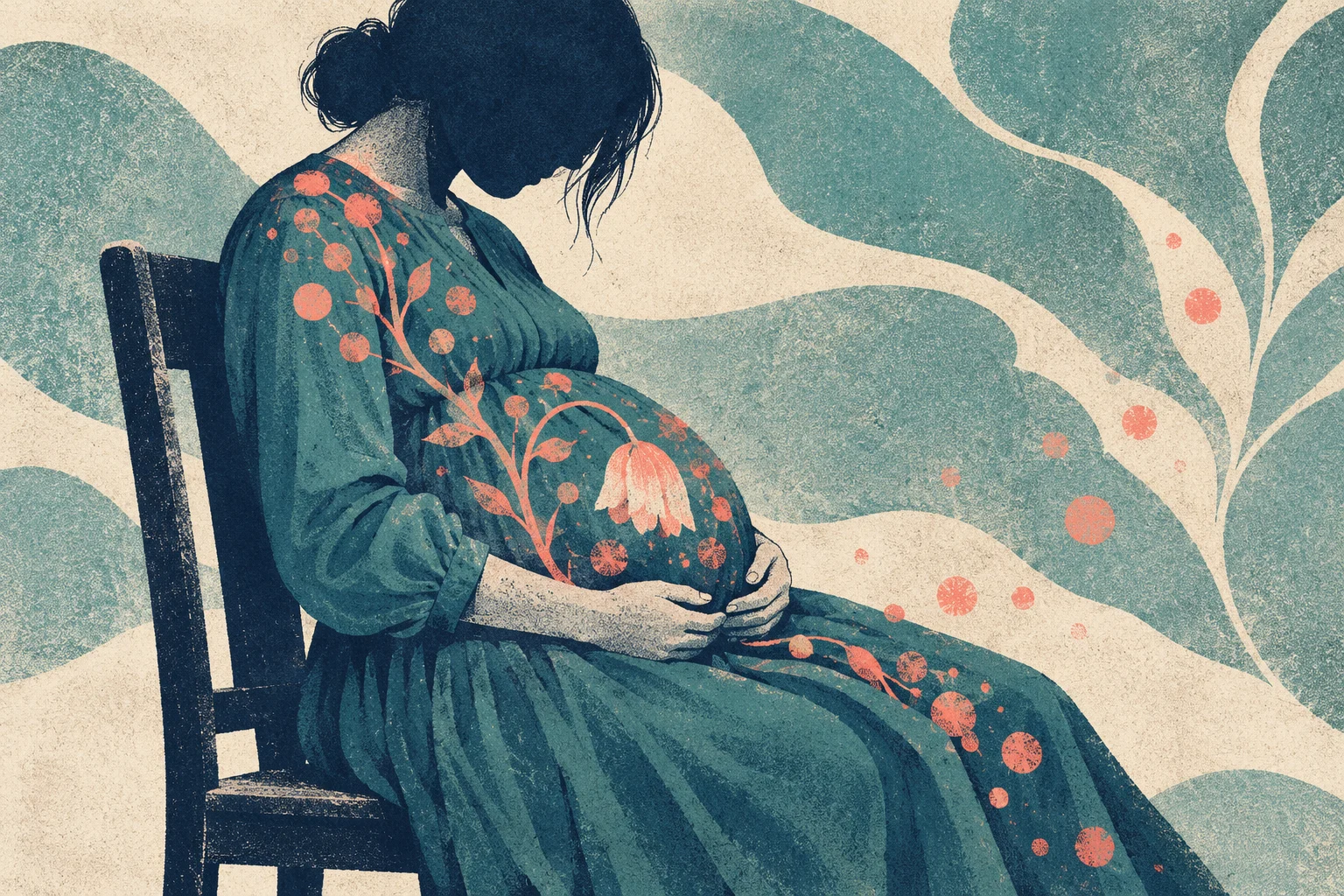
His mother’s illness shows the danger the alert addresses. Pregnant women who have never been vaccinated against measles and never had the disease can catch it, and in pregnancy it hits harder. It raises the risk of hospitalization, pneumonia, needing oxygen or a mechanical ventilator, and death. For the pregnancy itself it raises the risk of miscarriage, stillbirth, preterm labour and low birth weight.
Six days
Once a woman is pregnant, the usual protection is off the table. The MMR vaccine is not recommended during pregnancy because it is a live attenuated vaccine and carries a theoretical risk of infecting the fetus. The department’s advisory adds that women should avoid becoming pregnant for 28 days after vaccination, and it points providers to guidance from the American College of Obstetricians and Gynecologists on caring for pregnant patients, and those trying to conceive, during an outbreak.
A pregnant woman without immunity who is exposed to the virus is advised to get intravenous immunoglobulin, an infusion of donated antibodies that can lower the chance of infection and soften the illness. It only helps if given within six days of exposure.
Six days is a short time. In that window someone has to realize there was an exposure, trace it, reach the woman, find the infusion and give it. An outbreak with 26 new cases over a single weekend does not make that easy.
The alert also looks well past the birth. According to the advisory, infants who seem to have recovered can still develop delayed complications, including subacute sclerosing panencephalitis, a rare brain disease. Families are asked to watch for neurological signs years later: seizures, lost developmental milestones, and, in older children, trouble at school.
So the paperwork from this autumn reaches years ahead. Some of the children born sick in Pennsylvania this year will start school before anyone can say whether this outbreak is finished with them.