
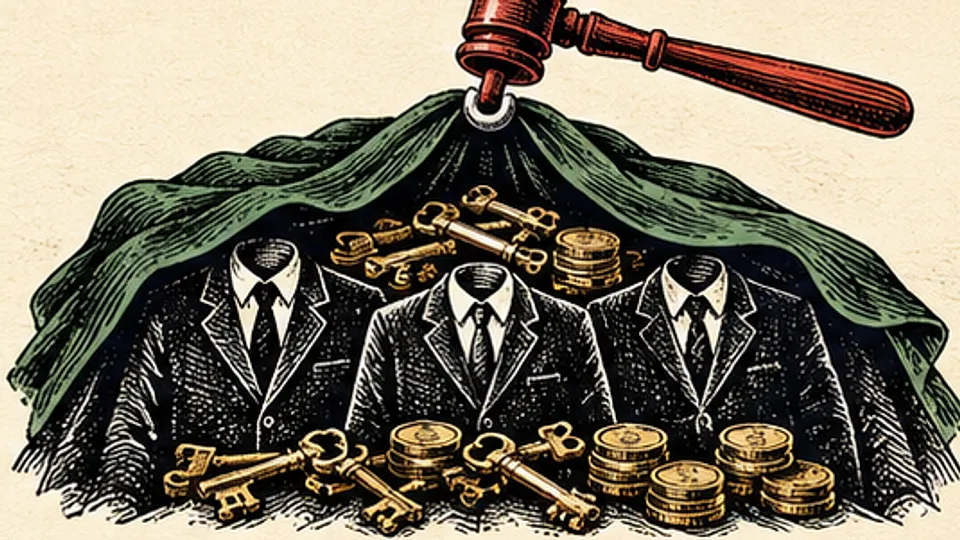
In Budapest the parliament building squatting over the Danube has seen this ritual before: a leader arrives cloaked in the law, and one day the same hall of deputies votes to take the cloak away. On Monday it happened three times in a single sitting.
Hungary’s National Assembly lifted the immunity of the incumbent prime minister, Peter Magyar, and of two ministers who served in the nationalist government of his predecessor, Viktor Orban. The vote clears the way for prosecutors to pursue three separate criminal investigations — one against the man who rules, two against men who have just lost power.
The prime minister asked for it
The strangest case is the first. Magyar is being investigated for theft — and it was he who asked the parliament to strip him of immunity, telling the chamber he wanted to clear himself of what he called “character assassination.” It is a gambler’s innocence: rulers in trouble usually wrap themselves tighter in the protection of office, while this one walked to the podium and demanded that the armor be removed so that the courts, rather than the whisper circuit, would decide his name.
Whether such confidence is calculation, despair or genuine certainty, only the prosecutor’s file will tell. Parliaments, as the long chronicle of Central Europe shows, are good at lifting shields; they are less good at predicting what prosecutors will find beneath them.
Sixteen years, and the first files
The other two cases carry a heavier historical weight. The two ex-ministers from Orban’s government are suspected of embezzlement and bribery, and the investigations against them are the first corruption probes against top figures from Orban’s sixteen years in power — sixteen years during which complaints about the enrichment of the court around the prime minister traveled through every embassy and newsroom in Europe without ever reaching a courtroom.
Now, with the old government gone, the courthouse doors have opened. It is the familiar irony of regimes: the figures who write the laws discover, too late, that the laws were waiting for them. The separate investigations will proceed on their own calendars, in the unglamorous rooms where indictments are drafted, and Budapest — which has watched strongmen rise, entrench and fall for a century — will do what it always does: it will wait, and watch the weather on the Danube.