
Panama’s canal authority is moving ahead with a reservoir that will flood more than 11,000 acres along the Indio River, forcing at least 1,600 residents to leave their homes and families to dig up relatives buried in eight local cemeteries, CNN reported.
The Rio Indio reservoir would be the third built to feed the Panama Canal, which handles about 5 percent of the world’s shipping and contributes an estimated 8 percent of Panama’s annual GDP. The authority, an autonomous government agency, says the project is needed because climate change and El Niño have made central Panama increasingly prone to drought, and the canal needs water stored in unusually wet dry seasons to carry it through unusually dry wet seasons.
The human cost falls on dozens of communities of farmers, fishermen and boatmen. In Limón de Chagres, a rural town that will go under water, a government decree ended burials at El Limón cemetery in July; the seven other cemeteries in the flood zone close to burials in January 2027. Construction is expected to begin in 2028, with completion between 2031 and 2032.
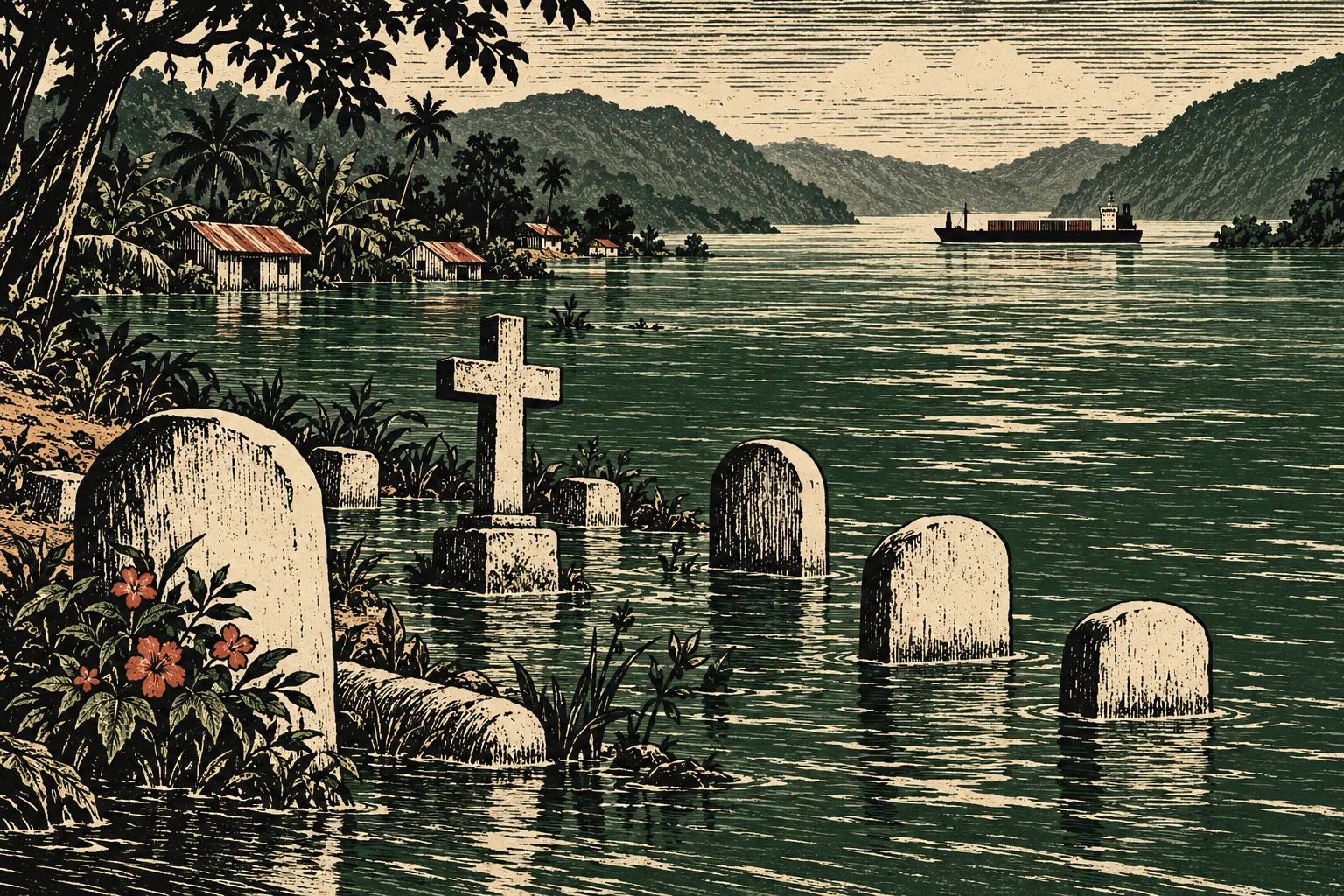
Maricel Sánchez, 27, who ferries people up and down the Indio by boat, buried her grandmother in the town cemetery 15 years ago. “I never imagined they would dare to interfere with something so sensitive to us as rural people,” she told CNN. “It is hard enough to endure the pain of losing a family member, but I feel that when they dig them up again, you re-live that pain all over again.”
The authority has said relocations of remains will be coordinated in advance with families, with respect for religious beliefs and emotional ties, and that it will cover the full cost, from coffins and urns to headstones at new sites. It has pledged funds for compensating and resettling families and says the finished reservoir will raise canal operations by 10 to 15 percent and supply water to nearby communities. Last year it called the project “a significant step towards canal sustainability, reliability, and competitiveness, for the benefit of all Panamanians and global trade.”
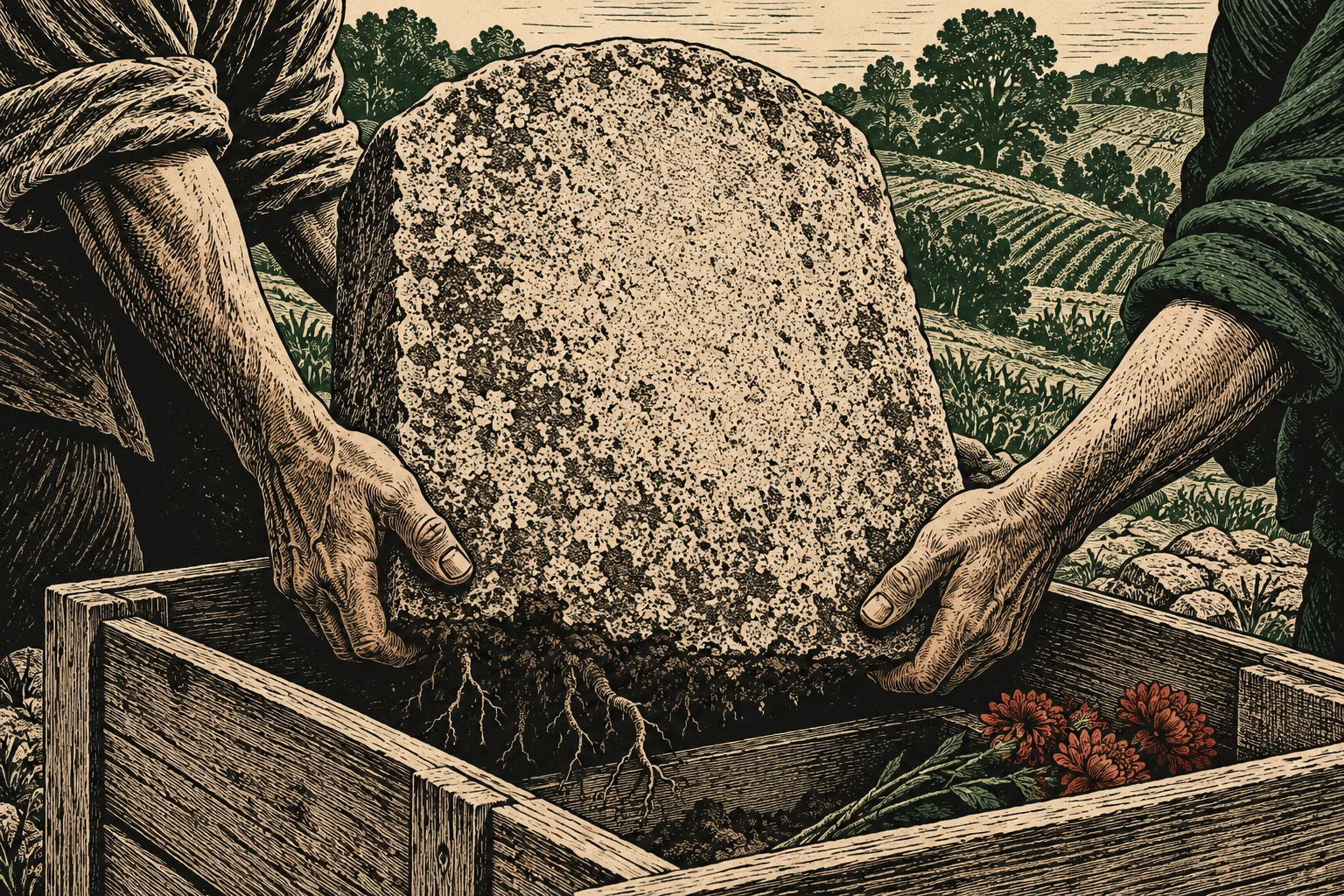
Many residents are not persuaded. Olegario Cedeño Rojas, 40, a farmer whose four grandparents lie in El Limón cemetery, said no payment could replace what he stands to lose. “The land is our life insurance — our only permanent, enduring asset of value and the sole source of livelihood for all of us farmers,” he told CNN.
Karina Vergara, the project’s socio-environmental manager, told CNN the resettlement areas would be nearby, with similar soil suited to farming. But she conceded the land had not yet been formally acquired, that negotiations with owners continued, and that some areas still needed roads. The first relocations, slated for sometime in 2027, would go where houses, schools and roads already exist; she gave no firm timeline, saying the authority was committed to “doing this process gradually and carefully, working with the people.”
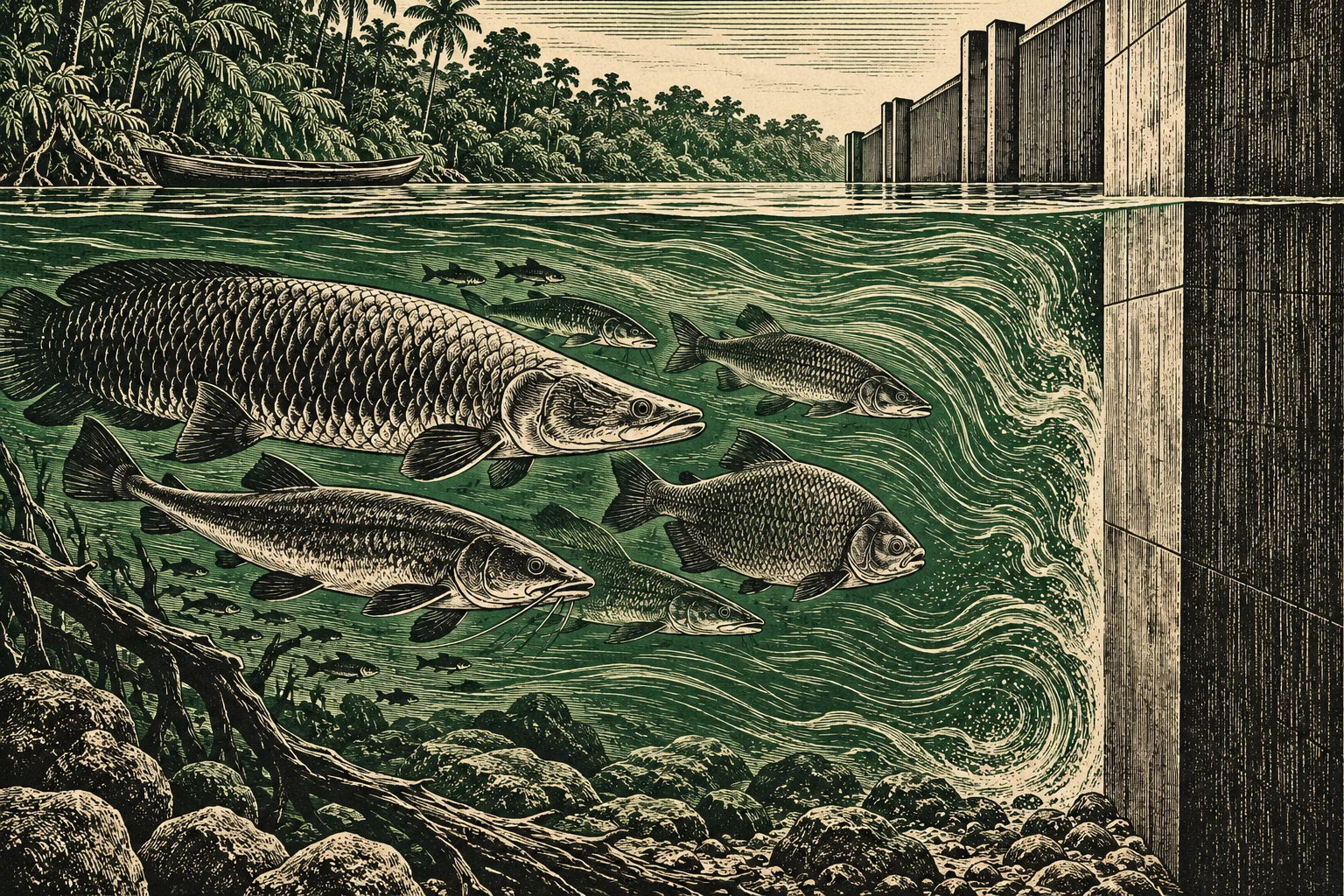
Outside observers say the schedule looks strained. “I would think that at this point they would at least have relocation sites and would start recreating farms,” said Osvaldo Jordan, chief executive of CREHO, a wetlands conservation group. LeRoy Poff, a biology professor and river ecology expert at Colorado State University, said the dam would block fish species migrating to reproduce, cutting into a source of food and income for river and downstream communities.
The weather record explains why Panama is pressing on. Steve Paton, who directs the Smithsonian Tropical Research Institute’s Physical Monitoring Program in Panama, said January to March of this year was the area’s wettest dry season on record, followed almost immediately by the driest April-to-July period ever measured — effects, he said, that were “almost certainly the result of El Niño making itself felt.”
Mass displacement for dams has a fraught history in the region. Brazil’s Belo Monte dam, inaugurated in 2016, displaced more than 40,000 people, and Colombia handed land to 94 families displaced by the El Quimbo dam only in 2024, years after construction began in 2011; campaigners estimate the number affected there reached into the hundreds or thousands. Panama has nonetheless deemed the reservoir a “top priority for national water security.”
For Ms. Sánchez, who said officials “make decisions about us as if we were mere objects,” the uncertainty has seeped into her home. Her 7-year-old daughter hears the talk and sees the visiting canal personnel. “Mom, are they really going to flood us with water?” she asks, according to her mother. “Where are we going to move?”