
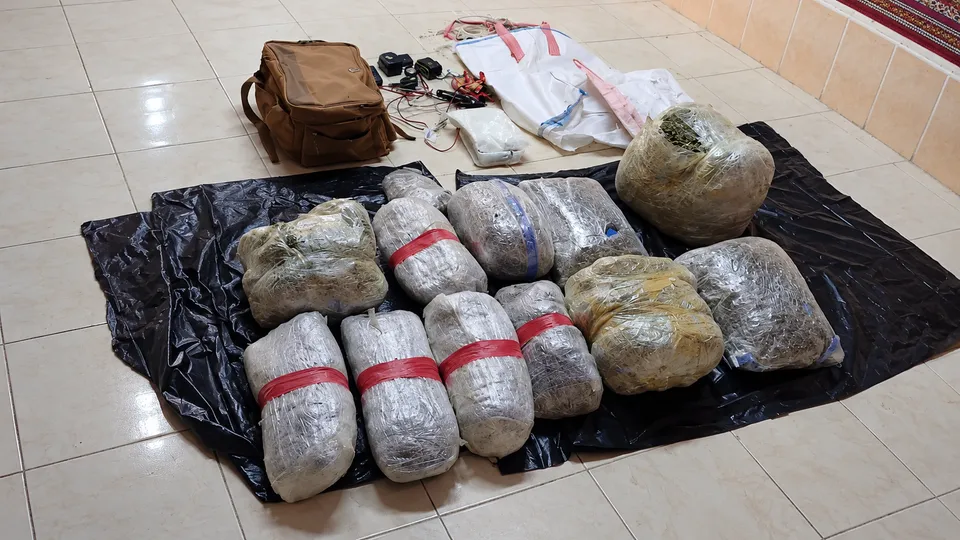
There are borders built to keep armies out and borders built to keep people in. The line between Jordan and Israel, running south through the dry trough of Wadi Araba toward the Red Sea, is one of the most heavily surveilled in the world. Towers, sensors, patrols. Very little is supposed to get across it, and yet more and more is coming over the top: quadcopters, and balloons filled with helium.
Their cargo is hashish, crystal meth and amphetamines. Behind them, as Mohammad Altarawneh reported for Al Jazeera from Amman, stand organised networks in Israel’s Negev Desert with ties to groups in Jordan and in Egypt’s Sinai Peninsula. In the kingdom, people are starting to fear that this frontier is becoming a main highway for narcotics.
The northern road
For years the danger came from the north. Parts of Bashar al-Assad’s regime were tied to the Captagon trade, and Jordan was both a corridor for the pills and a market for them. The Royal Jordanian Air Force struck smuggling sites inside Syria from time to time, a small state carrying its drug war into a neighbour’s territory. Then, in late 2024, Assad fell. Syria’s new rulers have called Captagon a national security matter, and trafficking from Syria has dropped. Not to zero: Druze militias in Suwayda, which are allegedly linked to Israel, stand accused of keeping the trade going.
The drug trade does not end when a regime falls. It finds another road.
“Reverse drug migration”
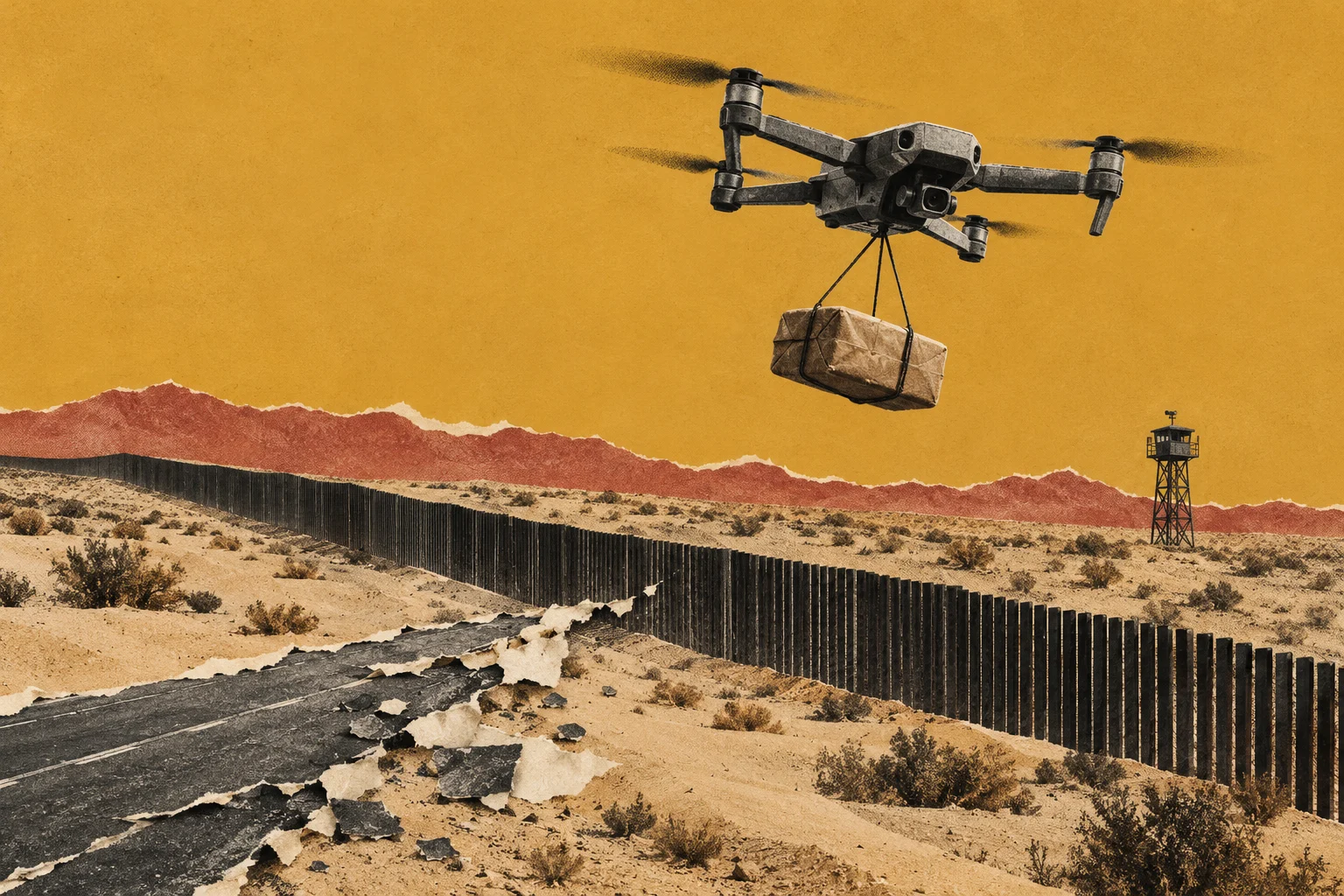
Retired Brigadier General Daifallah al-Daboubi calls the new road a “reverse drug migration”: it starts in Sinai, crosses the Negev and comes into the kingdom. The groups based in Beersheba and the Negev, he says, “possess great financial capabilities.” In his view Israel’s wars in Gaza, Lebanon and the Golan have left smugglers room to work. He does not accuse Israel’s political or military leadership of any direct role.
Ammar al-Qudah, a retired major general who now sits in Jordan’s Senate, goes further into the details. He says the Negev gangs have got hold of more than 1,000 drones that were first used for farming and security. He describes balloons fitted with GPS and drones that can lift about 50kg each. The main route, as he tells it, runs from Sinai through the Negev to Wadi Araba, with others passing through Lebanon and the Galilee toward Syria. Some of the goods are sold in Jordan. The rest goes on to other markets in the region.
The ledger
The numbers come from the ministries. In the first half of 2026 there were 17 drone-related interceptions on Jordan’s southwestern border with Israel. Across all of its borders over the same months, Jordanian forces counted 231 smuggling and infiltration attempts and brought down 56 drones. Interior Minister Mazen al-Faraya was blunt about it:
There is an increase in drug smuggling operations from Israel to Jordan using drones.
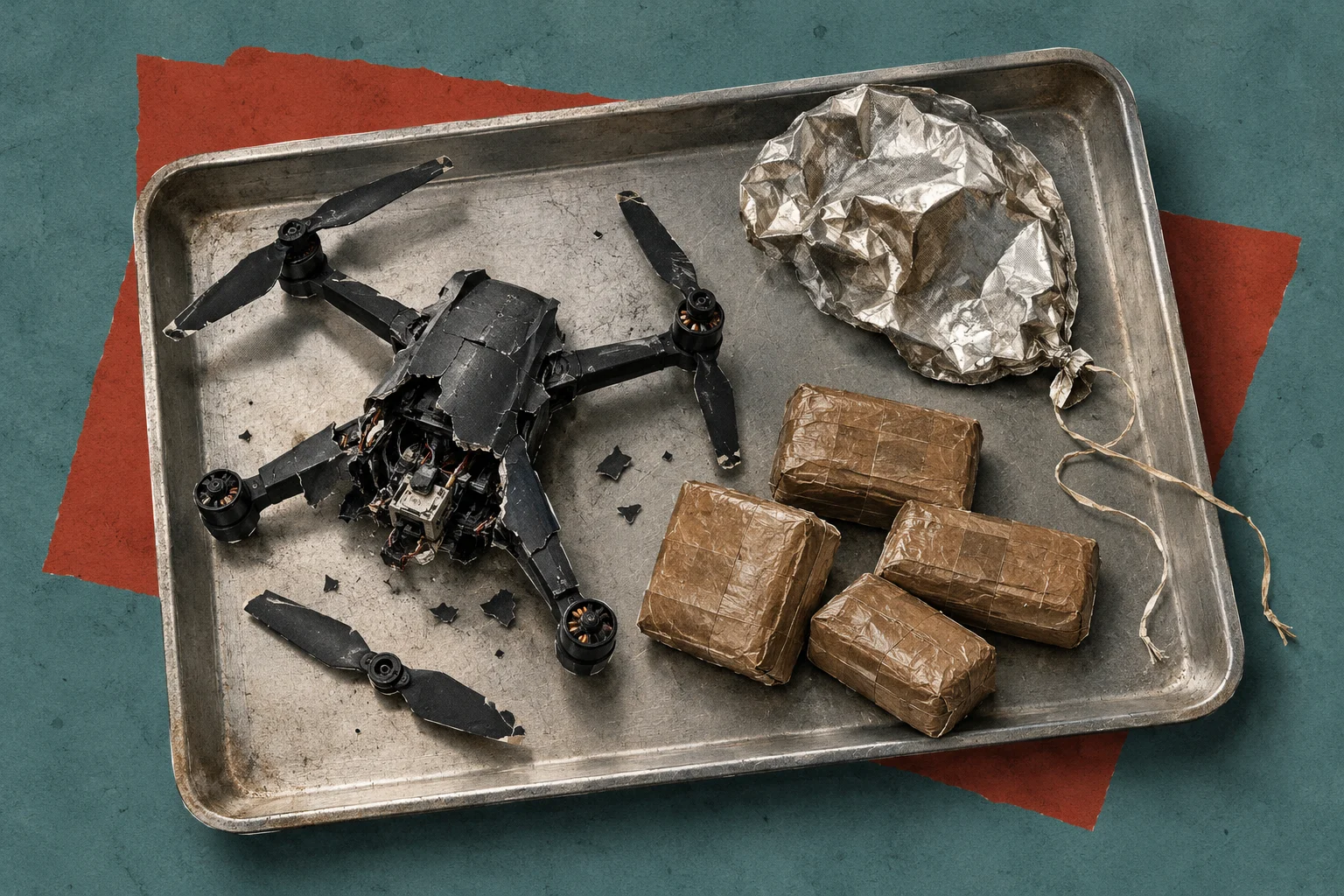
He put the number of drug cases seized this year at 15,342. About 28 percent involved trafficking and 72 percent involved use. The second figure gets less attention than drones do, but it shows where the cargo ends up.
Price explains why. The Telegraph, in a report republished by Israel Hayom, estimated that a kilogram of hashish sells for about £7,500 in Jordan, and Israeli security services believe the drug costs about 15 times more there than in Israel. The balloons are not limited to one border either. In July, The National reported that Jordan had stopped two attempts to smuggle drugs with electronically directed balloons. According to the Jordan Times summary of the Telegraph’s findings, the kingdom has stepped up patrols and upgraded its surveillance towers and drones. Remote-controlled smuggling and the efforts to stop it have been growing on other frontiers too, along the US border with Mexico among them.
Who is watching whom
Jordanian security forces accuse the Israeli army of not taking the problem seriously. They have something to point to. A West Point report says traffickers working the route toward Egypt have recruited Israeli military trackers in the Negev, and in 2012 Israeli personnel were arrested for allegedly helping smugglers on the Egyptian border. Nobody has shown that the same thing is happening on the Jordanian side. Some reports tie the drug activity to poor Palestinian communities inside Israel, and critics accuse the Israeli state of tolerating crime in those towns.
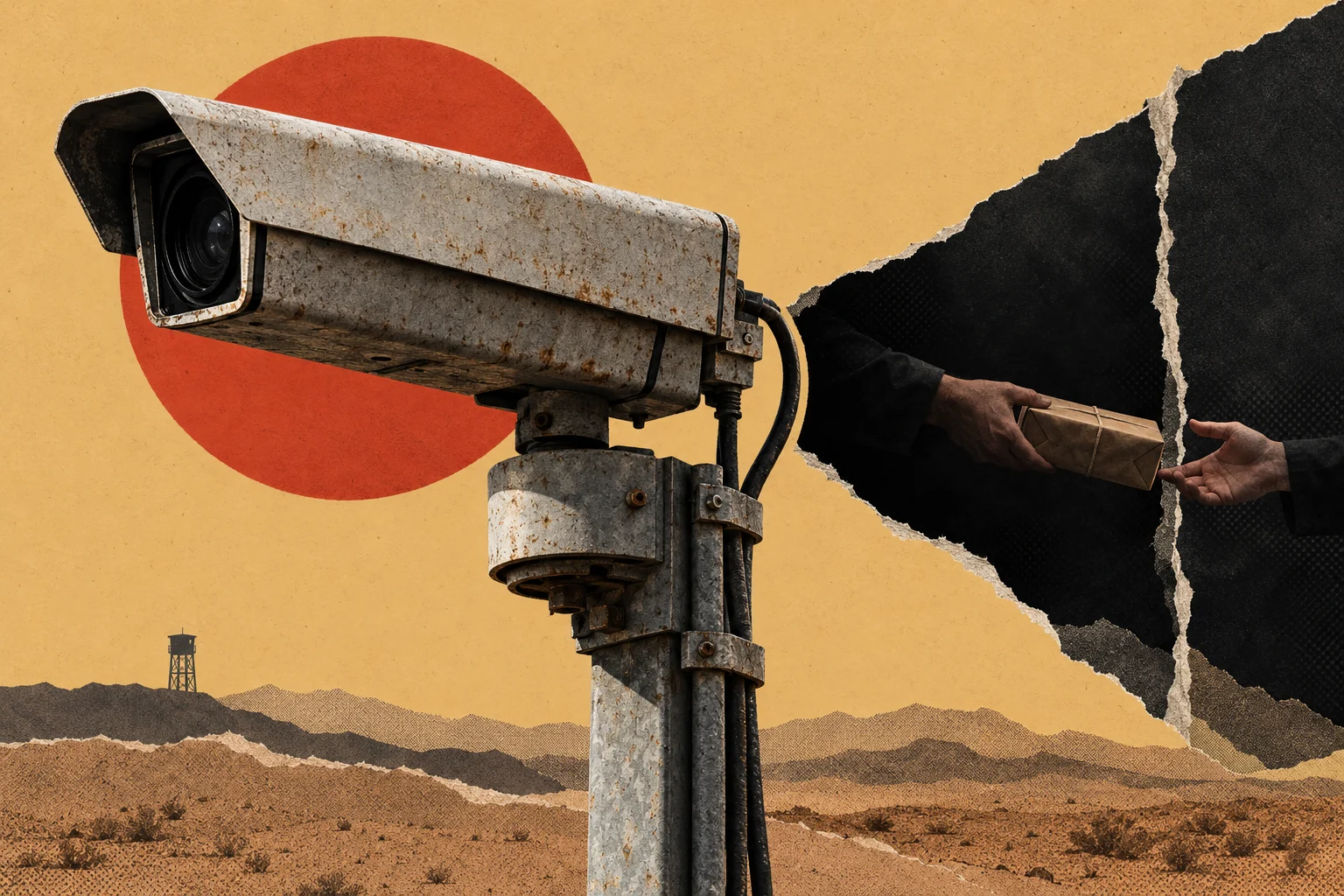
Then there is the matter of which seizures get announced. Israel’s army and police regularly publicise weapons caught coming in from Jordan. Last month they said they had seized a drone carrying nine Kalashnikov rifles. According to the Telegraph, Jordan’s commanders see these “selective” announcements as painting the kingdom as a lawless neighbour while crime on the Israeli side goes unmentioned.
A reflection, offered as no more than that: a state tends to describe its border by what it fears coming in, and seldom by what leaves it.
Israel’s answer has been to build. Its 96th Division began operating in the Jordan Valley in 2025, and a security barrier is under construction. On the Israeli account, the eastern frontier is being strengthened. On the Jordanian account, these measures seem designed to stop rifles coming west, not hashish going east.
So the fence goes up, the drones fly over it, and in Amman the interior minister keeps a tally of 15,342 cases, most of them ordinary Jordanians who bought something that came across in the night.