
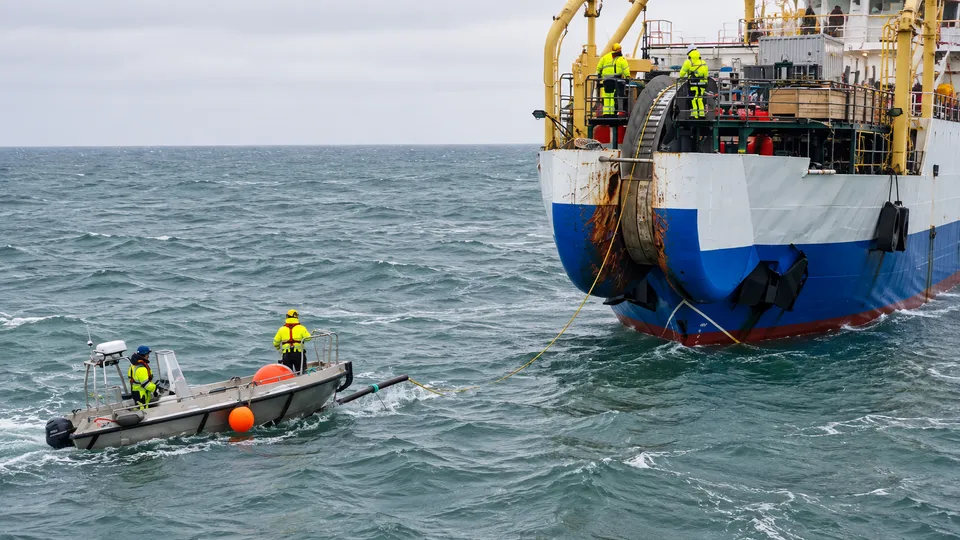
The satellites pass overhead and make their promises, but the world’s conversation still travels by sea. Most of the planet’s internet traffic moves through fibre-optic cables lying on the ocean floor, where they share the dark with oil and gas pipelines and submarine power lines — the whole hidden plumbing by which continents speak to one another. That plumbing now sits in harm’s way, as gray-zone warfare and open conflict spread, as Jeremy Hsu writes in Ars Technica in an interview with Elisabeth Braw.
Braw is a senior fellow at the Atlantic Council, where she leads the Threats to the Global Maritime Order Initiative; her new book, Undersea War, traces the rise of suspicious incidents in which ships drag their anchors for oddly long distances and emerge having cut a cable or a pipeline, from the Baltic Sea to the Pacific.
Some perspective, first. About 60 percent of undersea cable damage is plain human error — weighted fishing nets, dragging anchors — with storms and undersea landslides accounting for a smaller share. Between 150 and 200 cables are damaged each year, and most are repaired quickly. The sea has always bitten. What has changed is the suspicion that some of the biting is deliberate.
The Christmas Day massacre
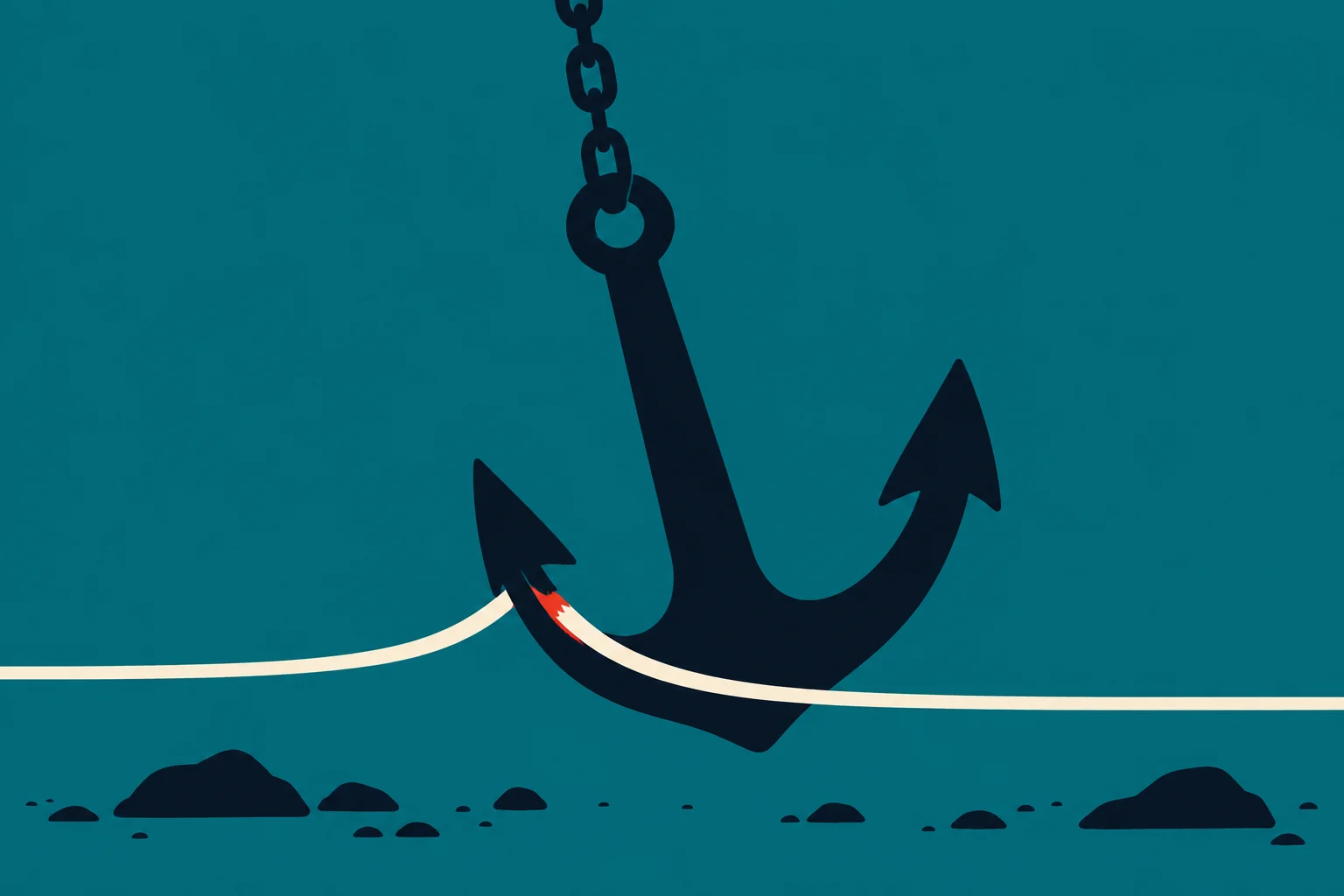
Consider the winter of 2024 in the Baltic. In November, the Chinese cargo ship Yi Peng 3 damaged two data cables; its crew was never prosecuted. Then on Christmas Day, the Russian-linked oil tanker Eagle S dragged its anchor across the seabed for some 56 miles — about 90 kilometres — cutting or damaging four data cables and the Estlink 2 power cable connecting the Baltic and Nordic grids. Finland has tried to prosecute three senior officers. An anchor is not a subtle instrument; 90 kilometres is not an oversight.
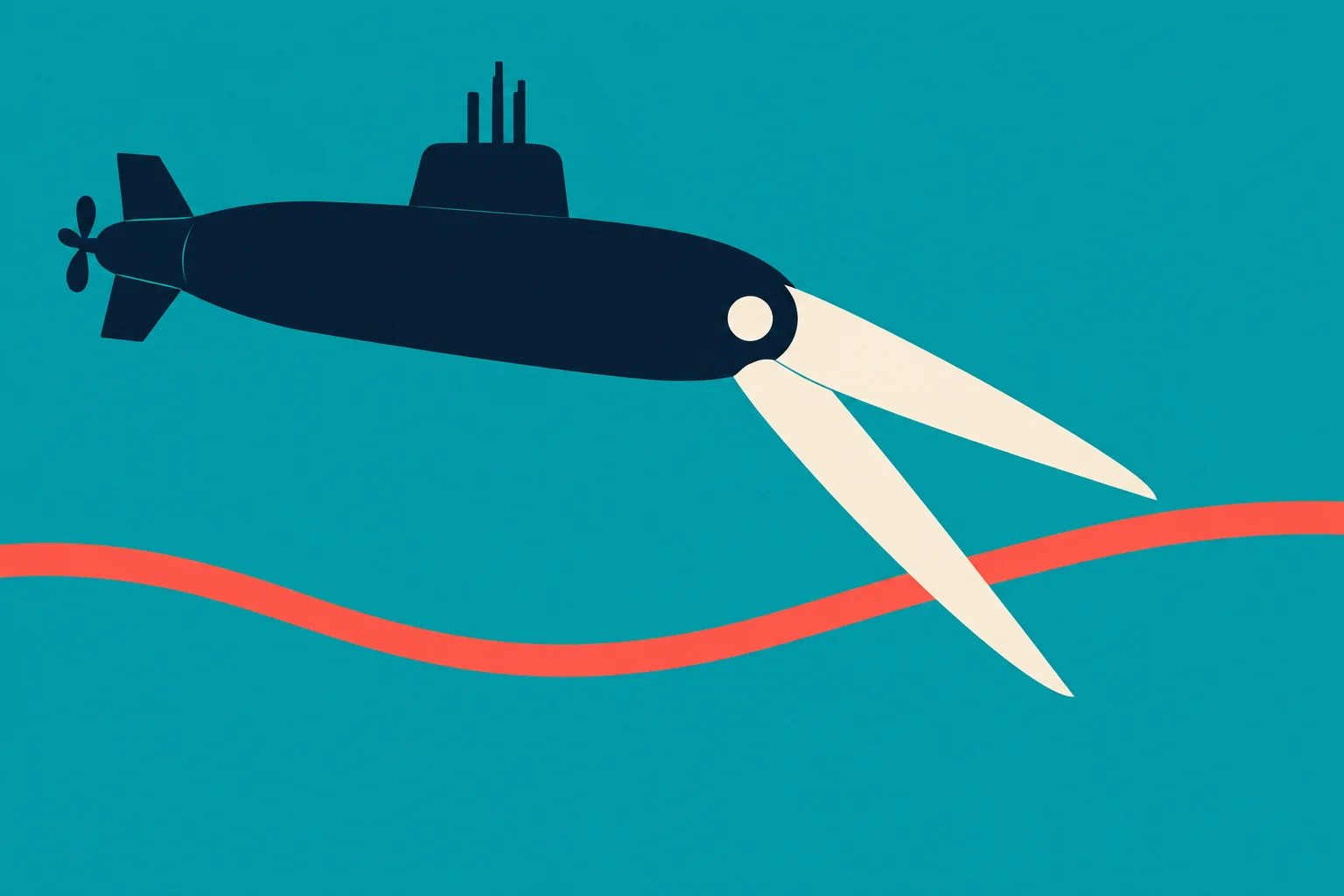
Across the world the same pattern surfaced. In February 2025 the Chinese-owned Hong Tai severed a telecommunications cable off Taiwan; its captain was convicted and sentenced to three years in prison in June 2025, and the island’s legislature later raised the maximum penalty for intentional cable or pipeline damage to seven. This year brought new shapes of pressure: Iranian efforts to impose fees on cable operators passing through the contested Strait of Hormuz, and a joint operation by Britain, Norway and the United States that confronted Russian submarines practising a new technology for disabling cables in Arctic waters near Norway’s Svalbard archipelago.
The good seabed citizen
What is breaking, in Braw’s telling, is not the cable but the custom. For decades — even through the Cold War — an unwritten accord held: the seabed was everyone’s, and everyone behaved. “It worked for so long, and that’s why it’s so frightening to see that system that really depends on everybody doing the right thing and being a good seabed citizen, as it were, may not work for that much longer,” she said. The United Nations Convention on the Law of the Sea was adopted in 1982, at the height of the Cold War; even enemies then believed a treaty signed was a treaty kept. That commitment among key countries, Braw said, is now — not vanishing, but declining.
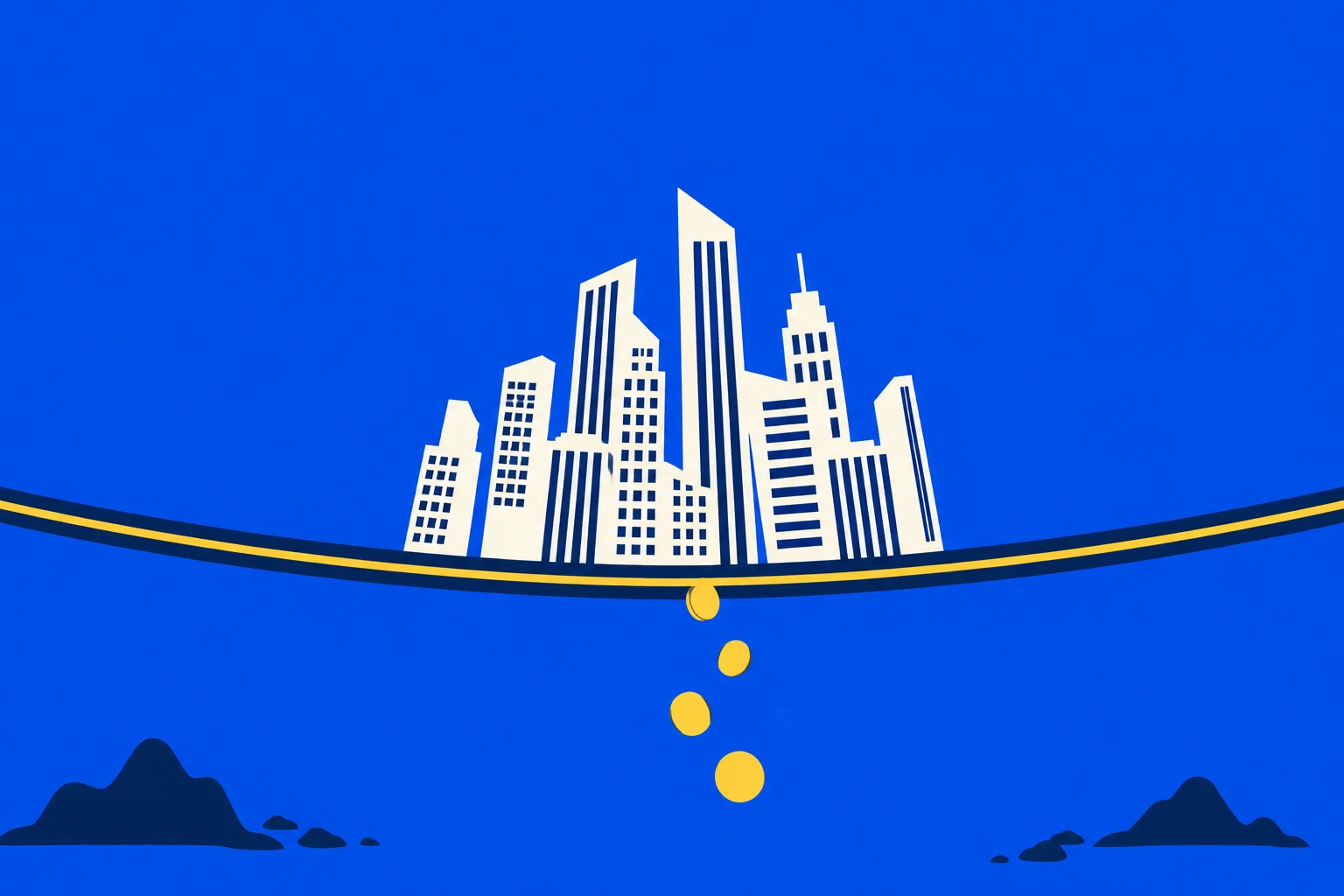
The stakes have grown with the traffic. Cold War cables carried telegrams and the occasional phone call; nobody sent telegrams around the clock. Today, if the cables were disrupted “for even just a minute,” Braw noted, it would mean massive disruption not only to New York City but to New York as a financial hub — the loss of the money that flows through those fibres every second of every day. And the attraction of the target has a tutor: “Russia has discovered that it’s really quite beneficial to use non-military means to weaken other countries,” she said — a craft others may yet learn, as rews has reported amid NATO’s wider struggle with a Russian sabotage campaign.
The cables lie in international waters, in the global commons, where no country holds jurisdiction. And lately, Braw observed, merchant vessels in the Baltic, off Norway and in Taiwanese waters have grown “extremely sloppy,” dragging anchors for long stretches — something any seafarer knows better than to do, since you know when your anchor drags and you know where the cables are. It happened not once, not twice, but several times. “We don’t know what has caused these merchant vessels to drag their anchors... and we may never know because it’s not like those crew members are going to tell us what happened.”
Meanwhile the watchers arrive. Russian research vessels loiter over cables — “What are they doing there? What is it that they are looking at? What is it they are measuring?” — while China sends research ships into other countries’ waters for long periods without the customary notice of what they are investigating. Submarine fleets, Western and Russian and Chinese, are expanding, and with them the underwater drones and gadgets that make the deep sea a busier, less innocent place.
There is an old arrangement by which mankind treated the ocean floor the way villagers treat a common pasture: it survives because no one challenges it. The pasture, Braw’s book warns, is now being fenced, mined and watched. What happens when the world’s invisible backbone is no longer protected by near-universal agreement is a question the Cold War, for all its dangers, never had to ask.