
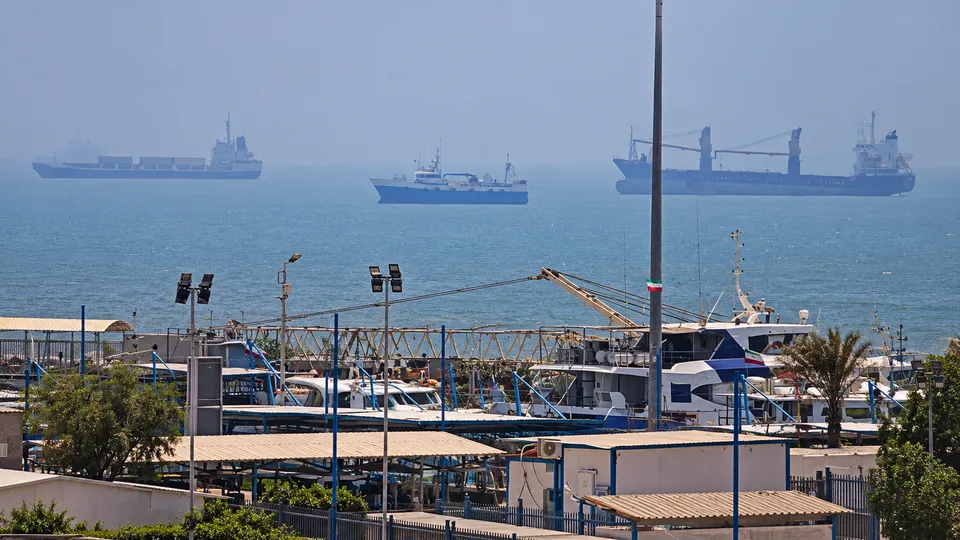
The oil market has a message for everyone, and the message costs $110.85 a barrel. That is where Brent crude, the international benchmark, settled on Wednesday after rising more than $2 in a day — near a five-month peak, according to Al Jazeera’s report. The reasons are not mysterious. Attacks on tankers in and around the Strait of Hormuz are mounting, and efforts to end the US-Israel war on Iran are deadlocked. If you wanted the market to shrug at this news, you would want at least one of those sentences to be untrue.
This has been building for a few weeks. Earlier this month, CNN reported what it described as record tanker attacks in the waterway, sending Brent up more than 5 percent at one point to $105 a barrel. There had been a hopeful interlude: as the Financial Times noted, transit through the strait had recovered to nearly 90 percent of prewar levels last month. It has since fallen sharply. So the picture is not simply “tankers stopped”; it is “tankers dared, then re-thought.”
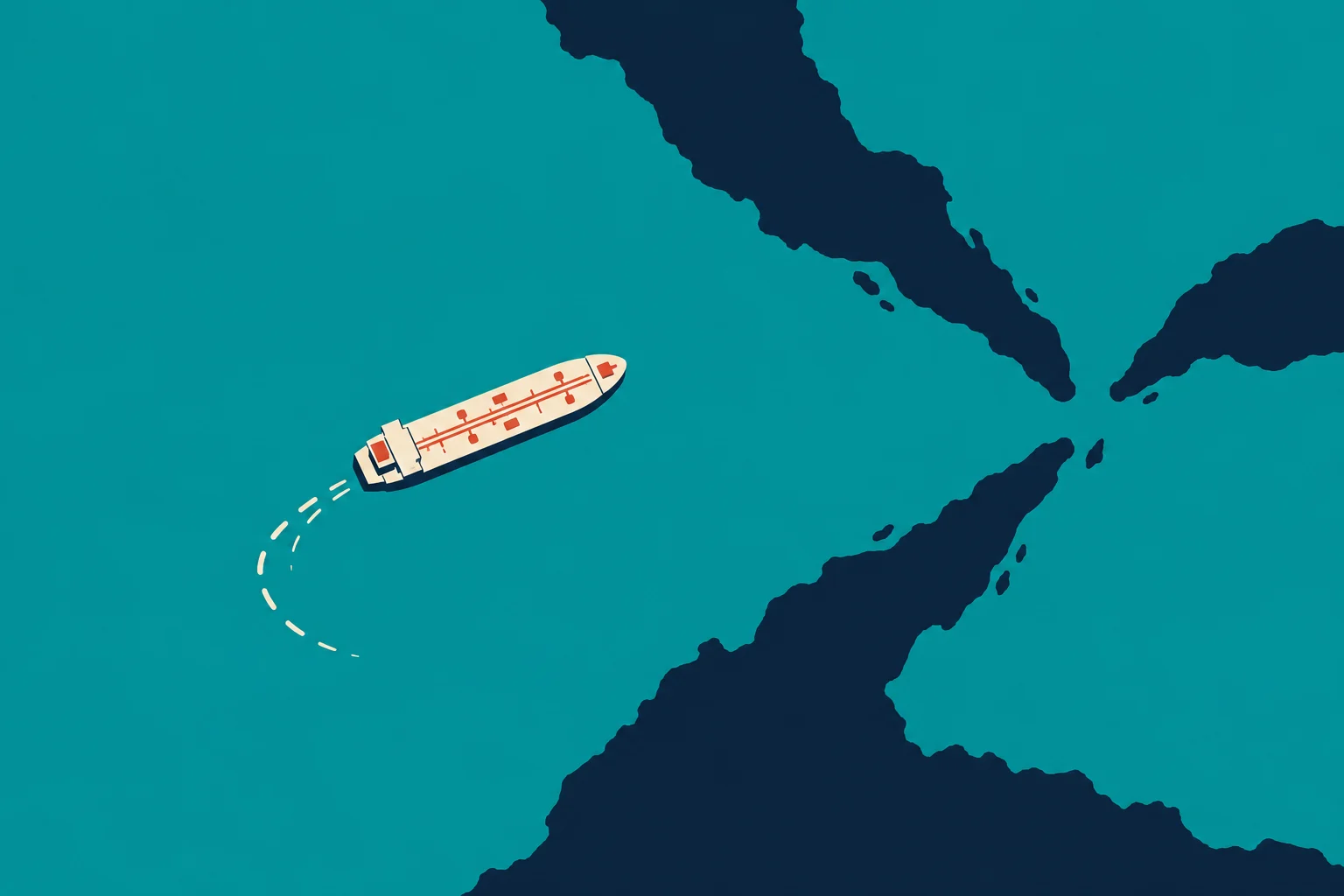
It is worth being clear about what a price like $110.85 actually measures, because nothing has literally run out. If the world were out of oil, oil would be considerably more than $110.85. What the price is doing is charging insurance. Every barrel that has to come through a strait where ships keep getting attacked costs more to move — more for the freight, more for the underwriting, more for the crew’s willingness to go — and every barrel that might get stuck commands a premium today in case tomorrow is worse. Oil prices in a shipping crisis are less a thermometer of scarcity than a probability distribution of bad news, denominated in dollars a barrel.
The unpleasant part of Al Jazeera’s report is what stands behind the premium, or rather what does not. Emergency oil stocks around the world are at multidecade lows, the report says, which leaves only a month or two of cushion if the Strait of Hormuz shuts again. A month or two. The strategic reserves that consuming countries built precisely for this scenario — for the day the most important chokepoint in seaborne energy stops working — have already been drawn down to levels where their answer to the question “how long can you cope?” is “it depends what you mean by cope.”
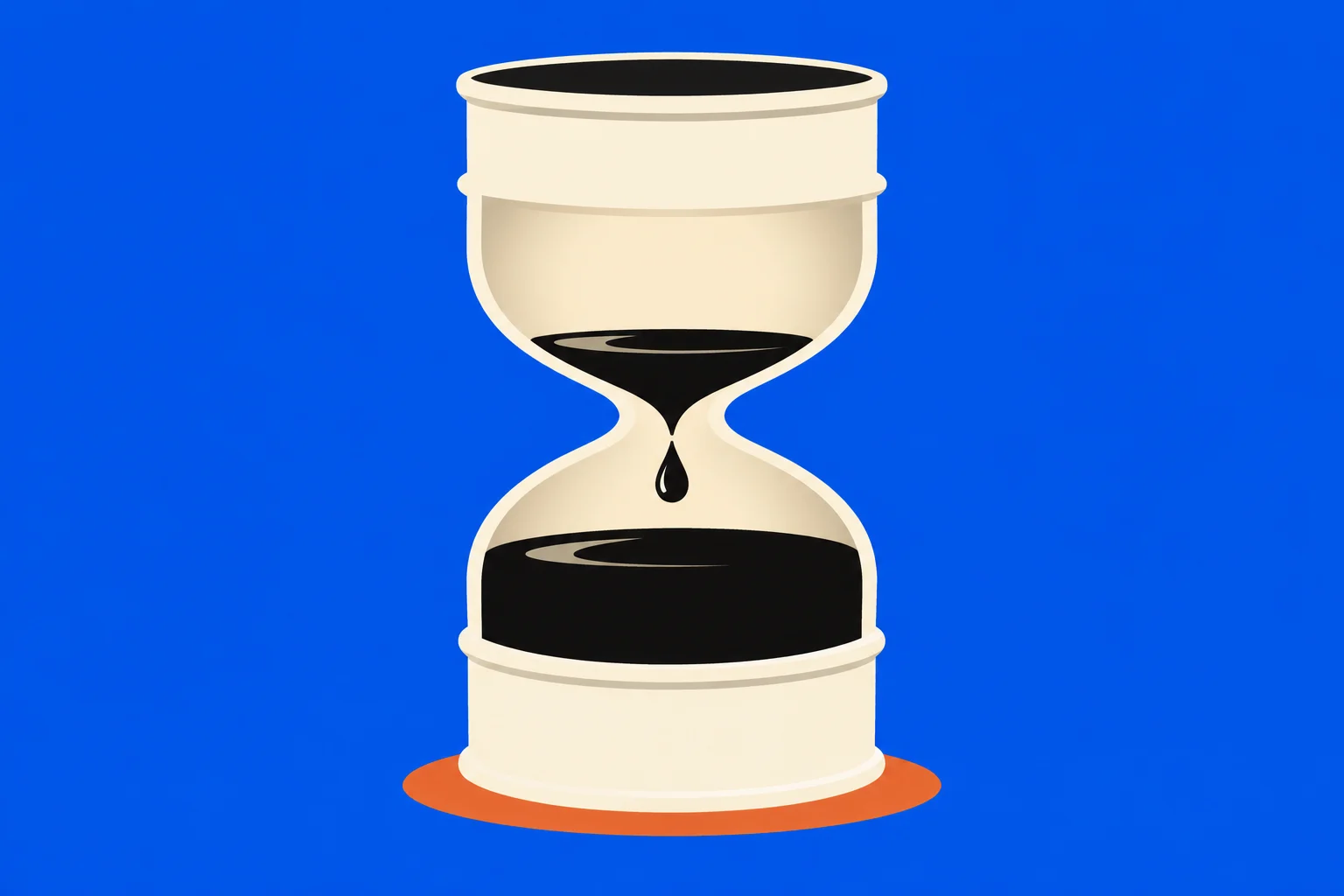
So run the arithmetic the way a spreadsheet would. The strait reopens and stays open: the risk premium comes out of the price, everyone complains about petrol costs for a quarter, and the reserves get refilled, ideally, at lower prices. The strait closes: the buffer is counted in weeks, and the bargaining table starts to matter more than the trading desk, because the people who control the strait hold the calendar and the people who need the oil hold, per the report, roughly one to two months of it. A reserve is not a solution; it is a deadline. Its only real function is to tell you how long you have to solve the problem some other way.
One way to read $110.85, then, is as the market’s polite version of a raised eyebrow. It is not pricing in catastrophe — catastrophe would be a much larger number — it is pricing in a world where the peace talks are stuck, the tankers keep getting hit, and everyone’s rainy-day fund has a conspicuously shallow pool left at the bottom. The traders seem reasonably confident that somebody, somewhere, will make a deal before the deadline arrives. One would hate for their confidence to be tested by arithmetic.