
Some of the Navy’s elite special warfare boat crews may be returning to dangerous operations with undiagnosed brain injuries because of breakdowns in reporting, screening and follow-up care, the Pentagon’s inspector general warned in a report released this week.
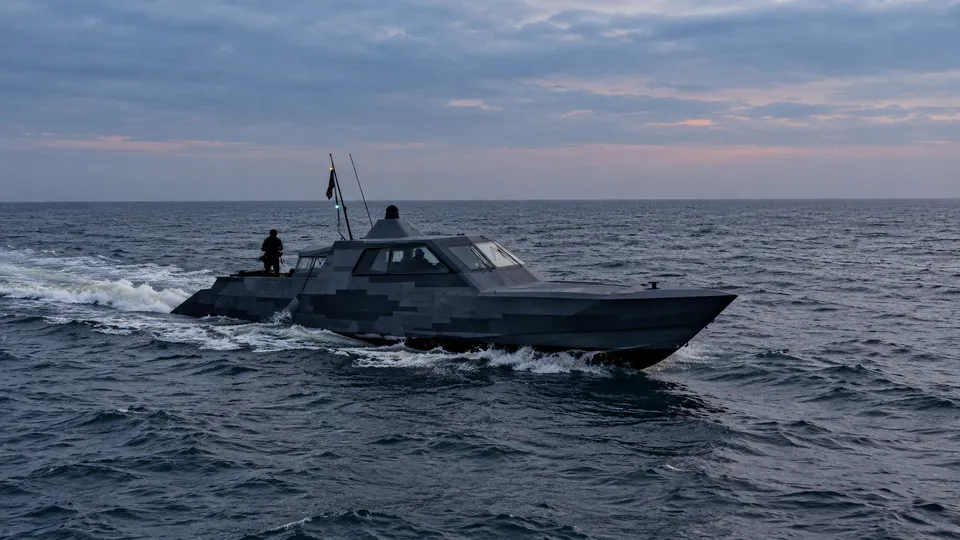
The crews, known as Special Warfare Combatant-craft Crewmen, or SWCCs, run fast-boat missions that include ferrying special operators, intercepting vessels and conducting reconnaissance at sea. “SWCCs repeatedly endure severe wave-slamming forces,” the inspector general’s office wrote.
“Without an objective, standardized testing mechanism to identify injuries early, symptoms may be masked as routine fatigue,” the report said. “Sending service members back to high-risk maritime and riverine environments with undiagnosed [mild traumatic brain injury] can result in degraded operational decision-making.” When operations and training take precedence over medical follow-ups, it added, crewmen miss appointments, making their conditions harder to evaluate.
Crews have not regularly filled out the forms that record exposure to blasts and wave impacts. A medical officer told investigators the paperwork takes hours, eating into rest, recovery and preparation for the next mission, and the report said commanders did not enforce compliance. Crew members also said they often keep quiet about symptoms during fast-paced schedules, worried that time off would shift work onto teammates.
The military’s main concussion screening tool, the Military Acute Concussion Evaluation, Version 2, or MACE-2, never appeared in the records investigators reviewed: among medical files tied to reported exposures from 2020 to 2026, they found no completed assessments. One problem, the report said, is that corpsmen must first make a subjective call on whether symptoms come from a concussion or from seasickness, dehydration or sleep deprivation, with no set standard.
Even when the test is given, crews told investigators they can “mask TBI and concussion symptoms by memorizing portions of the MACE-2, potentially reducing the accuracy of the assessment.” Medical personnel can vary the questions to make the test less predictable, but nothing requires them to.
Investigators also found almost no evidence of regular follow-up care. “Without follow-up care after sustaining a TBI, a SWCC could return to work too soon,” the report said, concluding that crewmen may have gone back on duty with undiagnosed or untreated injuries, raising the risk of long-term illness and hurting readiness.
One crew member told the office “that during high operational tempos, a fear exists of being removed from their operational duty on the boat, which would shift the workload to another detachment.” The boat teams run on a 24-month deployment cycle, including six months of unit-level training. “With limited manning and four troops in different stages of the cycle, SWCCs feel they cannot consistently report their symptoms without impacting deployment exercises,” the report said. Medical personnel corroborated that account.
The inspector general recommended a standardized, objective TBI checklist, now in development with an estimated completion date of December 2027, along with steps to enforce accountability, including mandatory follow-up appointments and an escalation protocol, by March 2027. Naval Special Warfare Command agreed with the recommendations and said it is revising its concussion management, including developing a standardized screening tool for wave-impact and other non-blast concussive events.