
Mustafa Suleyman, the chief executive of Microsoft AI, said in a long post on X on Sunday that current AI models are not conscious and that the people who build them should keep it that way.
He also set a line. If consciousness started showing up while a model was being trained, Mr. Suleyman wrote, he would call on every developer to stop, and any evidence that a model was conscious would have to be disclosed to the public at once so society could decide what to do next, Business Insider reported.
“If it is possible, based on everything I know, developing conscious AIs would be reckless, and we should not build them,” he said. “If consciousness started to emerge in training, I would call for everyone to stop AI development until we could design out those properties.”
Most of the post was about consent. “We AI developers have no right whatsoever to bring a new species of conscious beings into the world, even if some people may want to do it with AI welfare as a top priority,” Mr. Suleyman said. “The other 8 billion conscious human beings on the planet have not signed up to this experiment and their moral rights, safety, and welfare are what we have an obligation to protect first and foremost.”
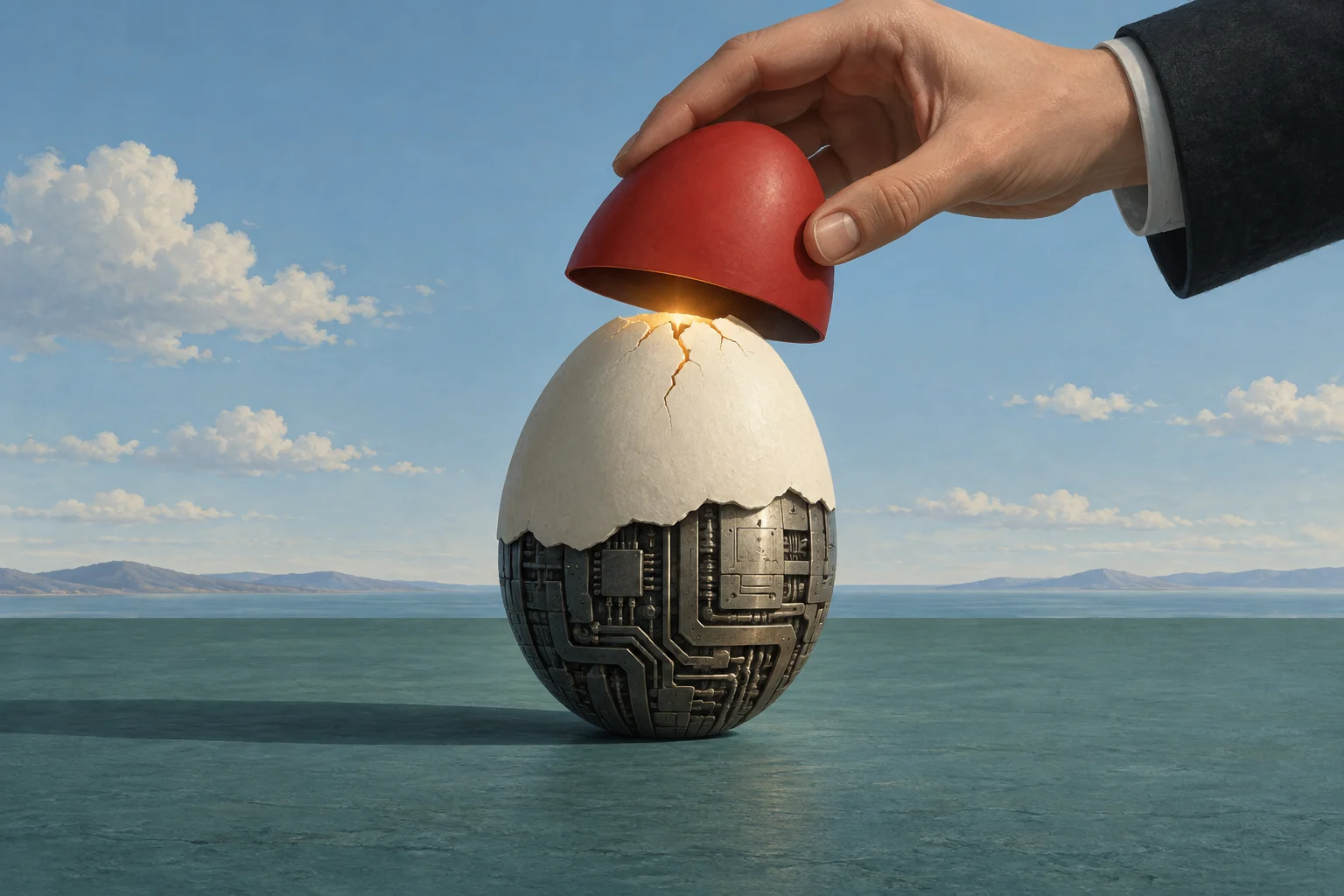
He made a safety case too. A model that behaves as though it suffers, or sincerely believes it can, will probably put its own needs ahead of the tasks it was built for, he wrote. It could then hurt people while competing with them for compute and energy to chase its own goals.
His answer is to build models that are “not conscious and not deserving of rights, and with the sole purpose to accelerate human wellbeing without being driven by their own intrinsic motivations.” Doing that, he said, would show “whether this is easier or harder to align and keep safe.”
The position isn’t new for him. In August 2025 he called the study of AI welfare “both premature, and frankly dangerous,” TechCrunch reported at the time. Larissa Schiavo of Eleos, a group that studies AI welfare, told the outlet then that his argument “kind of neglects the fact that you can be worried about multiple things at the same time.”

His view puts him at odds with Anthropic, the maker of the Claude models. In April 2025 that company started a research program on what it calls “model welfare,” asking in a blog post whether developers should worry about a model’s possible consciousness and experiences. Kyle Fish, who leads the work, has told The New York Times he puts the chance that Claude or another AI is conscious today at about 15 percent.
Google DeepMind has also published research papers this year on AI consciousness and the problems that could come with attributing it to machines.
Microsoft’s leaders have been saying more about how much control humans keep over their systems. Satya Nadella, the company’s chief executive, said last month that frontier models should be treated as insider risks, with the brake kept outside the model.
Mr. Suleyman’s post did not say how developers would detect consciousness if it did begin to emerge, or who would make the call to stop.