
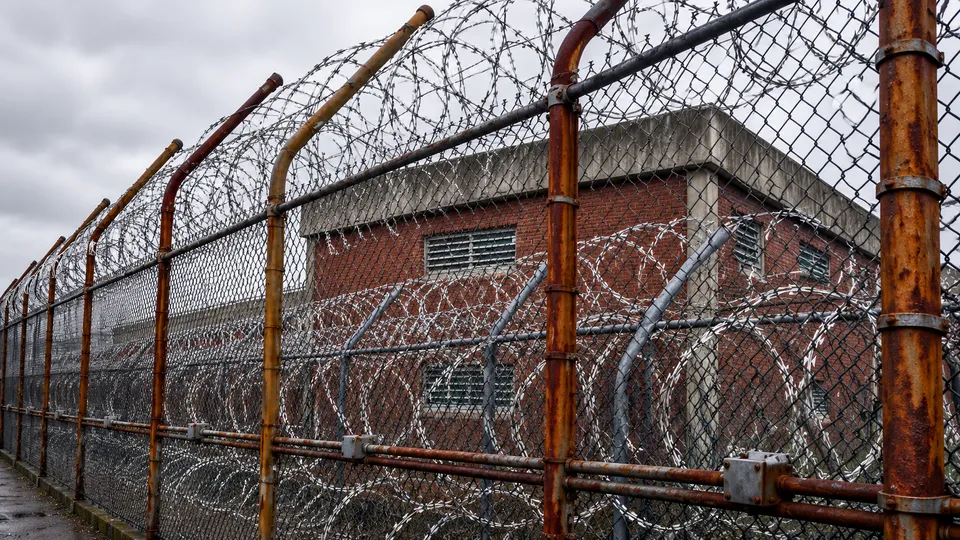
New York already has a law requiring Rikers Island to close by August 2027. What it does not yet have is somewhere else to put everyone, or a jail population small enough to fit. Mayor Zohran Mamdani’s plan, released Friday, moves the finish line to December 2032. The first replacement jail opens in Brooklyn in 2029, followed by Queens and the Bronx in 2031 and Manhattan in 2032. Missing the old deadline is therefore not an unfortunate surprise discovered late in the project. It is the premise of the schedule.
The numbers explain why. As EL PAÍS reports, each borough jail will have 1,040 beds: 4,160 altogether. Another 340 hospital beds for people with mental health needs would bring the new total to 4,500. About 6,600 people are now held on Rikers, after the population topped 7,000 last year. Mamdani wants it down to approximately 4,100. That means roughly 2,500 fewer people, a 38% reduction, before the new system works as drawn.

So the important construction project may be the court system. Eighty-five percent of Rikers detainees are awaiting trial, and roughly 60% of that group are detained because they cannot afford bail. Nor is this simply a matter of too many people arriving: city data show 56% fewer people were sent to Rikers pretrial in 2025 than in 2017, but the jail population was only 22% smaller. Cases were taking longer to resolve. The average stay for everyone leaving jail rose from 63 days in 2017 to 102 days in 2025. A jail can have a much smaller entrance and still fill up if nobody can find the exit.
The administration accordingly wants easier bail payment, faster admission to alternatives-to-incarceration programs and a task force to attack court delays. It also promises quicker exchanges of evidence between agencies. “We do not want any New Yorker to spend a day longer in detention than necessary,” Mamdani said, as CBS New York reported. Speeding cases along serves two populations at once: defendants waiting for resolution and victims waiting for justice.
The plan includes $146 million in new investments next fiscal year. Two portions described Friday are $50 million for job training, education, mental health counseling and substance-use treatment, and $76 million for community programs and supervision intended to keep more defendants out of jail before trial. That is $126 million accounted for; the wider package also covers mental health care and services for crime victims. The wager is that treatment, supervision and functioning courts will be cheaper and more humane than warehousing people for months because their cases have stalled.
Correction Commissioner Stanley Richards, the first formerly incarcerated person to lead the department, was himself jailed on Rikers. “At Rikers, out of sight, out of mind is the norm for both people in our custody and our staff,” he said. He warned that unnecessary pretrial detention can “increase the likelihood of eviction, job loss, and ultimately, rearrest in the future, while case delay harms victims calling for justice.” Mamdani also promises stronger investigations and discipline for officer misconduct, so that the smaller jails do not simply reproduce the old one in four convenient locations.
The case for doing something drastic is grim. Rikers opened in 1932 on an East River island between the Bronx and Queens, and has been described by inmates, staff and human-rights organizations as “hell on Earth.” Reports and lawsuits have documented sexual assaults, prolonged solitary confinement described as “torture,” inadequate medical care and psychological abuse. The complex remains under federal oversight amid concerns about excessive force and inadequate care. Mamdani says assaults occur at eight times the rate of comparable jails and custody lasts nearly four times the national average. Fifteen people died there in 2021. EL PAÍS reports five deaths at Rikers in 2026, while CNN, citing the Vera Institute of Justice’s tracker, reports at least nine deaths in Department of Correction custody this year; those counts are described differently.

Kalief Browder became the national example of what prolonged detention can do. Accused of stealing a backpack, the Bronx teenager spent three years in pretrial detention, approximately two of them in solitary confinement, before prosecutors dropped the charges. He died by suicide in 2015 at 22. The plan’s emphasis on case delays is not an abstract administrative preference.
Geography matters too. Hearings can require hours of travel from the island, while families and lawyers face long visits. The borough jails are meant to sit closer to courthouses, public transportation and detainees’ communities. The city says smaller housing units, individual cells, clearer sightlines, programming areas and outdoor space will improve conditions for staff as well as detainees. Each jail is also supposed to include at least 20,000 square feet of community space for uses such as youth programs, senior services and small-business support.
The administration has taken some interim steps: closing the North Infirmary Command on Rikers, opening 104 therapeutic beds at Bellevue Hospital, restarting a supportive-housing project in the Bronx and appointing an official to oversee closure. One Rikers facility closed earlier this year, but the rest remains open. The new jails are behind schedule, and the population is moving in the wrong direction for the blueprint.
Then there is the law. The 2019 closure plan came from former Mayor Bill de Blasio; Mamdani blames the revised timetable on the pandemic and “delays and de-prioritization” under Eric Adams. Whatever the cause, the mayor cannot simply declare August 2027 to be December 2032. The City Council must pass legislation extending the deadline, and the mayor’s office says a bill is coming. Expect negotiations, local opposition to the borough jails and resistance from the correction officers’ union, which has consistently argued for keeping Rikers open.
A closure date is a line in legislation. A 38% population reduction is thousands of bail decisions, court appearances, treatment placements and completed cases. Rikers gets its ceremonial ending only if New York manages the second arithmetic first.