
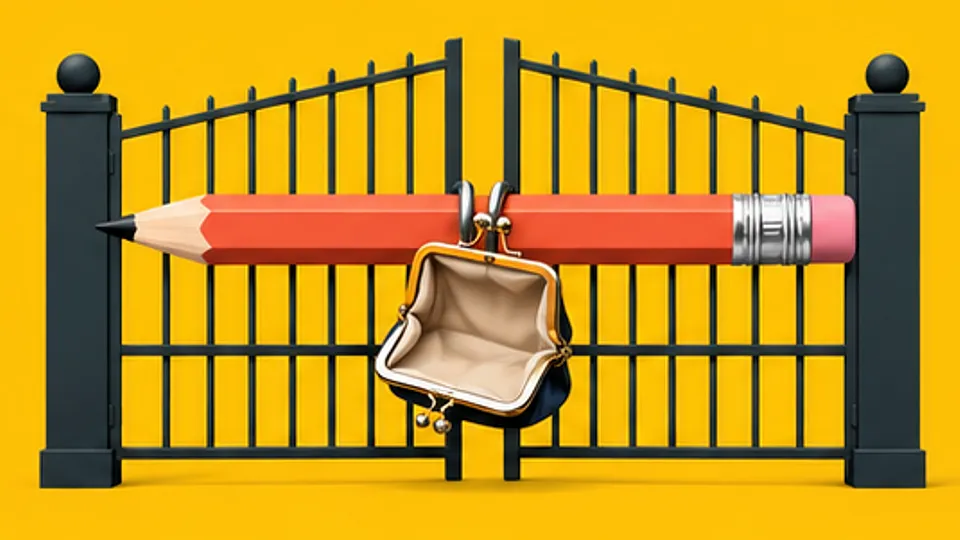
Here is one way to run a school system: the school year is scheduled to start on September 13, the teachers show up, and instead of opening their classrooms they set up chairs outside and decline to teach. That is what happened in Libya, where protests over salaries began on the very day the academic year was due to begin — sit-ins outside schools and government buildings in the capital, Tripoli — and have since escalated into an open-ended strike at public schools across the country. The school year, in other words, is on hold until further notice, and the teachers are the ones choosing not to notice it.
The strike is the work of the teachers’ union, which is demanding not just better pay but, as Al Jazeera reported, major reforms to the education sector. And the leverage is spreading: other unions are now threatening to take action of their own, which is how a labor dispute in one ministry becomes a question about the government generally.
Some context on what the pay question actually is. The union’s spokesman, Ashraf Abu Rawi, has said a public school teacher’s monthly salary runs from about 1,000 to 2,500 Libyan dinars — roughly $155 to $390 — which is not a wage so much as a statement about priorities. AFP has reported that the strike is uniting educators across an oil-rich but politically divided country, where teachers rank among the lowest-paid public employees. Reuters has described the work stoppage as bringing fresh upheaval to Libyans as the start of the academic year stalls.
There is a certain logic to the timing, if you think about it from the union’s side. A strike called in August is a press release. A strike called on the first day of school is an event: parents need somewhere for their children to be, children need somewhere to learn, and the empty classroom does most of the negotiating for you. The teachers, having spent years on the wrong end of a divided state’s payroll, have located the one moment of maximum inconvenience and parked themselves in it.
The risk runs the other way, too. An open-ended strike has no scheduled end, which is the point — but it also means classrooms stay dark while the union’s demands for pay and reform work through, or don’t, and the cost lands first on students and their parents, who are being asked to underwrite a fight they didn’t pick. For now, Libya’s children are getting an extended, involuntary civics lesson in what teacher salaries buy. The first unit is apparently about what happens when the answer is: not enough.