
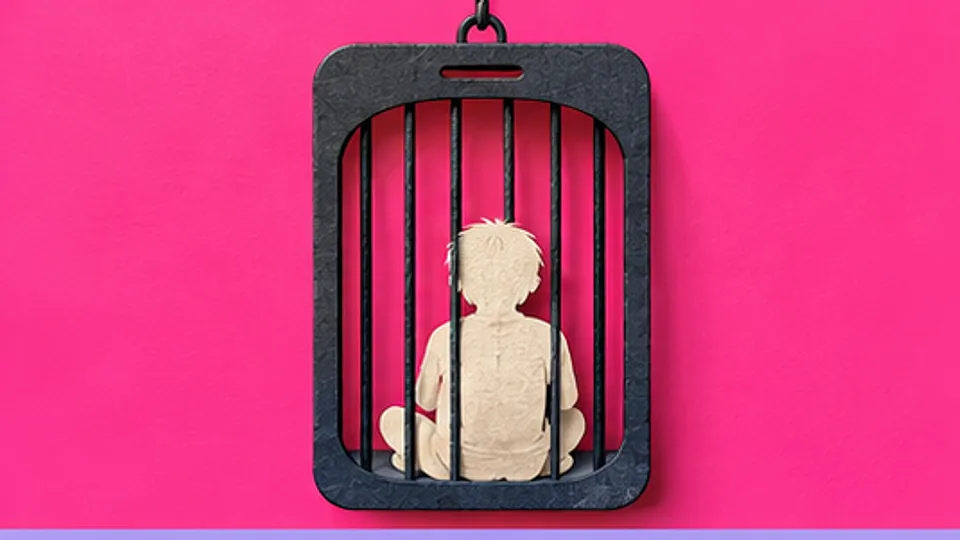
Excessive screen time is putting the physical and mental health of millions of children and young adults at risk, and screen addiction has become a public health problem that requires governments to step in, according to a series of research papers published on Sunday by the medical journal The Lancet.
The papers pull together 2,790 international studies covering more than 9 million participants, distilling what research so far shows about the harms and benefits of digital technology. The goal, said a co-author, Jay Shaw, an assistant professor in the University of Toronto’s Department of Physical Therapy, was to give governments a sense of “what needs to happen to protect children’s health.”
The findings split by age. For the youngest users, children 10 and under, too much screen time was linked to less sleep and to damaged cognitive, emotional and social development. For young people between 10 and 24, the list ran longer: mental health problems and less physical activity, but also substance abuse, self-harm and suicidal thoughts.
“I think we’re in a moment globally right now, where the harms associated with digital media use, especially for young people, have become quite clear,” Mr. Shaw told CBC News.
That argument rings true for parents who say they have run out of tools. Andrea Chrysanthou, the board chair of the advocacy group Children First Canada, said it had been nearly impossible to limit the screen time of her 13-year-old son, Nathaniel. “My son understands that he’s addicted,” Ms. Chrysanthou said. He has asked her for help cutting back, she said, but the minute she turns her back he reaches for his device again.
Most digital platforms were never designed for young people, said Dr. Rachel Mitchell, a psychiatrist at Toronto’s Sunnybrook Health Sciences Centre. Children five and under, and adolescents, are at ages when the brain is still developing, she said, yet they face applications, games and platforms built to capture constant attention, with autoplay, push notifications, game-like elements and daily rewards for staying online.
“Adults, at least, have fully developed frontal lobes with which to regulate, and they can’t even do it themselves,” she said. “So, why we’re expecting children to do it is beyond me.”
Mr. Shaw put the moment alongside the long history of public health campaigns against smoking. Society, he said, may be at its “so-called big tobacco moment” with technology, and if governments fail to get out in front of it, digital technologies “will end up being more harmful than beneficial for public health.” Dr. Mitchell qualified the comparison: smoking has no benefits, she said, while a cigarette, unlike a phone, won’t help you find your way around a city. The Lancet review itself credits digital media with real gains when used in moderation, for schoolwork and for learning outside class, but she said those gains can be kept only if the risks are managed, something she no longer believes is possible without intervention from governments or the companies themselves.
Some companies have moved on their own. Meta agreed to age limits in the United States in August, when it settled a multistate class-action lawsuit for $18 billion, a deal described as the largest state consumer protection settlement in history outside the Big Tobacco cases of the 1990s. TikTok caps use at one hour by default for accounts aged 13 to 17, though the setting can be switched off, and Snap’s chief recently told the BBC it was open to time restrictions for teenagers. Such steps are “absolutely necessary” and “should have been there from day one,” Dr. Mitchell said.
Still, Mr. Shaw and his colleagues say the true toll can’t be measured while companies like Meta, TikTok and Google are under no obligation to share their own user data or explain how their algorithms fuel prolonged use, particularly among the young. “It’s very hard to reconcile morally, ethically, how that data cannot be available to researchers,” Dr. Mitchell said.
In Canada, the proposed Safe Social Media Act, known as Bill C-34, would compel platforms to give accredited researchers access to electronic data related to online safety and would force social media companies to restrict accounts held by children under 16 unless they can put adequate safeguards in place. The bill has yet to be debated in the House of Commons, and critics have questioned whether it would survive a challenge under the Charter of Rights and Freedoms.
None of the researchers are proposing to ban children from social media outright. Even Ms. Chrysanthou doubts such bans work: in Australia, where age limits took effect this year, children have stayed online by finding ways around the restrictions or because companies never built effective checks. “Beyond some kind of regulations around screen time,” she said, “we want the companies and the platforms to take responsibility, to make their platforms safe.”