
There is a point in certain political careers when the downside of restraint disappears entirely. Former Democratic Republic of Congo president Joseph Kabila appears to have arrived at his. On Monday, at his residence in Goma — the main city of eastern Congo, which has been under the control of the M23 rebel group since January 2025 — Kabila signed the founding documents of a new political and military movement, the Front for the Rebuilding of the Nation, and was named its leader, RFI reported. The coalition was unveiled at a joint press conference and includes the Rwanda-backed M23, which has captured vast areas of the country’s east.
As Al Jazeera explained, the new coalition is designed to replace the M23-AFC alliance — the AFC, or Congo River Alliance, had served as M23’s political wing before being dissolved — which is fighting government forces and controls swaths of territory in a conflict that has already killed thousands. The launch, in Al Jazeera’s reading, amounts to a public confirmation of what Kinshasa has been alleging all along: that the former president is in league with the rebels.
And this is where the incentives get interesting, in a grim way. Kabila, who ruled the DRC from 2001 to 2019 and went into self-imposed exile in South Africa in December 2023, according to a BBC Pidgin account, has for years denied collaborating with Rwanda and M23. Kinshasa did not believe him, and it prosecuted accordingly. A military court convicted him of treason, war crimes and other offences tied to the eastern conflict and sentenced him to death in absentia — Deutsche Welle dates the ruling to September 30, 2025, though Al Jazeera’s explainer places it last October. In April, Washington imposed sanctions on Kabila, alleging he had funded rebel groups. He has rejected the case against him as politically motivated.
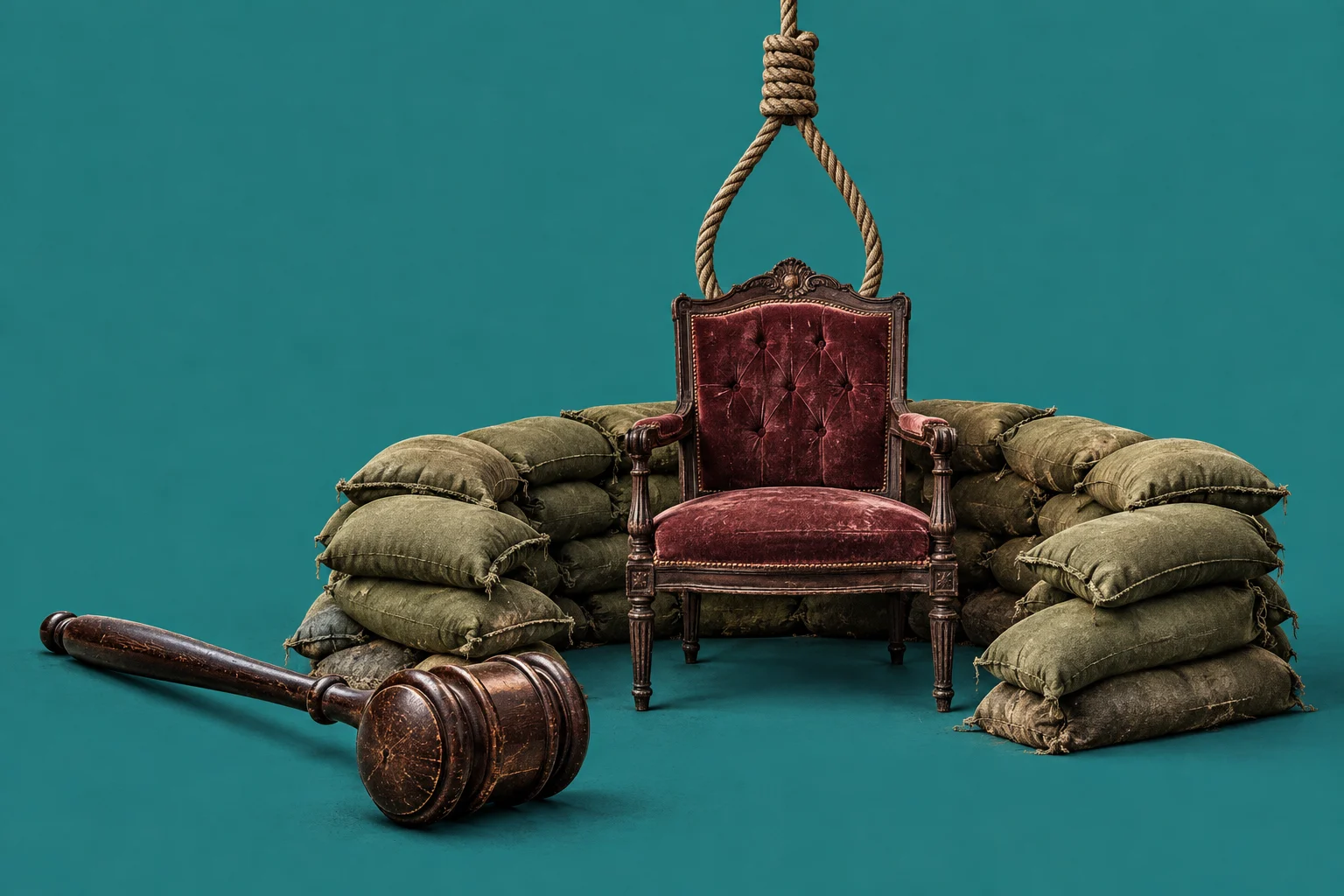
Now, if you are a government trying to peel a former president away from a rebellion, the standard tools are negotiation, amnesty, a dignified retirement somewhere sunny. Kinshasa’s approach has been closer to: maximum punishment, announced in advance, for a crime he swears he didn’t commit. What exactly does that leave him? A death sentence you only collect on capture is, from the condemned man’s perspective, a strong argument for never being captured — and a man who must never be captured has few safer addresses than a rebel-held city. Whatever the truth of the original allegations, the state’s chosen remedy has removed nearly every reason Kabila had to keep denying them. On Monday, he stopped.
The timing is awkward for everyone else. Diplomatic initiatives to end the fighting between Congolese forces and the rebellion are under way, and Deutsche Welle notes the announcement complicates them; rews has chronicled how the US-brokered Congo peace deal was already fraying before Kabila’s move. RFI also points to rising political tension ahead of elections due in 2028, in which a Kabila-led politico-military front holding territory in the east becomes not just an insurgency but an electoral fact.
The government accused Kabila of leading the rebellion, sentenced him to death for it, and sanctioned his funding channels. On Monday he held a press conference in Goma and signed the paperwork. Kinshasa said he was a rebel; he has, at last, agreed with the diagnosis. The treatment remains the sticking point.