
Here is a fun little market failure. Baby boomers — people born between 1946 and 1964 — account for 42% of spending among affluent US households, according to Visa research from last year. US marketers, meanwhile, are forecast to drop $40 billion on creator-economy partnerships and ads this year, per EMARKETER. You might think some meaningful share of that $40 billion would be aimed at the people with 42% of the money. You would be wrong, and the reason you would be wrong is that marketers are scared of them.
That’s roughly what Jennifer Meehan, an EVP at the communications agency Edelman, said: “Brands are terrified of taking any dollars away from speaking to young people.” The data, from a Morning Consult survey of roughly 2,000 US adults conducted in September exclusively for Business Insider, explain both why that’s tempting and why it’s expensive. As Lara O’Reilly and Sydney Bradley reported, just 31% of boomers said they trust influencer recommendations at least somewhat, against 62% of Gen Z and 64% of millennials. Two in five boomers — 40% — said they trust influencers less than they did a few years ago.
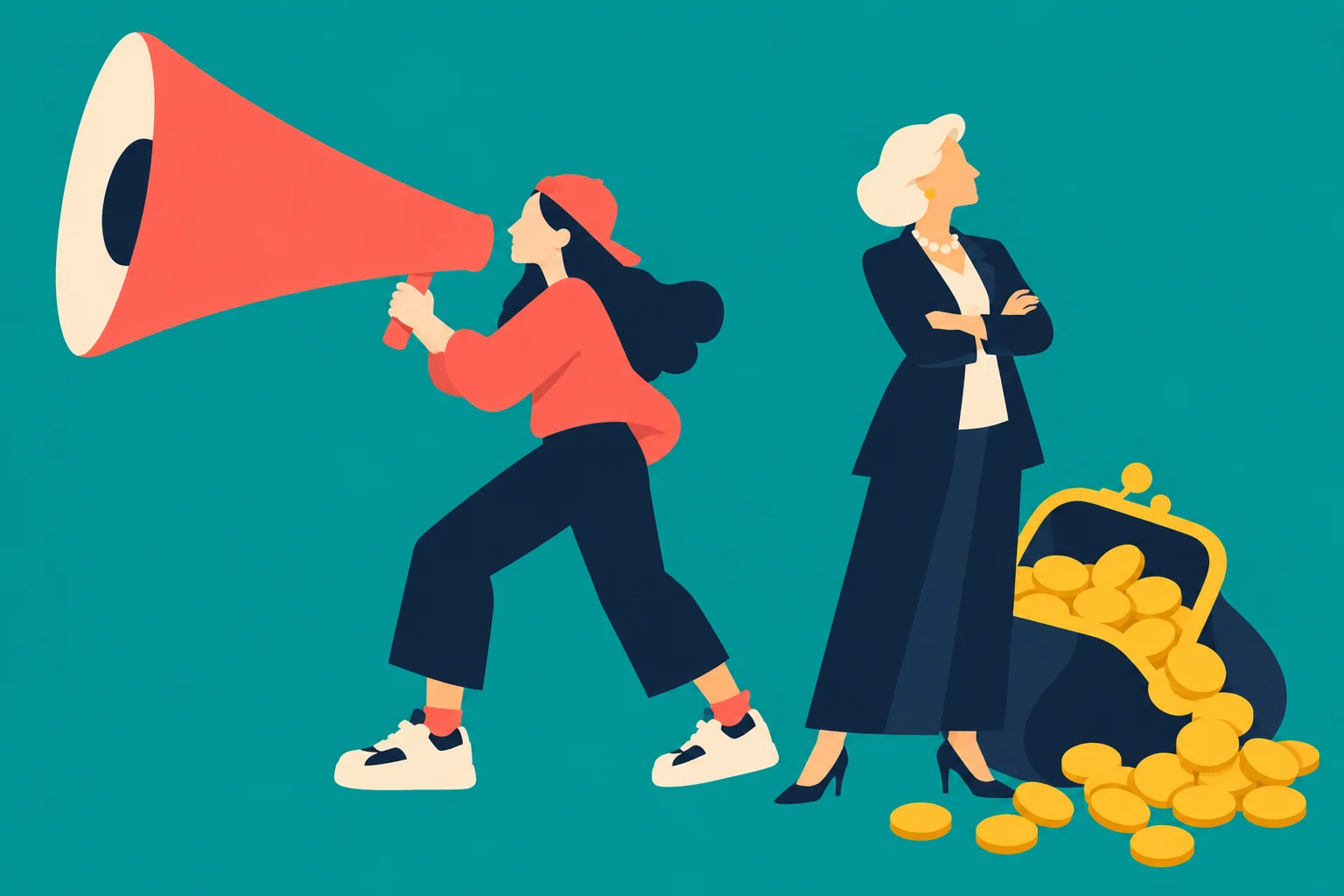
And then there’s the emotional data, which is brutal. Asked how influencer content made them feel, 26% of boomers said “annoyed” — the highest share of any generation, and boomers’ single most common answer. Only 5% said it made them feel happy, versus 28% of Gen Z, 30% of millennials and 13% of Gen X. Every other generation’s top choice was “entertained.” Boomers looked at the entire creator economy and their modal reaction was irritation.
Now, there are two ways to read that. One is: fine, grandma doesn’t get TikTok, move on. The other is that marketers have systematically refused to serve this audience and then expressed surprise that the audience isn’t served. Florian Dost, a marketing professor at Brandenburg University of Technology in Germany, interviewed influencer agencies and talent managers for a recent study, and found something that should embarrass someone: older influencers often drove higher campaign conversion rates, and brands rejected them anyway. “Agencies may know that,” Dost said. “They certainly sometimes try to put it forth because they also see the numbers. But clients don’t want to hear.” So the industry has evidence that grey hair converts better, and the industry’s response is: we prefer the young ones, thanks.
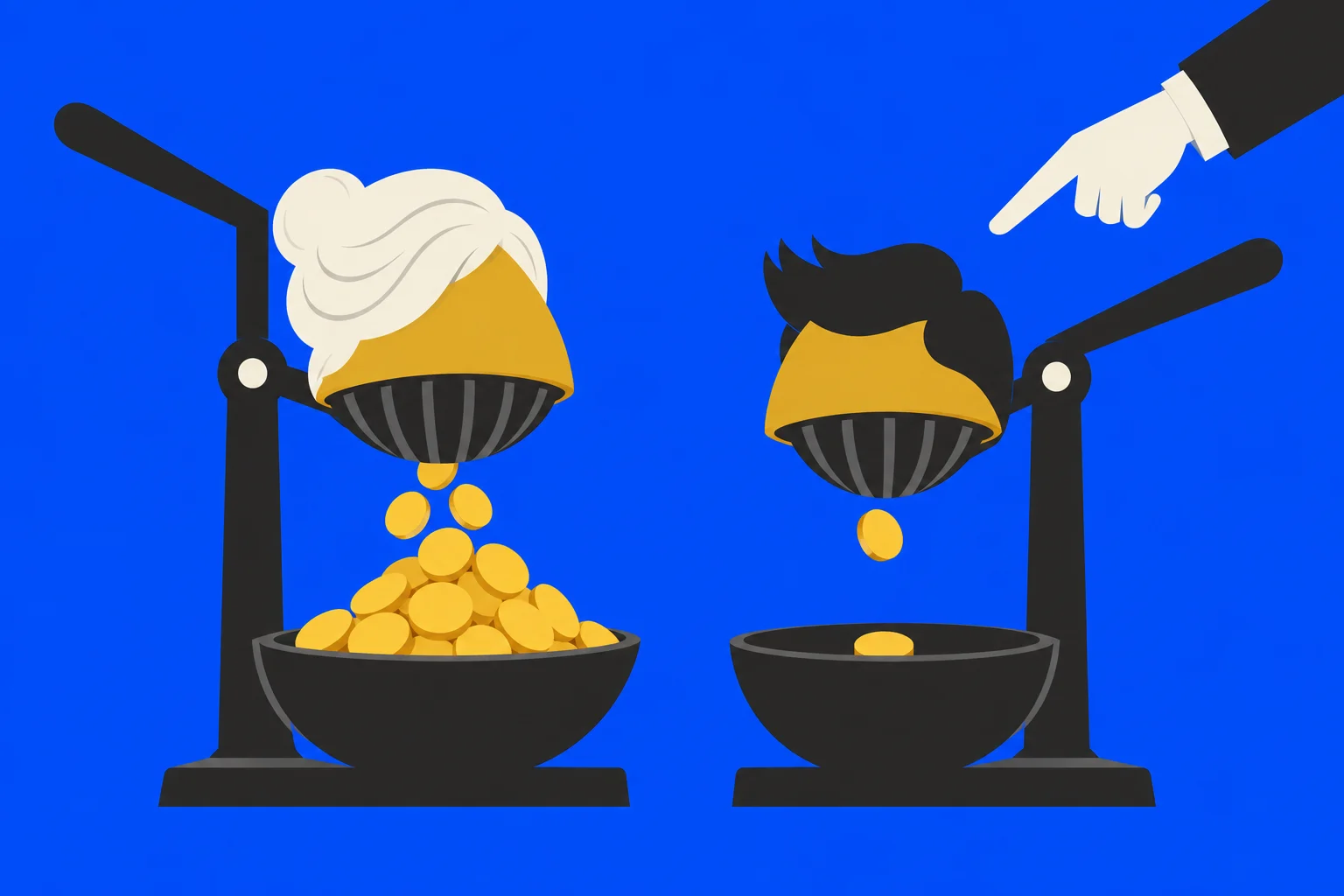
A separate Edelman study published earlier this year, covering more than 17,000 respondents worldwide, found only 24% of boomers follow a content creator at all, compared with 86% of Gen Z, 77% of millennials and 51% of Gen X. Some of that is habit. But some of it is supply: Stewart Reynolds, a 56-year-old Canadian comedy creator who posts as Brittlestar, has an audience that is 45% over 45 — and he notes, only half-joking, that his son Gregor, also a successful comedy creator, gets “brand deals and campaigns that I wouldn’t get because I’m not young and fit.” Reynolds has done fine — Yorkshire Tea, Yoplait, Dairy Farmers of Ontario — but the structural tilt is the point: the creators who could reach older buyers are not the ones brands call.
Wait a year
The solution on offer from the professionals is, essentially, patience plus hobbies. Lucy Kruszynski, global head of brand at the influencer agency Buttermilk, argues it’s “less about finding someone who’s the same age and more about finding someone they can see something of themselves in” — shared interests over shared demographics. Retirees have time to rediscover music, art, home improvement; brands can meet them there. And it works when it’s tried: Marlene “Granny Guns” Flowers, a boomer weightlifting influencer, has more than 4.5 million followers and deals with YoungLA and Ryse Supps; Barbara Costello, in her 70s and known as “Brunch with Babs,” has more than 9 million followers and partnerships stretching from Birch Lane to Nellie’s Eggs to Walmart.
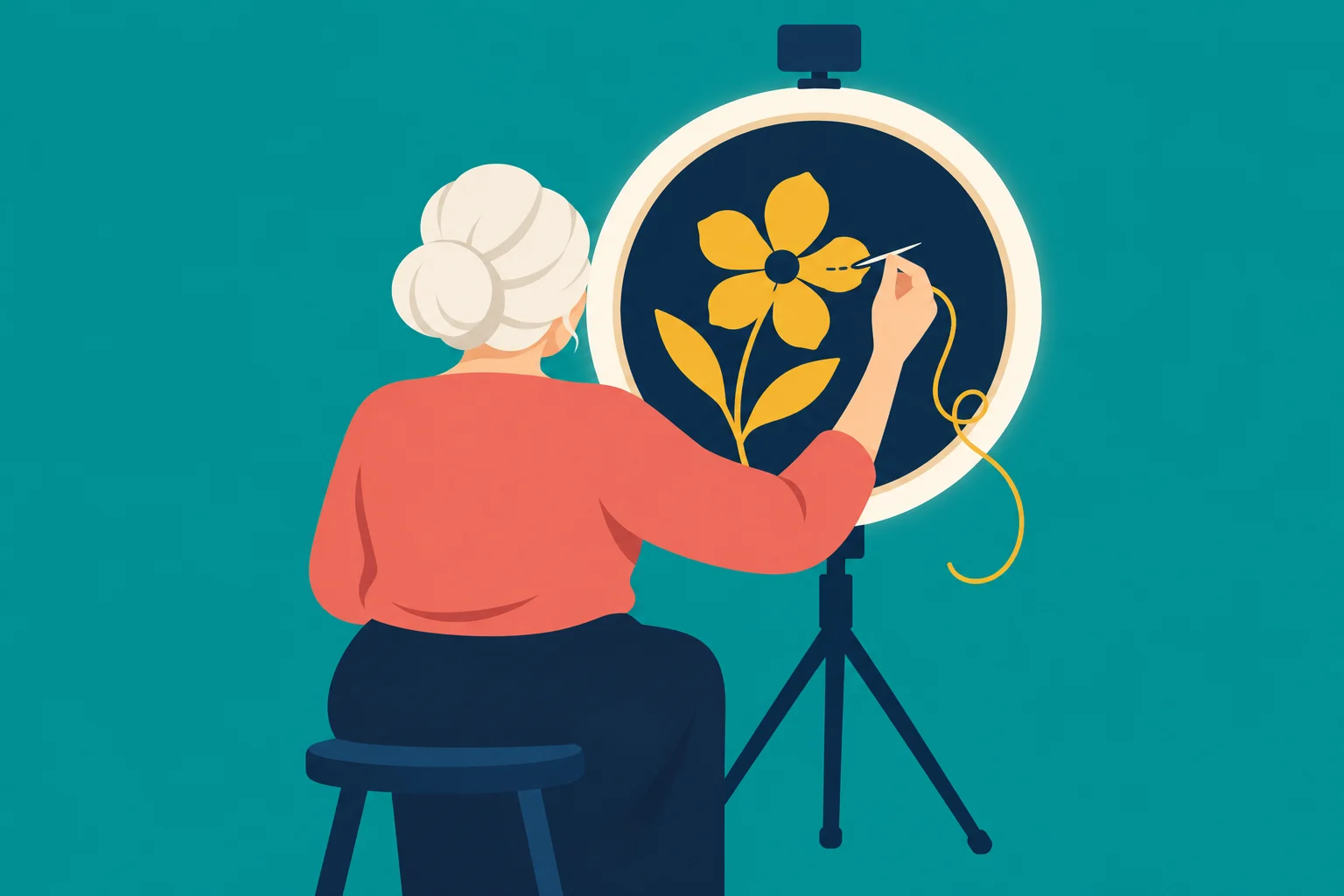
But patience is the hard part, because the Morning Consult survey found 43% of boomers have never bought a product on an influencer’s recommendation, and Kruszynski says some boomers follow a creator for months, sometimes up to a year, before buying anything. That is a nightmare for an industry that measures campaigns in clicks and same-week sales. Imagine telling a CMO the strategy is: sponsor this lovely 70-year-old, and in eleven months some of her audience might buy the eggs. The meeting ends quickly.
“Even though there is absolutely a level of annoyance and a lack of trust, I don’t think that baby boomers are immune to influencer marketing,” Kruszynski said. Which may be true. But the current equilibrium — brands avoiding the richest audience because the feedback loop is slow — has a certain logic to it. The logic is just that nobody’s bonus is paid on year-eleven egg sales.