
Here is an industry that is, by the usual standards of American business, a grown-up. Influencer marketing is a $12 billion business in the US. The National Football League does it. Disney does it. E.l.f. Beauty, Poppi, Keurig Dr Pepper, Adobe — all in. And yet the whole thing apparently runs on a combination of spreadsheets, emails and Instagram DMs.
That last part is not a joke. Business Insider asked more than a dozen marketing executives — drawn from its 2026 list of innovative influencer marketers, at 14 brands in total — what keeps them up at night, and the honest answer turns out to be: the same things that kept them up five years ago, only more so. In a June survey of 209 executives conducted by Northwestern University and LTK, 45% of brands said they relied on manual processes like spreadsheets, emails and DMs to run their creator campaigns. Forty-five percent! Of a $12 billion industry! Imagine you run a television advertising business and someone asks how you book your spots, and you answer: “Well, mostly Kevin emails people.” Kevin would be fired. In influencer marketing, Kevin is the workflow.
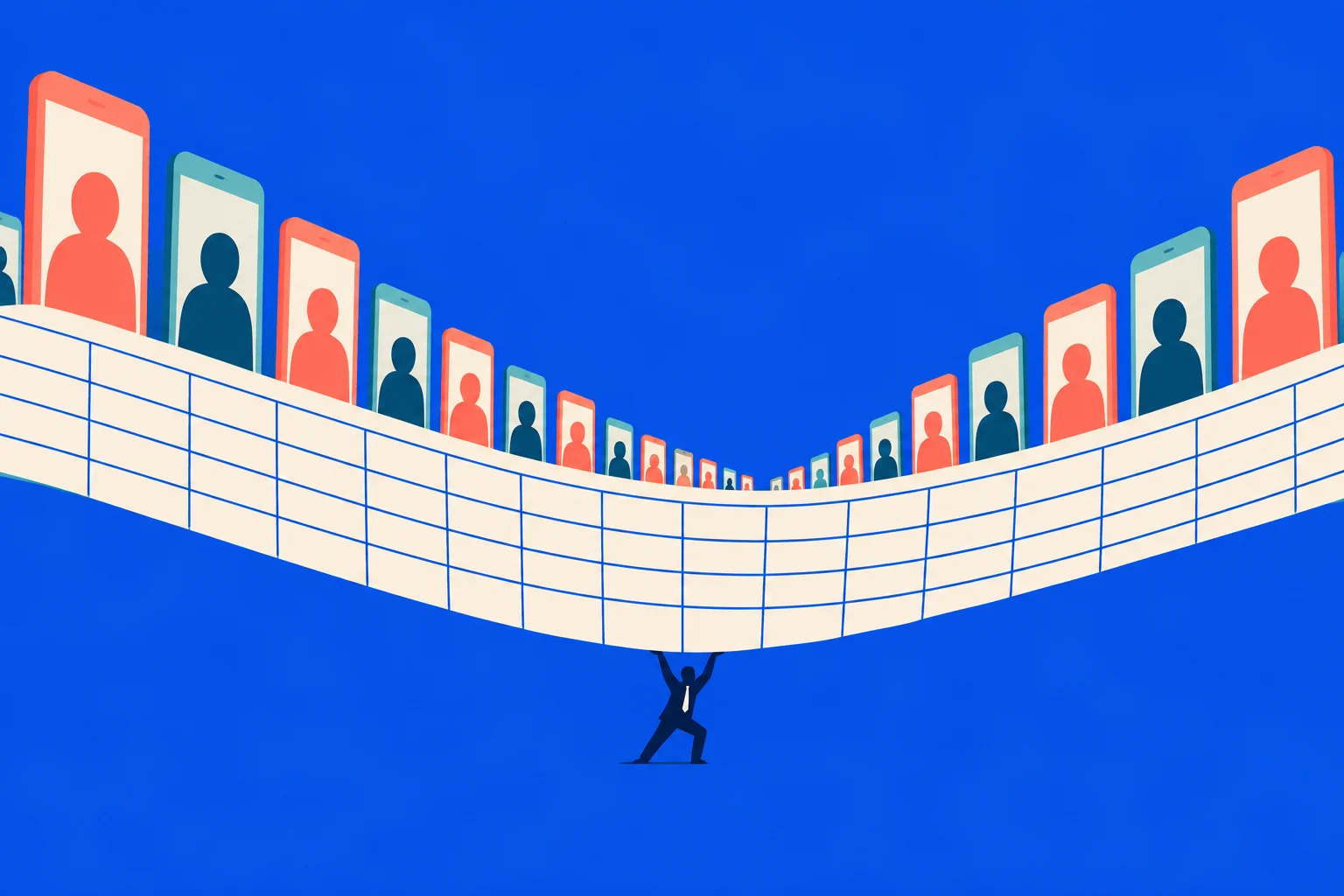
The obvious question is why nobody has automated this, and the answer, offered up by Lindsay Burstein, Keurig Dr Pepper’s senior director of integrated social and communications, is that the supply side of this market is made of people, and people are annoying. “We’re dealing with people, and making content is their time and their business, and it’s hard,” she told Business Insider. “We’re always looking for ways to do it faster and in a way that feels more real-time so that we’re keeping up with the pace and the culture of the internet. But also knowing that these are people. They have lives. They have other commitments.” Which is a lovely sentiment and also a precise description of why the spreadsheet survives: you cannot A/B test a human being’s willingness to film your sparkling water on a Tuesday.
The talent pool is a firehose
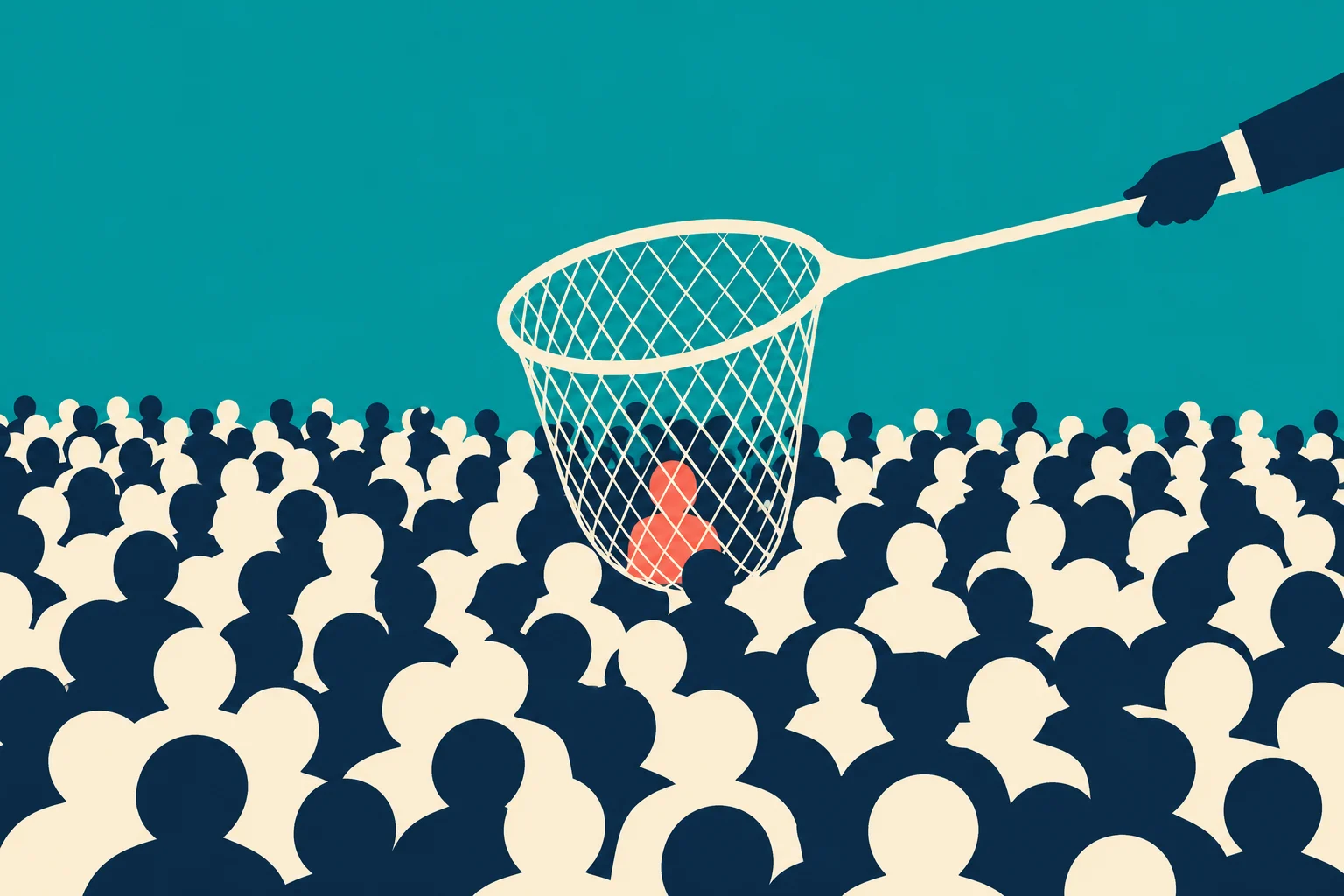
Pain point one is, essentially, a discovery problem. The supply of influencers is infinite and growing daily, which sounds like good news for buyers and is actually awful news for buyers. “The landscape of the influencer, creator, and affiliate model is changing every single day, and new people are coming in and identifying as an influencer,” said Patrick O’Keefe, chief integrated marketing officer at E.l.f. Beauty. “I would love a model or a plan or a program that would capture all the new people coming into this space in real time.” Note the tell here: identifying as an influencer. The barrier to entry in this labor market is self-declaration, which means the buyer’s job is less “find suppliers” and more “filter an endless stream of self-declared suppliers for the handful who can actually sell your lip stain.”
“We’ve just seen this space get so much more saturated than it ever has before,” said Kiara Kempski, vice president of global consumer marketing at The Knot Worldwide. “The game of scale is totally changing.”
The feed doesn’t care who you follow
Pain point two is that the distribution mechanism stopped working the way the industry assumed it worked. The old model of influencer marketing was: person has followers, followers see person’s posts, therefore pay person to post. That model is dying, because the algorithms that run social feeds have become so personalized that the follower count is nearly decorative. “Ninety to 95% of the content that we see in our own feeds is not from accounts we follow,” said Keurig Dr Pepper’s Burstein. “Followership matters a little, but not nearly as much as I think it once did because the algorithms just don’t favor it the way that we used to.”
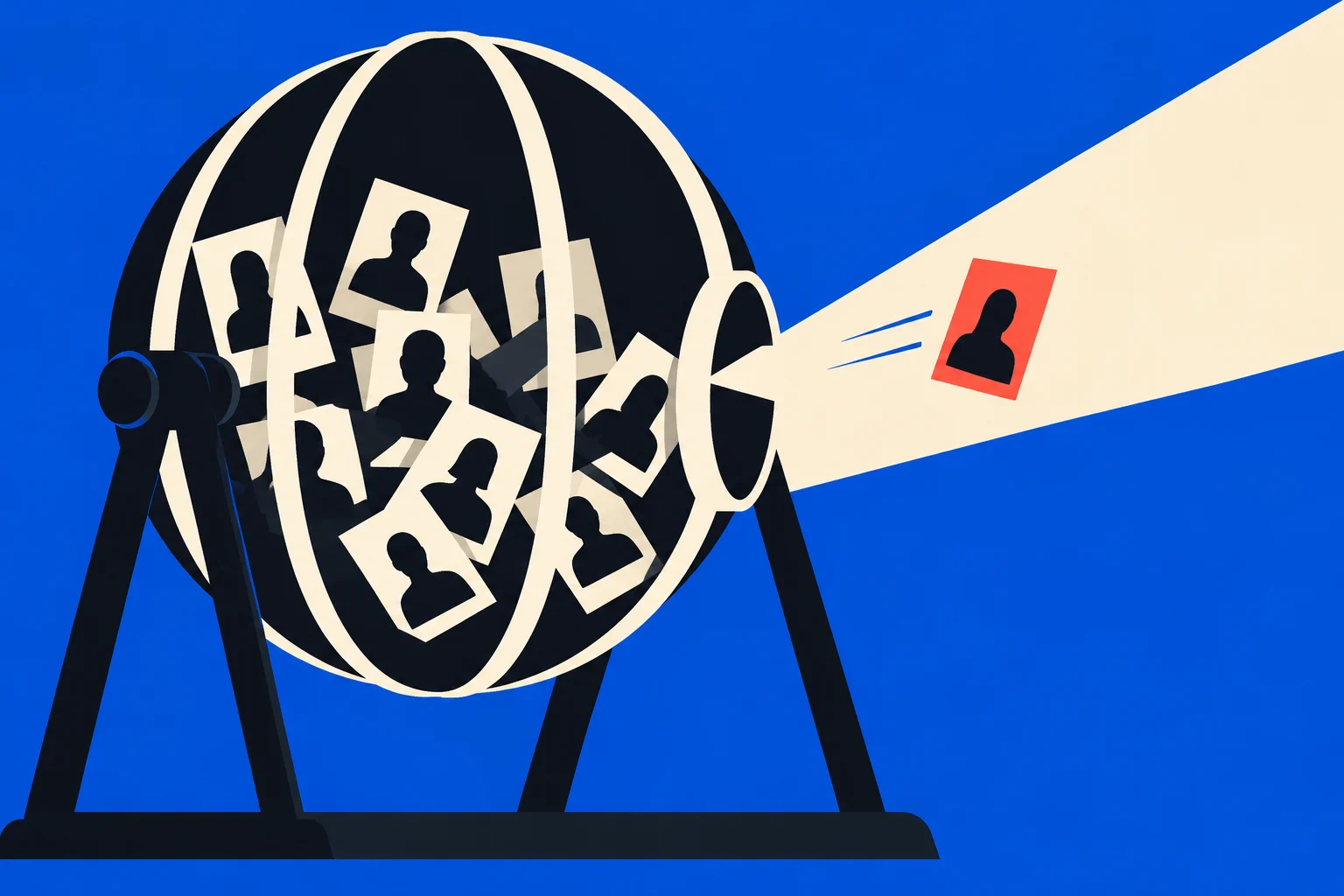
Sit with that for a second, because it inverts the economics. Brands thought they were buying access to an audience — a defined, countable thing, like subscribers to a magazine. What they’re actually buying now is a lottery ticket in an algorithmic raffle, where the reward depends on whether the content is good enough, right now, for a machine no one at the brand controls. “There is a ton of content that’s just content for content’s sake that’s out there,” said Ian Trombetta, the NFL’s senior vice president of global social, creator, and content marketing. “The creative bar is going up in order for us to drive that organic reach and engagement.” Or as Anna Doré, Rothy’s vice president of brand and communications, put it: “The feed is so loud right now.” Her solution, in “this AI-driven algorithm world where we’re all being served the same content,” is to lean harder on “great tastemakers” — which is to say, the old human filter, just with better taste.
The brief versus the person
And pain point three is a contracting problem dressed up as a creative one. A brand wants control over its message. A creator’s entire value is that they don’t sound like a brand. These two facts are in permanent tension, and the executives are unusually blunt about who should win. Some brands “are a little bit too prescriptive and don’t allow the creators to do what it is that they really are good at,” said the NFL’s Trombetta. “Overbriefed” projects are “not the business that we want to be in,” said Sophia Sesto, Poppi’s vice president of culture, who’d rather “lean into their personalities and let them carry the brand forward with us.” “For a long time, the industry treated creators as ad placements,” said Samim Sadrzadeh, Disney’s director of creator content and partnerships. “We think that significantly undersells the value they actually bring.” Adobe’s chief content and creative officer, Stacy Martinet, put the theory in one line: “Creators know their audiences better than we ever will.”
Notice what all of this adds up to. The sellers are uncountable, the distribution is a black box, the performance is erratic, and the buyers have voluntarily concluded that the best strategy is to hand the wheel to the freelancers and hope. That is a weird way to run $12 billion. It is also, probably, the only way to run it — because the thing brands are actually purchasing is the one asset that can’t be briefed into existence: a person an algorithm happens to favor today.