
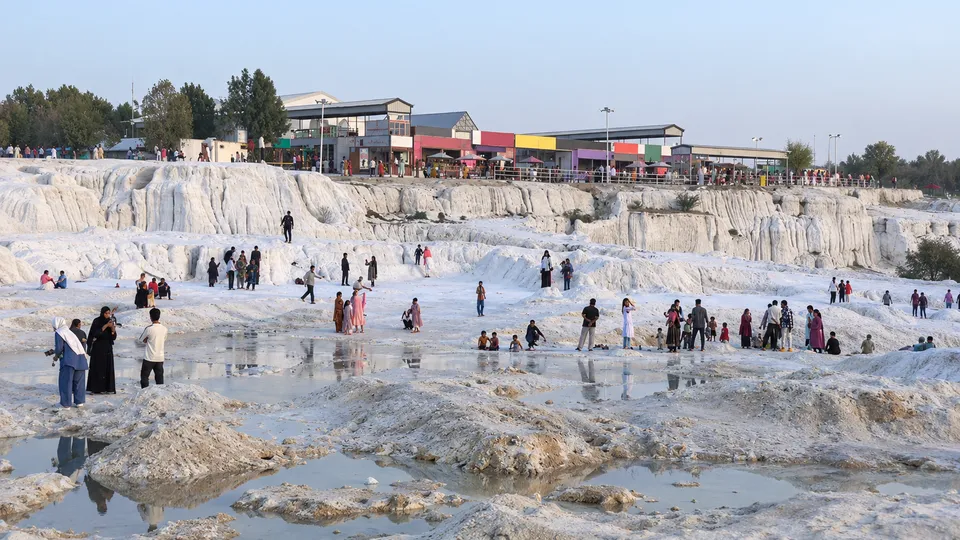
Villagers near a marble-waste dump in Rajasthan, India, that draws hundreds of tourists a day say its dust is making them sick, nearly 10 months after a court ordered regulators to police it.
The site, a white expanse of marble slurry in Kishangarh in Ajmer district, is known locally as the “Snow Yard,” and entry is free. About 5,000 people live around it. Residents of Bhogiyawas, a village 6 kilometers (4 miles) away, told Muheet Ul Islam of Al Jazeera about chest infections, decaying teeth, skin allergies and groundwater they can no longer drink.
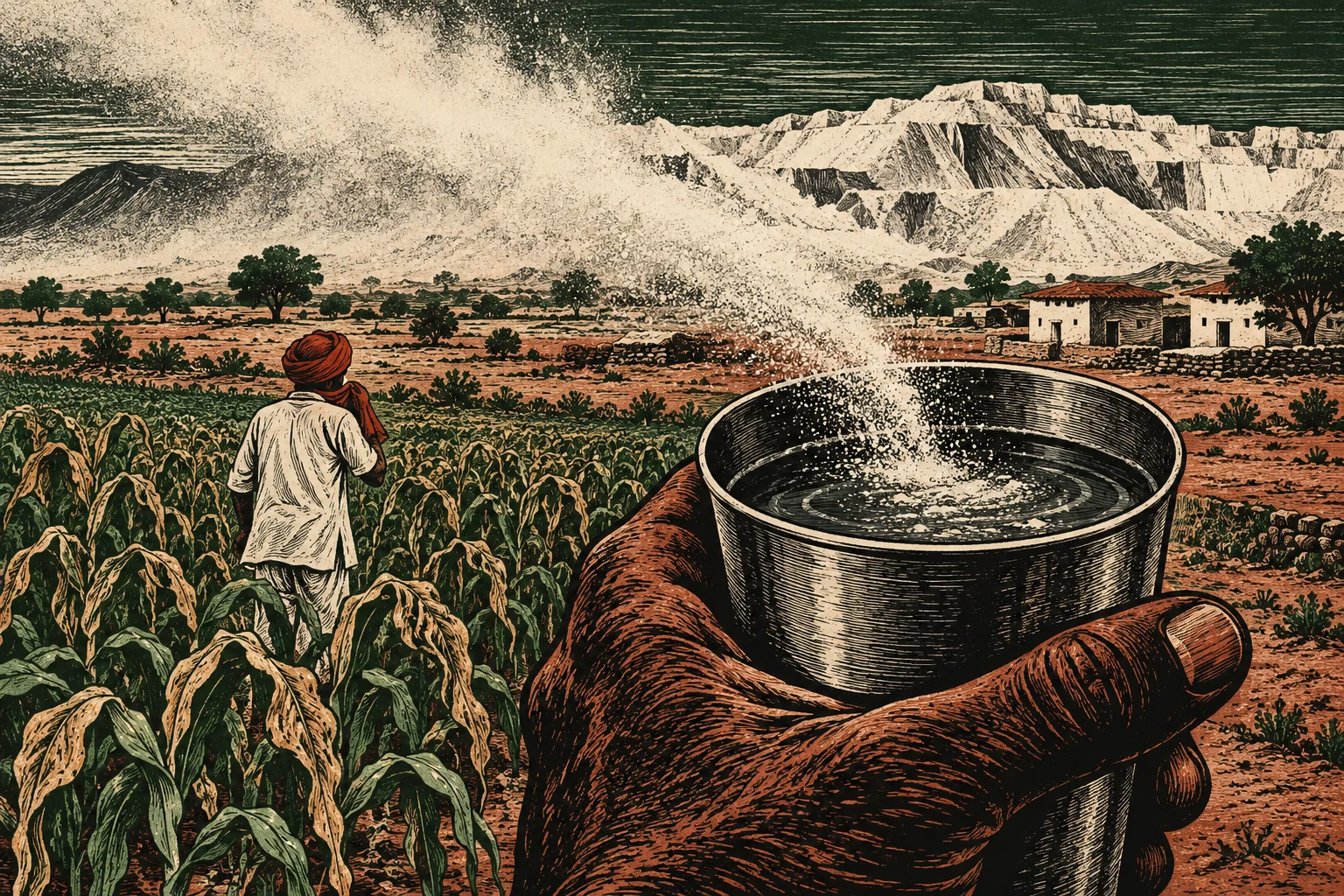
“Everything gets ruined when dust settles on the soil,” said Bagharam Gurjar, 53, who grows maize in Bhogiyawas. Mr. Gurjar said at least six villages were affected and that he and his wife, who has a chronic cough, both take medication regularly. “May God make everything right,” she said.
Ugam Singh, 65, another Bhogiyawas resident, said fluoride had left the well water tasting salty, and that his teeth were rotting and his bones had weakened. He said nearly every household had someone with asthma or another respiratory illness, and that his complaints to the Rajasthan State Pollution Control Board went unanswered. “No one listens to the poor,” he said.
The visitors keep coming. Newlyweds pose there, couples stage pre-wedding photo shoots, influencers film reels and crews shoot music videos and films. Salim Shahzada, a businessman from Uttar Pradesh, brought his family. “Their first impression was that this looks like Kashmir,” he said. Mr. Shahzada said he didn’t know of any health risks.
The waste comes from one of India’s biggest stone hubs. Kishangarh has about 1,200 processing units that do more than 160 million rupees, or about $1.7 million, in business a day and employ about 25,000 people, according to the Federation of Indian Granite and Stone Industry. Roughly 1,000 tankers dump about 5,500 metric tons of slurry at the yard every day.
Laxmi Kant Sharma, a professor of environmental science at the Central University of Rajasthan, studied the area. He found lead silicate in the soil at several times normal levels, particles smaller than 75 micrometers that spread widely and leave farmland infertile, and fine particulate matter, PM2.5, above air quality limits. His study warned that “several people may be suffering from silicosis.”
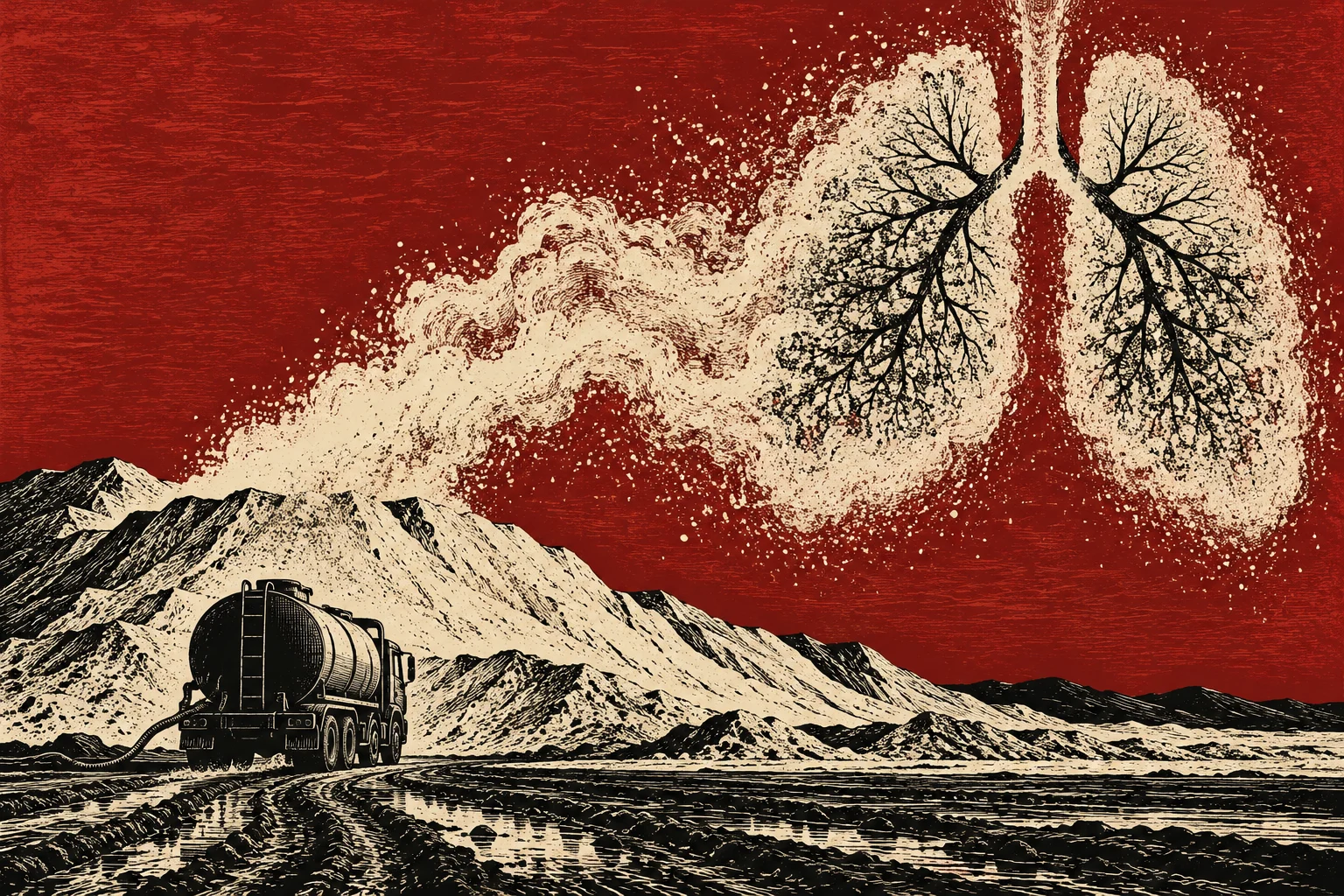
Mr. Sharma said he gave the findings to state authorities and nothing was done. He said the area was unfit for people to live in, that the yard should be moved and that tile factories could reuse the slurry. “I am surprised that people are allowed to visit the site without masks and even have food there,” he said.
Dr. Aditi Goyal, a general physician at Ganga Narayan Hospital in Ajmer, said respiratory cases had “increased significantly” in recent years. Marble workers face the most risk, she said, though dust kicked up from farm soil adds to the problem. She tells patients to wear masks.
The courts have already looked at the yard. In 2025, Drupad Malik, an environmentalist, petitioned the National Green Tribunal, calling the site one of Asia’s largest slurry disposal grounds. He said it had no liner, no dust suppression, no air or groundwater monitoring and no warnings for visitors, including children, according to the tribunal’s judgment of Jan. 7. His petition put the site at about 82 acres. Al Jazeera described it as 300 acres.
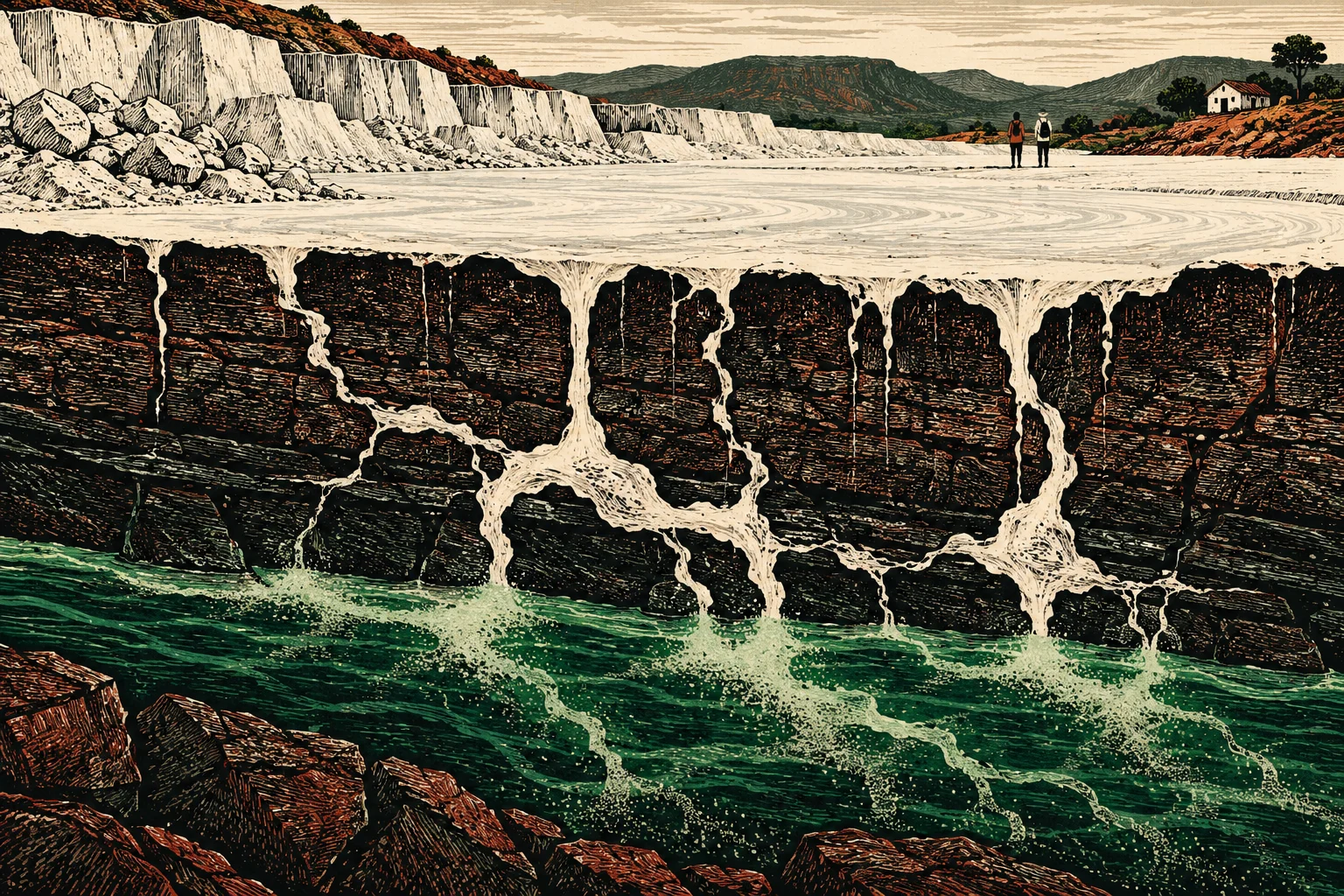
In July 2025, the tribunal sent a joint committee from the federal and state pollution boards to inspect the site. Its final order found that the dumping was contaminating groundwater and air. It directed the state board to monitor the yard, test samples and penalize violators, and told the Kishangarh Marble Association to follow the committee’s advice, which included digging out marble powder only at night after visitors leave and installing water misters. The Central Pollution Control Board was told to draw up guidelines to stop unregulated slurry dumping, Down To Earth reported.
A senior official at the state pollution board’s office in Kishangarh declined to comment to Al Jazeera.
In Tokra, about 15 minutes’ drive from Bhogiyawas, Ram Lal wants the yard moved and free medical camps set up. “No one from our village can afford it if someone develops a disease that costs thousands of rupees to treat,” he said.