
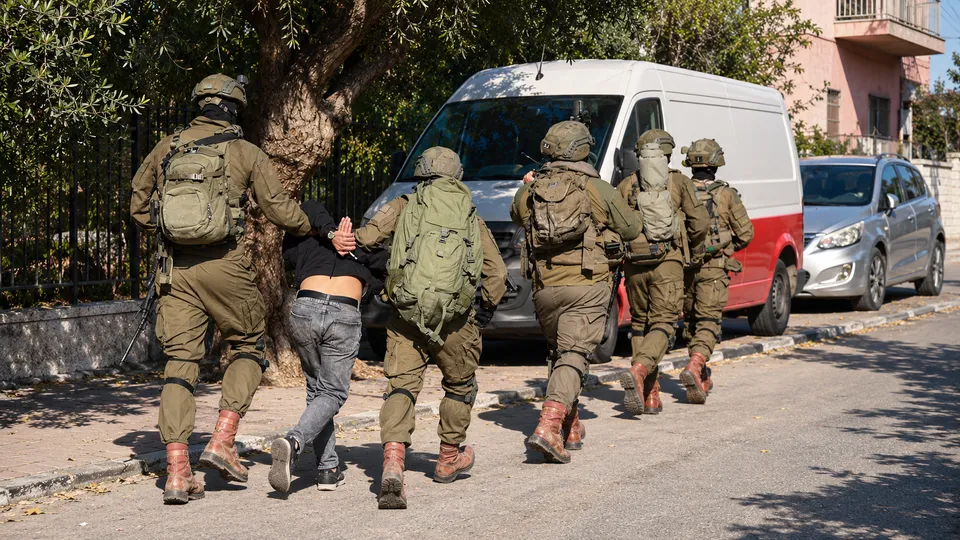
In January 2025, under a prisoner exchange between Hamas and Israel, a man from the occupied West Bank was let out of an Israeli prison after serving 22 years of a life sentence. He is 43 now. The name he is given here, Ahmed Abed, is not his own. Writing for Al Jazeera, the journalist Fayha Shalash uses a pseudonym because he still lives under the threat of arrest, almost two years after the gate was supposed to have closed behind him.
Within days of his release, Israeli intelligence summoned him. According to his account, the officers said they did not like the exchange deal. The slightest mistake, they told him, and he would be back inside.
Since then: six arrests. Five summonses for interrogation. A raid on his home every time.
Two-thirds of a man
Abed puts his situation in terms of his own body: “two-thirds of my body are still in captivity, with only one-third outside.” It is the kind of arithmetic prisoners learn to do. A sentence has a length on paper. Its reach can turn out to be much longer.
He describes what an arrest involves. He is handcuffed and blindfolded and made to walk several kilometres. He is given no food or water, beaten and threatened. On one occasion an officer told him: “We have zero patience for you.” Once, because Abed was outside the house at night, the soldiers took his father.
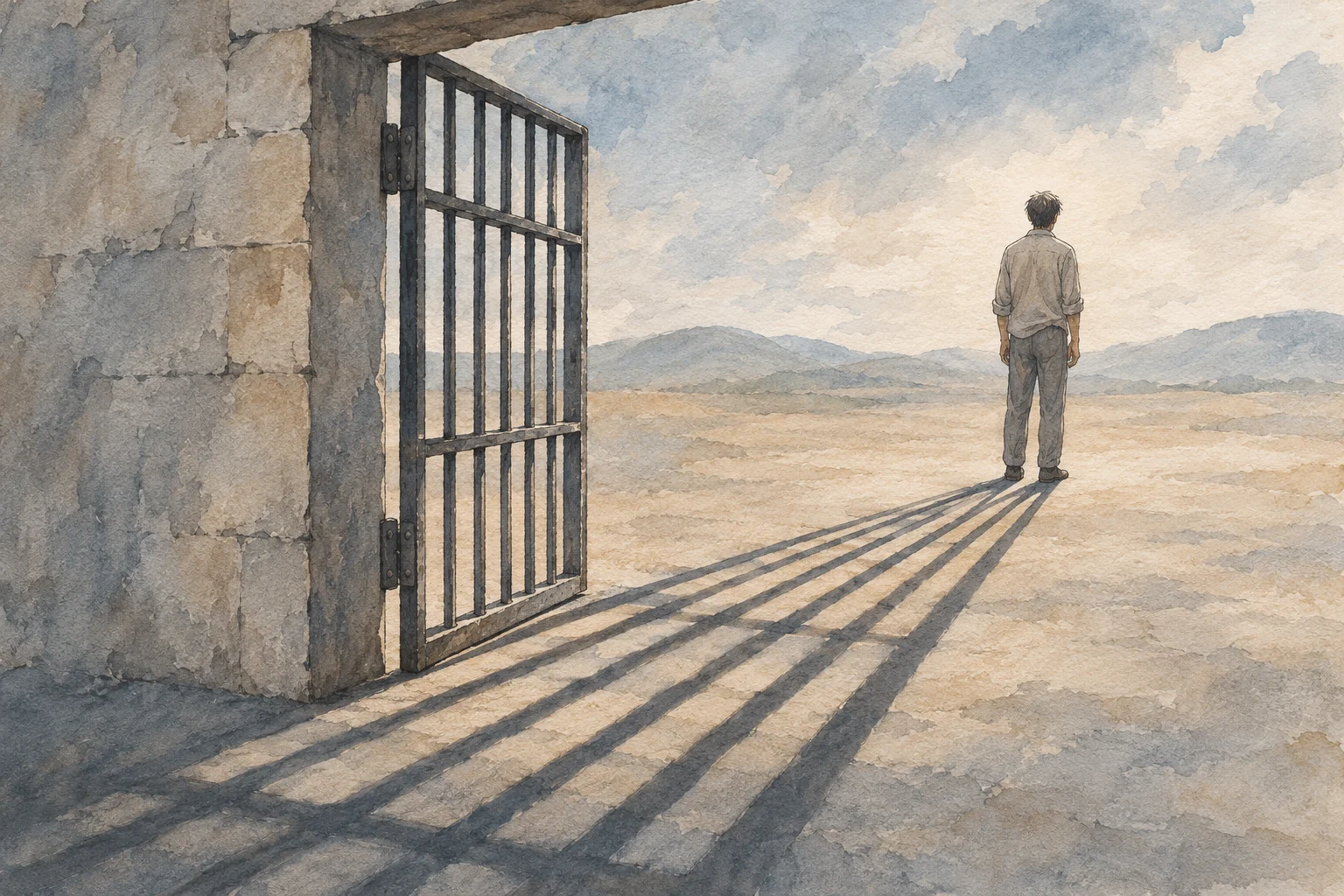
The fear does not leave with the soldiers. “My family goes into a state of high alert; no one sleeps all night,” he says. He has been warned that going to the mosque will get him arrested, so he stays away. He also avoids family gatherings. Inside prison he earned a bachelor’s degree and then a doctorate. Outside, he cannot find a job, and he lives on day labour.
Reflection, not reporting: a state that signs an exchange it dislikes can still decide what the exchange is worth afterwards. The prison door opens, and the gaps in the arrangement are filled by summonses, raids and warnings, until a man who carried a doctorate out of his cell spends his days choosing which doorways he dare walk through.
Qalqilya
Abed’s case is one of several. In Qalqilya, in the northern West Bank, one former prisoner who is not named says he is arrested about twice a week. He works as a football referee. He has been warned that if he sets foot on a pitch he will be arrested, which means that the pitch, the one place his work requires him to be, is now forbidden ground.
Another Qalqilya man, given the name Abdullah, was first released in 2000. He has lost count of his arrests since. By his reckoning he has spent 17 years in custody in total since that “release”. From November 2023 to February 2025 he was held in administrative detention, Israel’s practice of holding people without charge or trial. He reports physical and psychological torture during that time, and says he lost 60kg (132 pounds).
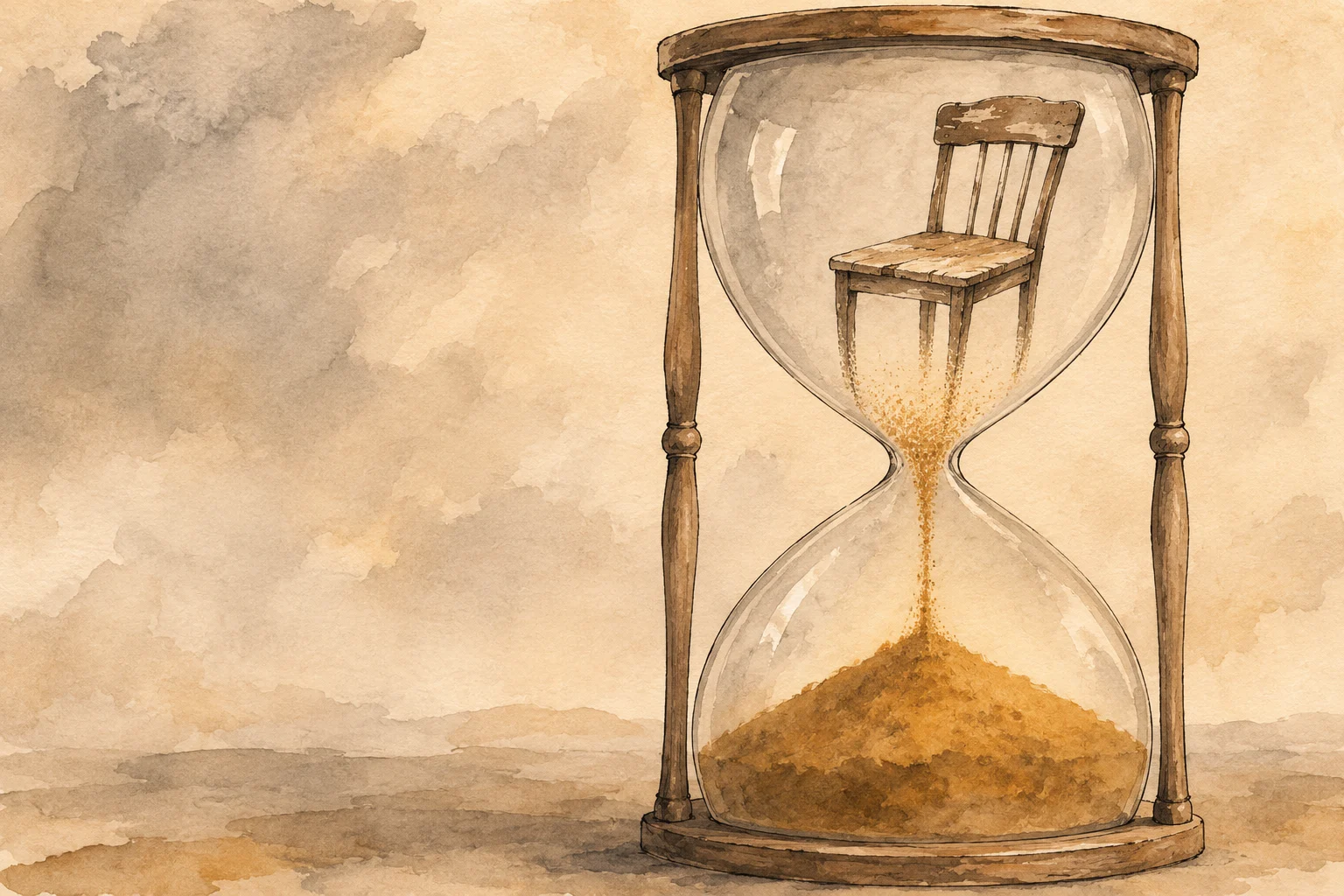
He has a family of seven to support. His employer replaced him because the detentions kept coming. He inherited farmland, but between the arrests and the threats he cannot work it properly, and he says it brings him “more losses than profits.” The land stays in the family, and the harvest does not come.
Counting
Since the Gaza war began in October 2023, Israeli forces have been entering West Bank towns, refugee camps and homes as a matter of routine and making arrests at checkpoints. These are the same months in which the camps of Jenin, Tulkarem and Nur Shams were emptied and Hebron was put under lockdown. Prisoner advocacy groups have recorded about 26,000 arrests in the West Bank, East Jerusalem included, between October 2023 and early October 2026. More than 800 of those arrested were women and nearly 2,000 were minors. The count includes people later released, and most people detained are freed after hours of interrogation. Those hours are short enough to leave no record in any prison census and long enough to teach a village what an arrest feels like.
Amani Sarahneh, spokesperson for the Palestinian Prisoner’s Society, describes the detentions as a continuous wave that runs day and night. They no longer happen only in the dark. They happen in daylight too, at checkpoints, and in field interrogations. On average, she says, 10 to 15 Palestinians are arrested each day and kept in custody. The arrests often come with beatings, long hours in handcuffs and blindfolds, and homes turned over. Wives and sisters, she says, are used “as hostages to exert pressure.” She speaks of a “normalisation of fear”, especially in the villages, and says it has spread beyond former prisoners: the general public now worries that arrests could reach a far wider part of the population.
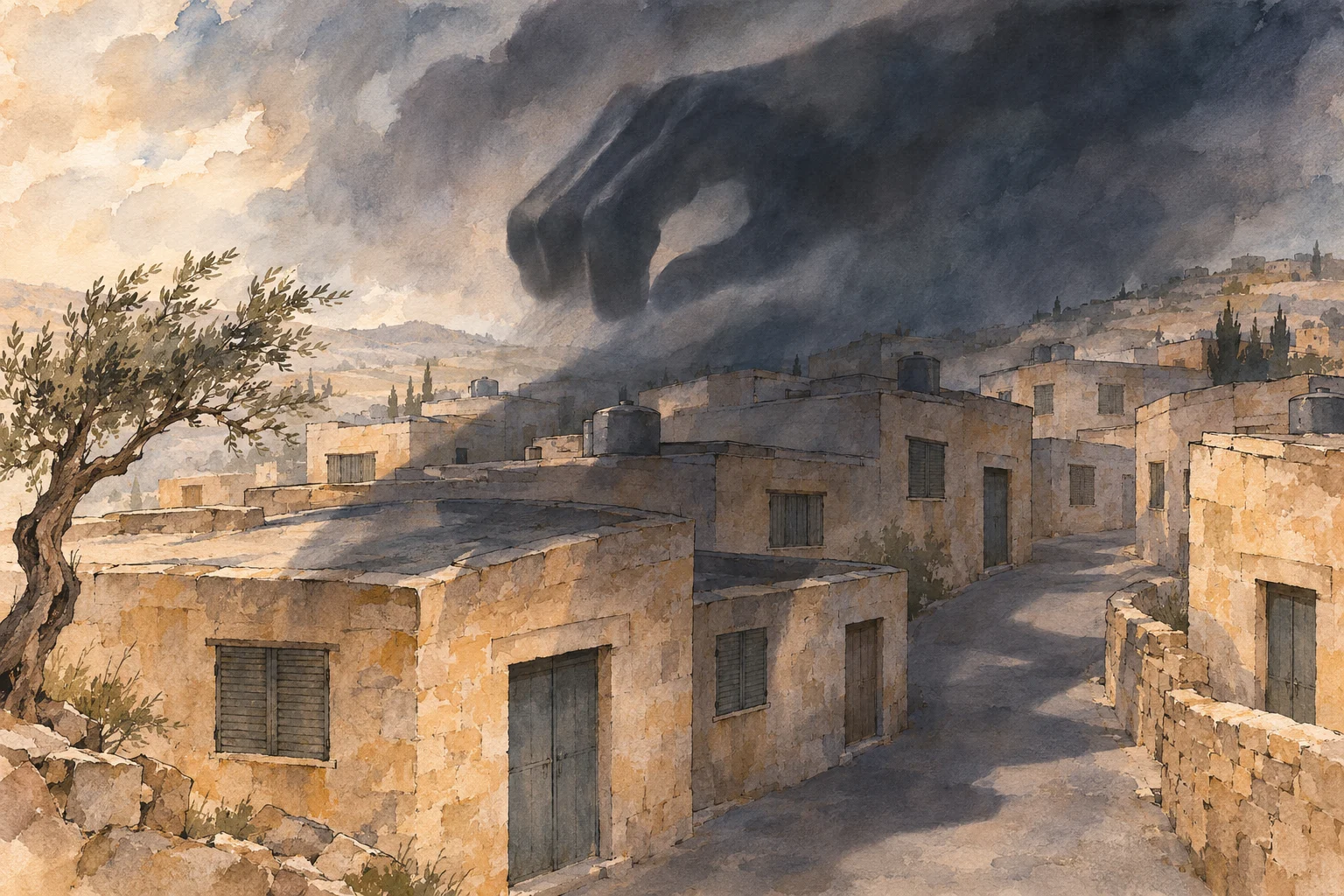
The prison figures show where many of those arrests end. The Palestinian prisoners’ rights group Addameer counted 3,532 administrative detainees from the West Bank in early April 2026, held without trial or charge, out of more than 9,600 Palestinian political prisoners. The Israeli rights group B’Tselem, using Israel Prison Service data, reported that at the end of June 2026 the service held 9,187 Palestinians on what it defines as “security” grounds, 1,554 of them from the Gaza Strip. The two counts come from different sources and different months, and the Prison Service data does not include people held in military facilities. Neither figure can show how many people like Abed are released and then taken again, held for a night or a week, and let go once more.
The weather of a house
For the families, the pattern is simple. A knock at night means nobody sleeps. A summons means a day of waiting. A warning shrinks the map: no mosque, no family gatherings, no football pitch. Abdullah has lost count. Abed is still counting, six arrests and five summonses so far, from a house that, by his own account, stays on alert all night.