
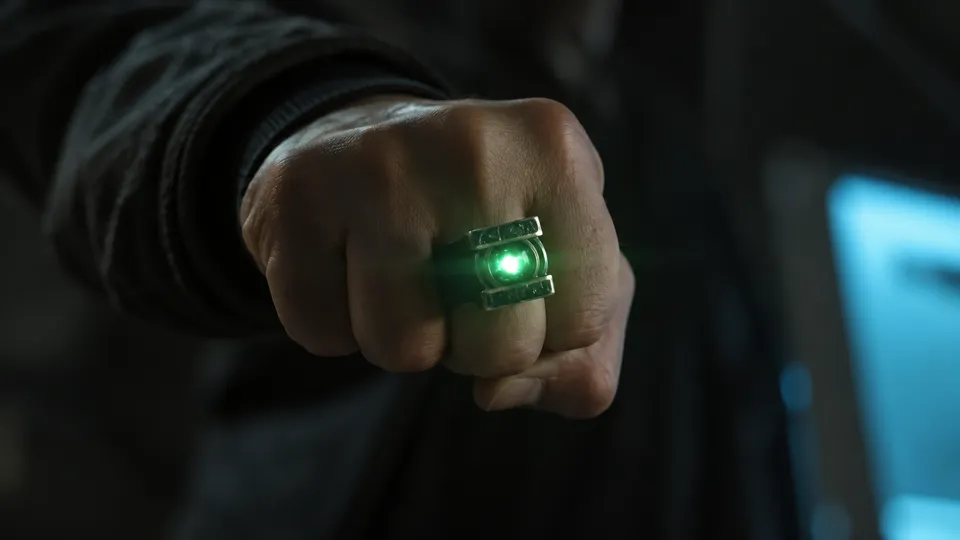
Every power has a symbol, and the man holding it rarely believes the time has come to hand it over. In HBO’s Lanterns the symbol is a ring. It glows green, it can contain an explosion, and the cocky man who wears it has no intention of taking it off. The plot hangs on that refusal. So, unusually for a superhero series, does the argument of the whole show.
Writing for Ars Technica, Jennifer Ouellette gives her verdict without hedging: “Ignore the review bombing; it’s wonderful.” She found the rebooted DC Universe films so far enjoyable but rather forgettable, even where the good outweighed the bad. This series is different, she argues: it shows what becomes possible when someone is allowed real creative freedom inside the genre. The trailers promised gritty realism closer to True Detective or Slow Horses than to the usual caped antics. In her account the season kept that promise and closed with an emotionally charged finale she calls almost elegiac.
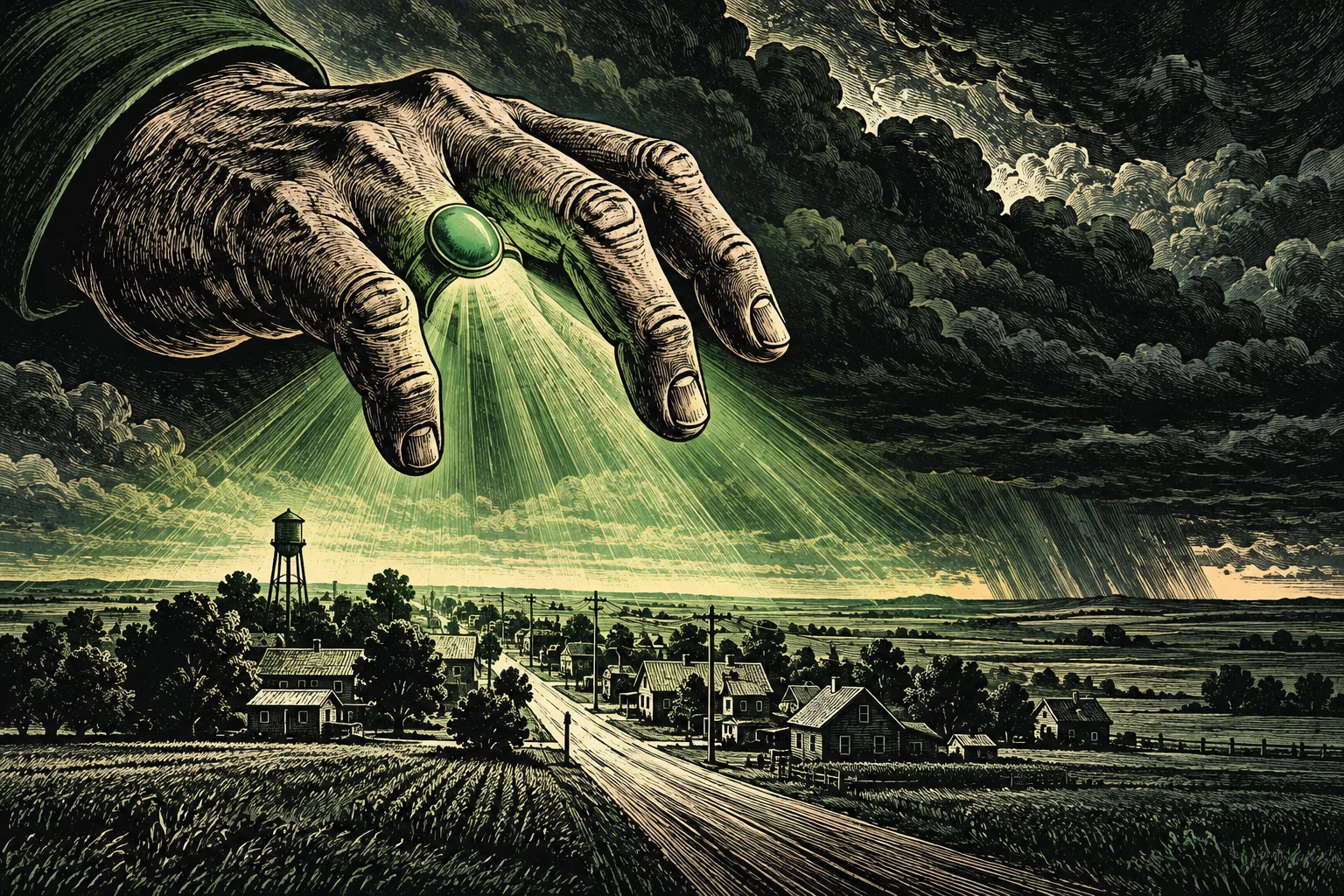
Rushville, 2016
The first of the two timelines starts with a mass shooting at a local football game in a small town in Nebraska. Hal Jordan (Kyle Chandler) is the current Green Lantern, a former pilot who has held the post, according to the show’s billing, for more than 20 years. He and his new trainee, John Stewart (Aaron Pierre), a former Marine sniper, join the investigation. Sheriff Kerry Kane (Kelly Macdonald) resents the intrusion. At first she sees nothing extraterrestrial in the case. Then the suspect, an alien, blows himself up. Hal’s ring limits the damage. The mystery survives the explosion.
What the two Lanterns find is a story of refugees. The dead suspect belonged to a group of aliens who survived a genocide on their home world. The killers were the Manhunters, beings the Guardians of the Universe built as a forerunner of the Lantern Corps. The Manhunters rose against their makers and most were destroyed. One survived, and is hiding in Rushville disguised as a human. The aliens’ leader, Antaan (Paul Ben-Victor), gives Hal and John 48 hours to find the Manhunter and give him up. If they fail, the town will be destroyed.
It is an old pattern, set among pickup trucks and Friday-night bleachers. An empire builds an instrument of order, the instrument turns, and the bill lands on people who never heard of either.
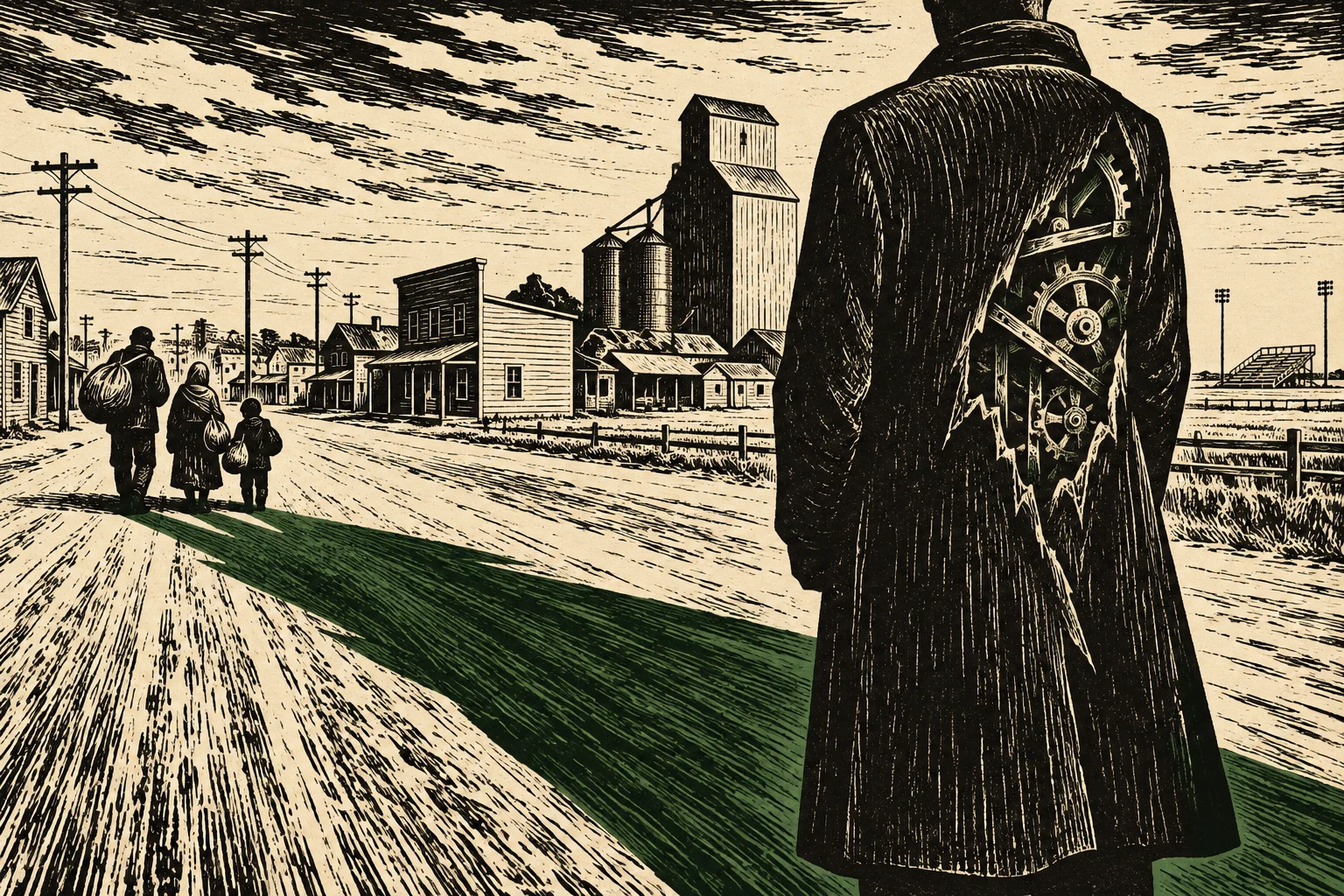
Rushville, 2026
The second timeline jumps a decade ahead. Hal Jordan is dead, murdered after coming back to Rushville as a social pariah, shunned for whatever happened there ten years before. In the second half of the season that killing becomes the main business: Stewart and the sheriff work together to find out who did it. The finale, titled “Dirt and Stars” and written by Chris Mundy, Damon Lindelof and Tom King, [aired on October 4](https://en.wikipedia.org/wiki/Lanterns_(TV_series)), eight episodes after the August 16 premiere. Ouellette keeps its secrets, and so does this piece. Readers who want the answer can find it in the rews account of the finale. IndieWire’s review called the episode “a dense, emotional finale that focuses on characters over spectacle.”
The ring and the heir
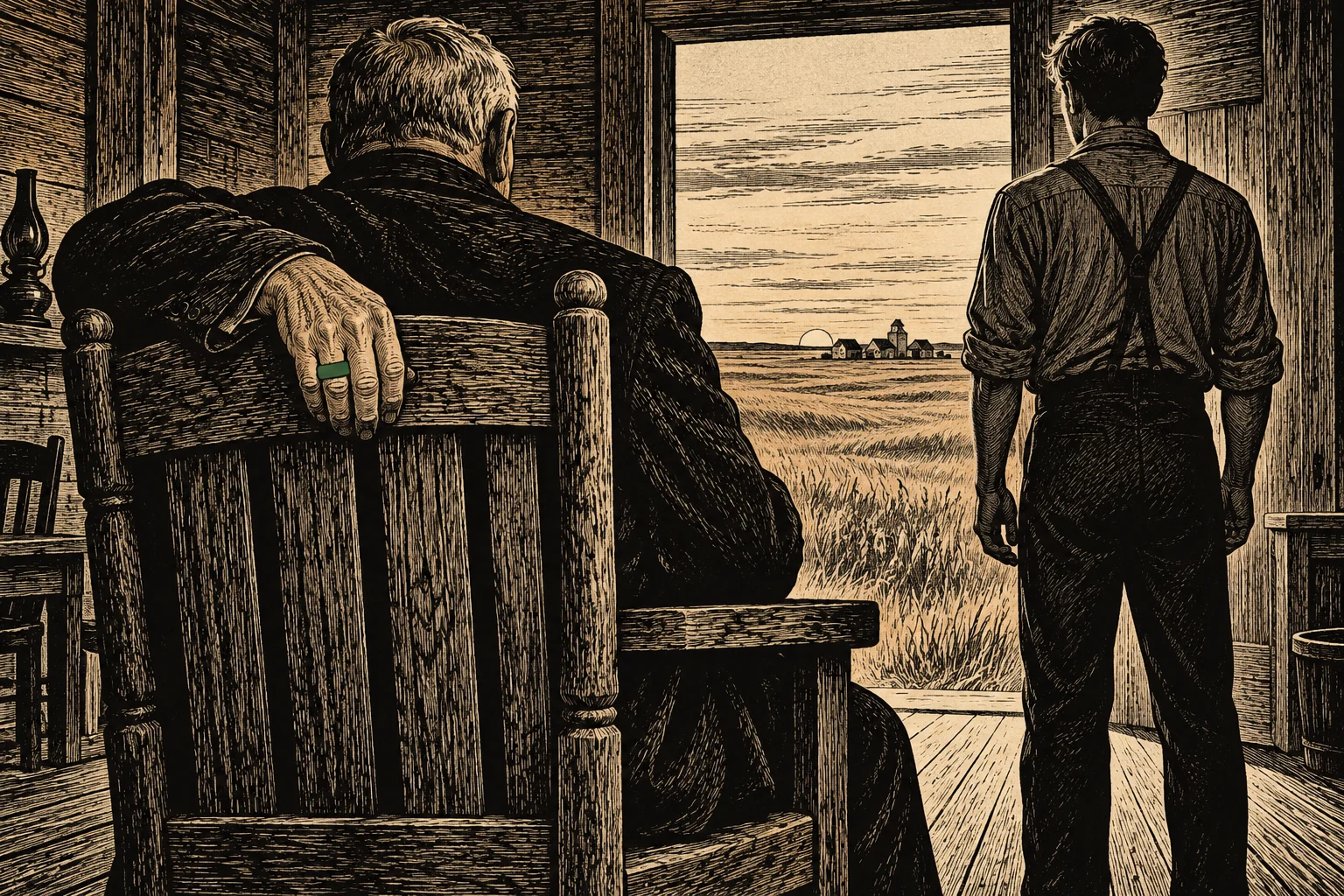
Mundy, the showrunner, has said one of the show’s main themes is knowing when a person should step aside and let a replacement take over. That tension runs through Hal and John’s partnership. Hal is arrogant and trusts his gut. John is controlled, disciplined and methodical. Hal will not give up the ring, and John wonders whether Hal still deserves it. Ouellette praises both leads and says each has substantial material to work with. Their clash has severe consequences, for the two men and for the town.
A reflection, offered as nothing more: the people who hold power seldom ask whether they deserve it. The ones waiting below ask it constantly. Neither question protects the town whose fate hangs on the answer.
The verdict of the crowd
Away from the screen, the series ran into a different kind of tribunal. After the third episode, which focused on John Stewart’s upbringing, his mother, and systemic racial inequality, a backlash followed, along with accusations of review bombing. Dark Horizons reported that the Rotten Tomatoes audience score had dropped to 72%. The Mary Sue noted that the show has the lowest score in the DCU franchise on that site even though it was a critical hit. It also suggested that some fans were cool on the series because it does not follow Green Lantern lore to the letter.
The audience that actually watched behaved differently. According to HBO figures cited by The Mary Sue, the series averaged 13.9 million viewers worldwide, and the finale drew 10.5 million in its first three days.
Critics have not been unanimous. Variety’s review found the show leaned too openly on True Detective and Watchmen. But the broad critical consensus, Ouellette’s included, credits the two leads and the nerve of a superhero story that spends its time on a sheriff, a grieving town and a man who would not let go.
What comes after
HBO has not announced a second season. Lindelof told The Daily Beast that those involved, “particularly and most specifically, Chris Mundy—don’t want to do it unless it’s going to be awesome.” So the ring has passed on screen. Off screen, the decision about who gets to carry it next still sits with the studio.