
The geography of a modern war is deceptive. It is fought on one side of the planet and paid for on the other — at the supermarket till, on the glowing board above the petrol station. So it was in Detroit, when the two men contesting Michigan’s seat in the United States Senate met on a debate stage and the first question put to them concerned the issue that appears to matter most to voters: the economy. As Al Jazeera’s Ali Harb reported from the hall, the Democrat Abdul El-Sayed did not reach for interest rates, taxes or trade policy. He reached for a war. In the reporting’s own framing: foreign policy is the economy.
His rival, Mike Rogers, carries the endorsement of President Donald Trump, and El-Sayed set out to make that endorsement expensive. The contrast he drew had little to do with the machinery of domestic policy. It was about the US-Israel war on Iran, which Washington entered in February and which has been leaking ever since into the price of everything Americans buy.
“Right now, the cost of gas, the cost of groceries, it all really goes back to this war in Iran,” the progressive Democrat said on Wednesday.
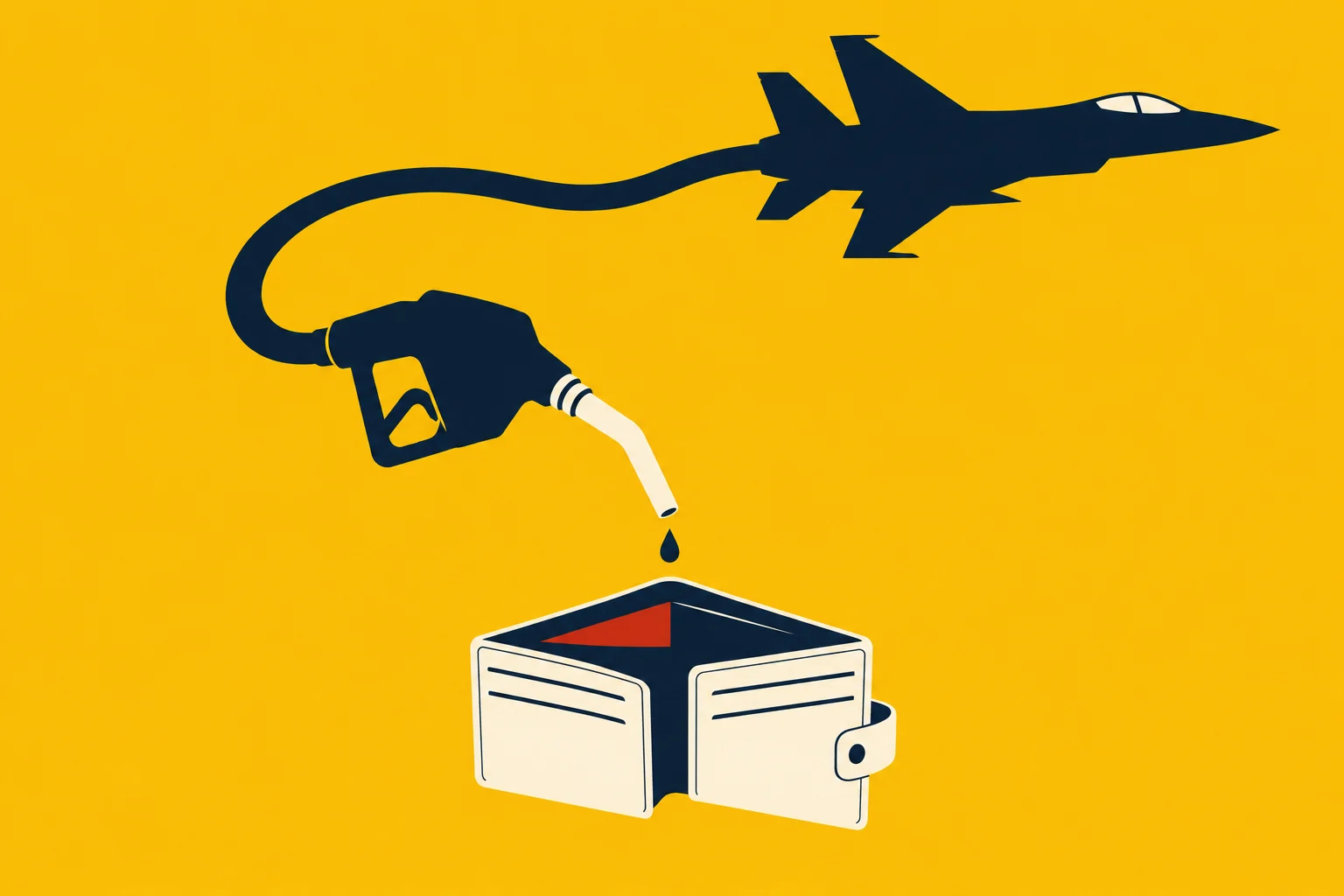
The arithmetic is unforgiving. Petrol prices have risen nearly 50 per cent and diesel by two thirds since the war began in February, according to The National. The Boston Globe dates the start of the war to 28 February and the real spike at the pump to mid-March — the moment, the paper notes, when Trump’s already lagging approval ratings began to fall further, and when a Democratic takeover of the Senate went, in the Republicans’ own polling, from long shot to entirely possible.
Saying the name
It is a measure of how far the argument has travelled that Rogers’ sharpest complaint was about a word. All his opponent did, he said, was say “Donald Trump” over and over again, CNN reported. El-Sayed countered by blaming the president’s decision to go to war with Iran for making the cost of living worse; the accounts of the debate describe him laying affordability squarely at the door of a war begun from the Oval Office. In their second debate, the two traded attacks on the economy, the war and each other’s character: Rogers argued that Michigan cannot bear the cost of El-Sayed’s progressive policies, Medicare for All among them, while El-Sayed painted the seven-term former congressman as beholden to the pharmaceutical industry and other powerful interests.
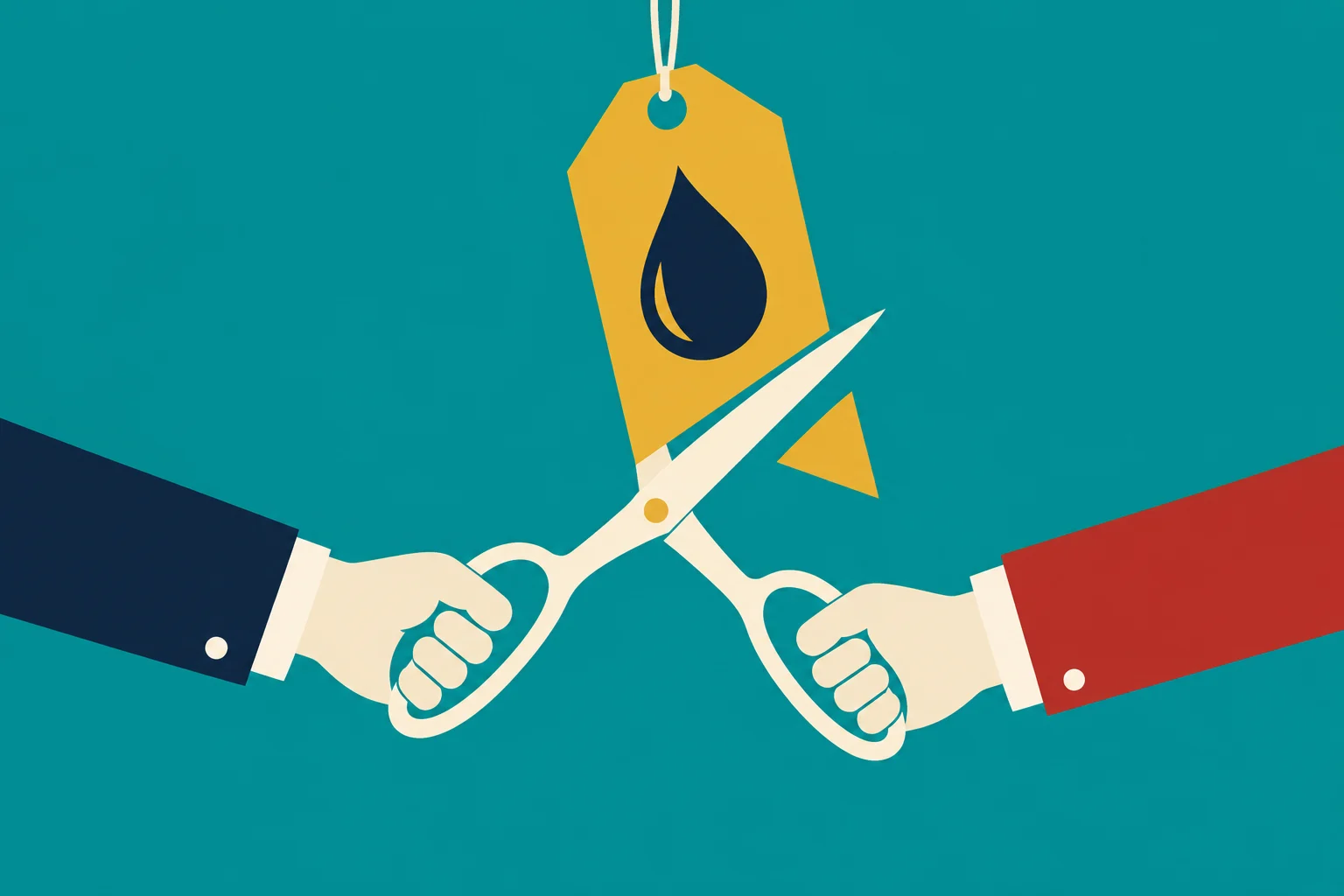
Beneath the noise there was one quiet act of agreement. The Guardian noted that both candidates say they support suspending a fuel tax to alleviate costs. The adversaries of the stage, divided on everything else, stand together at the same pump.
The bill arrives
The reckoning is scheduled for November. Democrats are now estimated to have an 85 per cent chance of winning the House, though flipping the Senate remains a significantly harder task, The National reports. The party has been preparing this ground for months: Iran International recorded as early as August that Democrats were sharpening their attacks on the president as fuel and household costs became an increasingly potent issue ahead of the midterms.
There is an irony in the turn of the wheel, and it belongs to Trump himself. He won the White House back in part over higher prices, and American voters have shown how exquisitely sensitive they are to them — just ask Joe Biden and Kamala Harris, Slate remarked. A president elected to lower prices then smashed, in that magazine’s phrase, the bright red “make gas more expensive” button — and may have handed his opponents the biggest electoral gift they could have hoped for.
Historians like to say that wars begun far away end by knocking on the door of the palace. In Michigan they knock more humbly — on the windscreen of a car at a petrol station, where a voter reads the numbers on the board, remembers February, and quietly does his own arithmetic about November. It is only a reflection, but the first question of that debate will be asked again on election day, and it will still be about the price of things.