
War produces many kinds of census, and Gaza now has one more. This one is kept by a human rights group in Geneva rather than by a ministry, and it counts children who have lost an arm, a leg or a hand. The Euro-Med Human Rights Monitor says that as of October 9, Israeli attacks had left 1,134 children in the strip with amputations. The group published the figure in a report on Wednesday, November 4, and Al Jazeera carried it that evening, rounding it to 1,100 in its headline.
The monitor’s complaint is about the months after the wound. Israel restricts travel out of Gaza, it says, and that includes medical evacuations. As a result, hundreds of these children cannot get to specialised treatment abroad, and that treatment does not exist at home.
Wartime counts rarely agree. In October the Gaza Herald reported a third-anniversary assessment it attributed to the same monitor. According to that report, about 21,000 children had suffered lasting physical impairments, more than 10,000 of them with at least one leg amputated. The November figure is far lower. The difference may come from different methods of counting. The coverage does not explain it.
Eight
Euro-Med drew on a World Health Organization report from May. Between September 2024 and May 2026, nearly 2,300 people who had lost limbs, adults and children, were assessed. Only around 500 of them were helped, fewer than one in four. Al Jazeera describes the 500 as having received permanent prosthetics. The Palestinian Information Center’s account of the same report says they received rehabilitation. On either reading, about three in four went without.
Then comes the number that sets the limit on all the others:
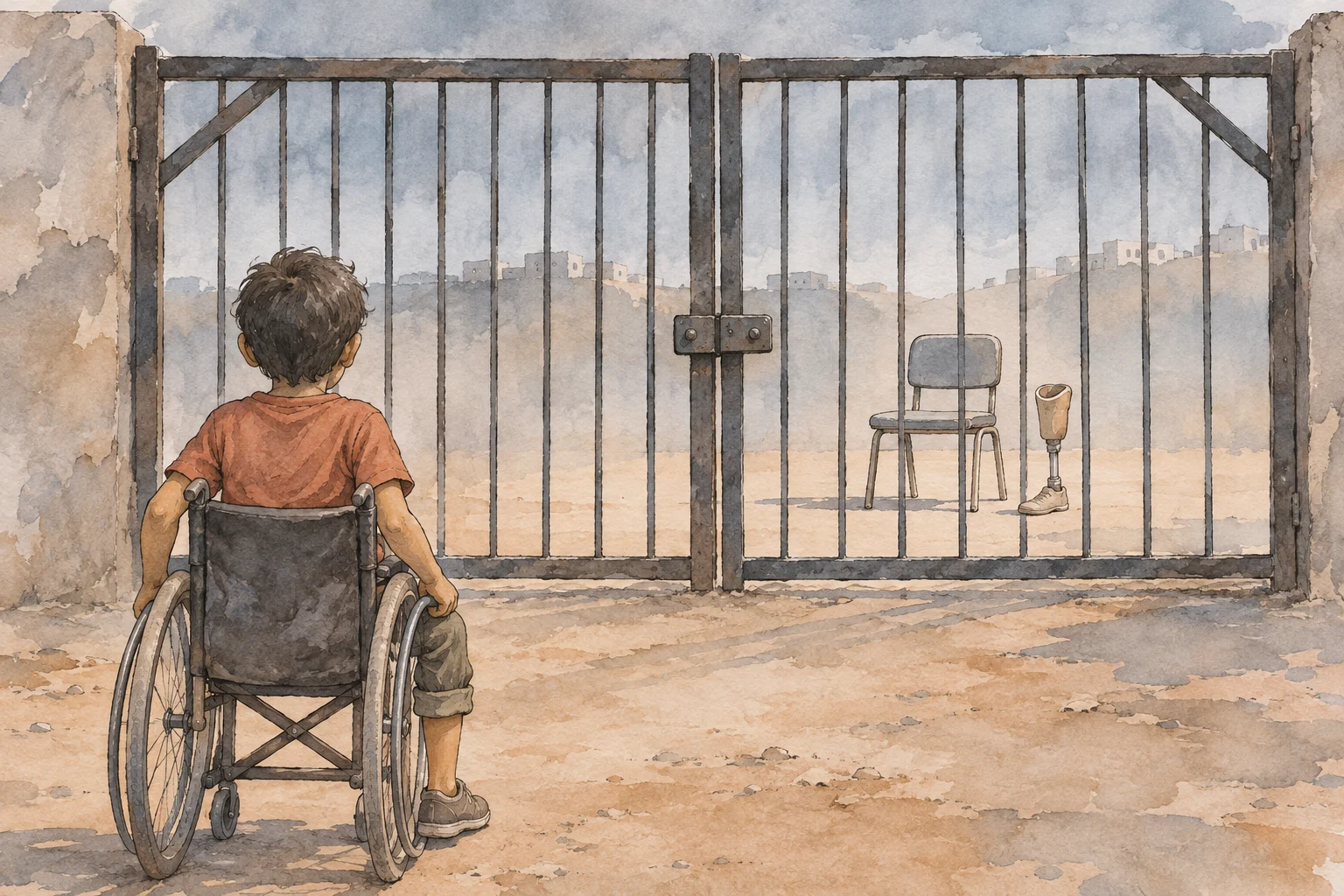
“Only eight certified prosthetics and orthotics professionals are currently available in Gaza.”
Eight specialists for more than a thousand children, and for the adults as well.
A child’s amputation cannot be treated once and then left alone, because the child grows and the prosthetic limb does not. The monitor warns that missed follow-up care and limbs that are not refitted as children grow “may cause further complications, chronic pain, and increased difficulty moving.” What the war does to these children does not end on the day of the injury. Every year of growth brings a new fitting, and every fitting needs a specialist.
The permit
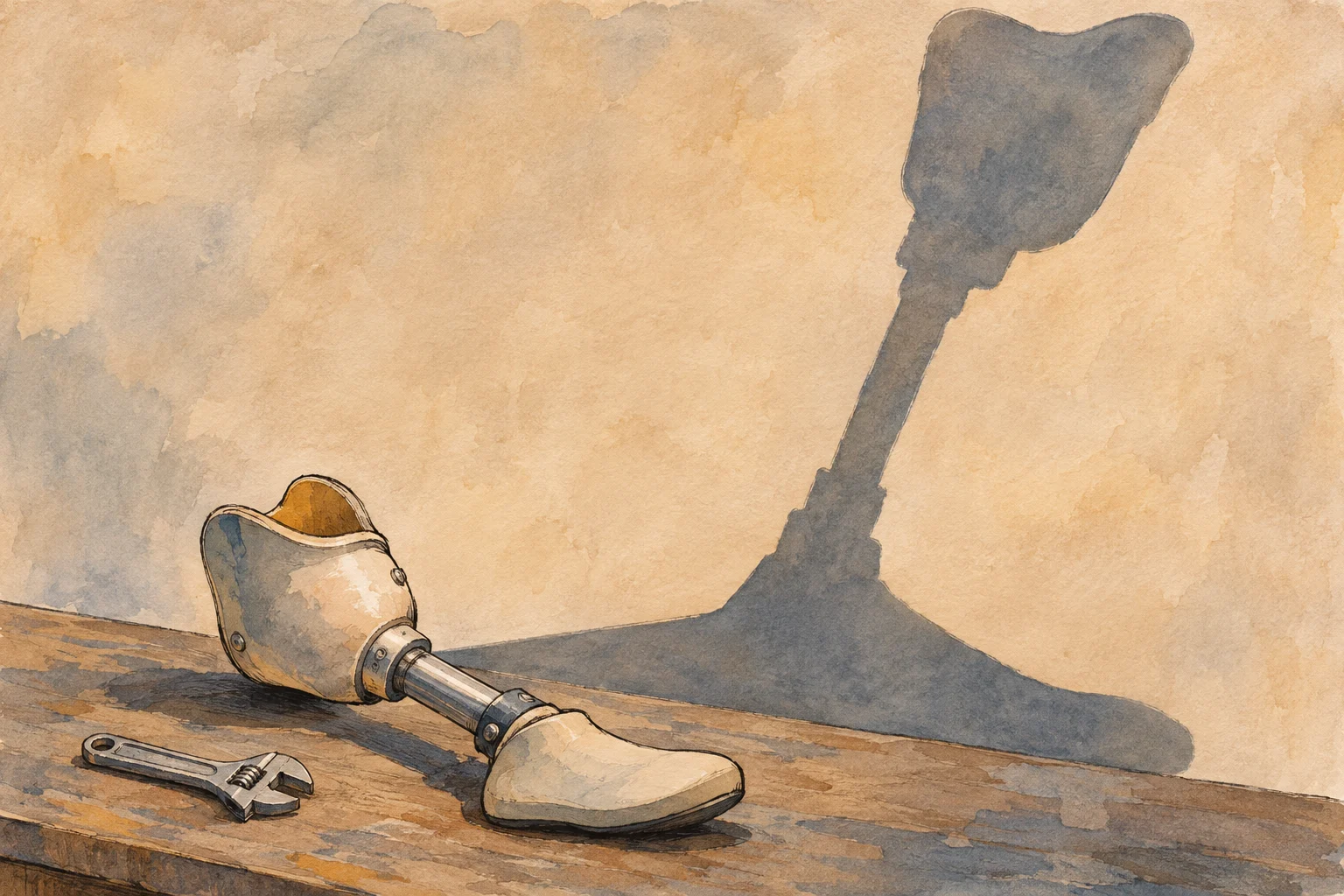
According to Euro-Med, Gaza lacks the equipment to manufacture, fit, maintain and adjust artificial limbs, and Israeli restrictions stop Palestinians from bringing it in. Specialist teams that could work in the strip and train local staff need entry permits first.
As the monitor describes it, the system is closed in both directions. The injured child cannot get out, the expert cannot get in without permission, and the materials cannot get through. One reflection seems fair here: a siege carried out through paperwork rarely has to say no. A permit that never arrives does the same work. Earlier this autumn, the crossings closed in the same week the food agency’s money ran out, and a Gaza doctor whose clinics had been destroyed went on working from a tent. These are the conditions in which the 1,134 are meant to recover.
The language of the convention
The monitor goes further than restrictions. It accuses Israel of war crimes and cites Article 2 of the Genocide Convention, which covers “deliberately inflicting conditions of life calculated to bring about its physical destruction.” In its words, “the amputation of children’s limbs and the obstruction of their treatment and rehabilitation form part of this pattern.” These are the organisation’s allegations, set out in its own legal framing.
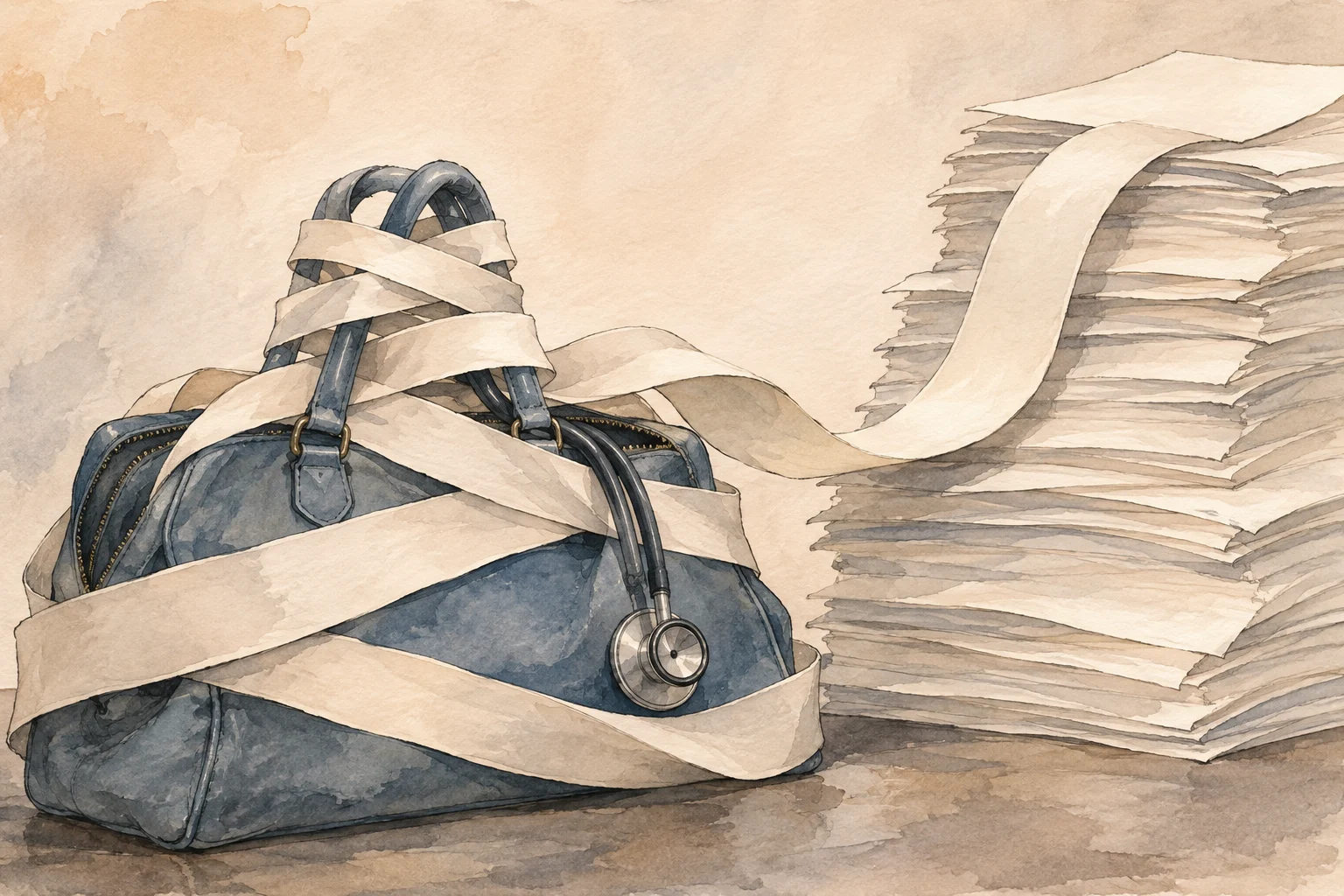
Its demands are practical. As the Qatar News Agency’s report in The Peninsula sets them out, Euro-Med urged international organisations to protect injured children and amputees, to secure regular humanitarian access to Gaza, and to press Israel to lift its restrictions on medical evacuations for children who need treatment abroad. Without urgent action, it warned, thousands of Palestinian children could face lifelong disabilities and fewer chances of recovery.
Two children
Al Jazeera illustrated its report with an Associated Press photograph by Abdel Kareem Hana, taken on February 26, 2025, at the Artificial Limbs and Polio Center in Gaza City. In it, a doctor adjusts the cover on the amputated right leg of five-year-old Sila Abu Aqlan, who sits in a wheelchair. The photograph is now some twenty months old, and in that time she has grown.
The report also gives the account of Fidaa Ahmad Al-Shaer, who is 36. Her son is eleven. An Israeli artillery shell struck near him, and he lost a hand and was paralysed. He needs several operations abroad and a prosthetic limb.
The crossings are closed, and he cannot leave.