
On the morning of Monday, November 2, the governor of Hebron, Khaled Dodin, told the people of two neighbourhoods that they could go home. The soldiers had left. For ten days, since the evening of October 23, Ein Deir Bahha and al-Jalda had been closed to the families who lived there, and now, as the governor announced, Palestinian security forces had taken over the area again. An Israeli military official confirmed the withdrawal the same day, France 24 reported.
About 3,300 people went back, according to Awad Al-Rajoub, reporting for Al Jazeera. They found houses razed, doors blown off their hinges, belongings smashed.
The ten minutes
It began with a shooting. On October 23 two Israeli soldiers were killed in the city. The two Palestinian suspects were killed too. What followed was a familiar arithmetic of occupation: two attackers, and then hundreds of families who had nothing to do with them, sent out of their homes carrying whatever they could hold. No one was allowed back. By October 25, as rews reported at the time, more than 2,670 people had been displaced and some of their houses had become barracks.
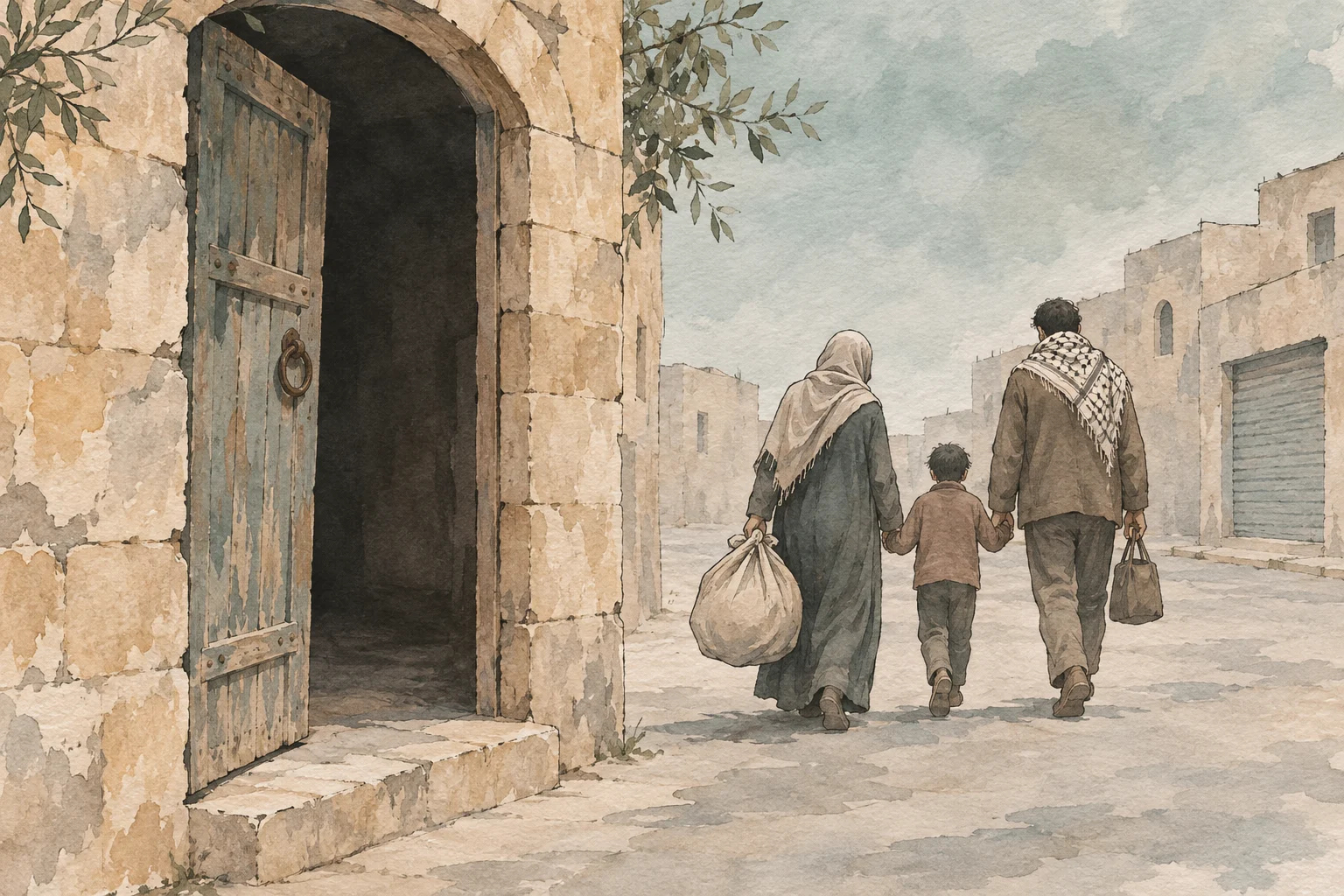
Samer Mujahid lives near the al-Jalda roundabout. Soldiers gave him ten minutes to get out with his children, he told Al Jazeera. When he asked for more time to gather clothes, he said, a soldier answered:
“If I return to you after 10 minutes and you have not left, I will break your legs.”
He said he was displaced for 18 days, a figure longer than the ten days most reports give for the siege itself; Al Jazeera did not explain the difference. Even the length of the operation is not agreed: Drop Site News counted eleven days, most likely starting from a different day.
Fahd Ahmaro, from the Khallet al-Maghariba area, said the siege scattered his family across four different neighbourhoods of the city. “We were driven out of our homes and houses. Words cannot describe what happened,” he said. He called it an unbearable hell, and he thanked God for bringing them back to what he called their paradise. In his part of town, some homes were destroyed outright; in others the doors had been blown in and the contents broken.
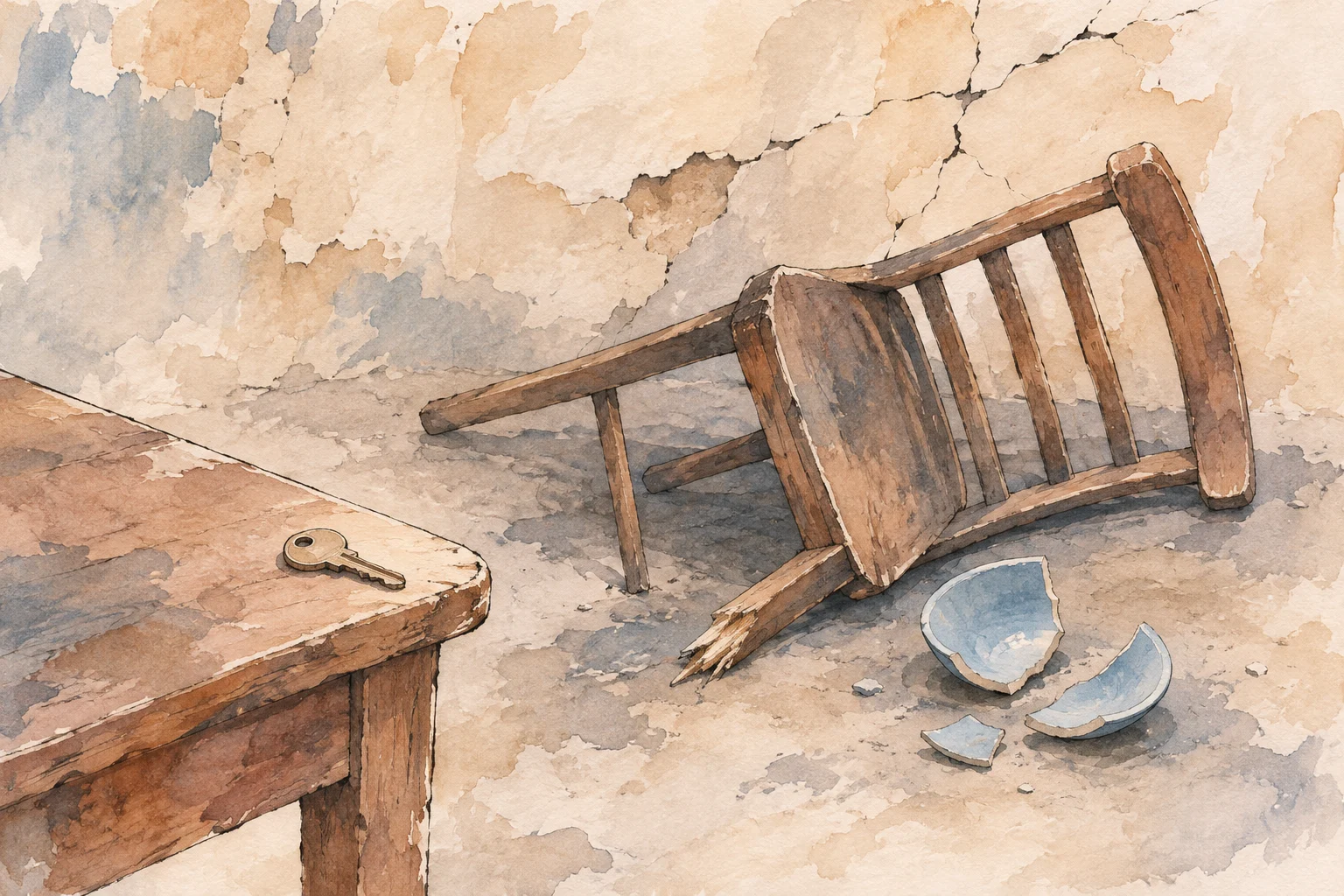
A reflection, not a finding: an army does not need to destroy a whole city to teach it something. It is enough to take a few streets, empty them, keep them for ten days and give them back. The lesson stays in the broken furniture, and everyone in the next street has learned it too.
The ledger
The Hebron municipality and local bodies have started counting. Fifteen facilities were demolished, among them three homes, two of which belonged to the suspects in the soldiers’ killing. At least 327 shops were closed. Around 80,000 students missed school while the neighbourhoods were sealed. The municipality puts direct economic losses at more than 12 million shekels ($3.8m) a day, so well over 100 million shekels across the ten days if that rate held. Damage to infrastructure came to more than 6 million shekels ($1.9m), and the health and environmental sectors lost 500,000 shekels ($158,146).
The figures for the displaced do not all agree. The Support and Relief Committee of Hebron Governorate counted about 537 families, close to 3,300 people. Other reporting cites the municipality with lower and higher counts. Whatever the exact number, it was thousands of people sent out of their homes because of one shooting.
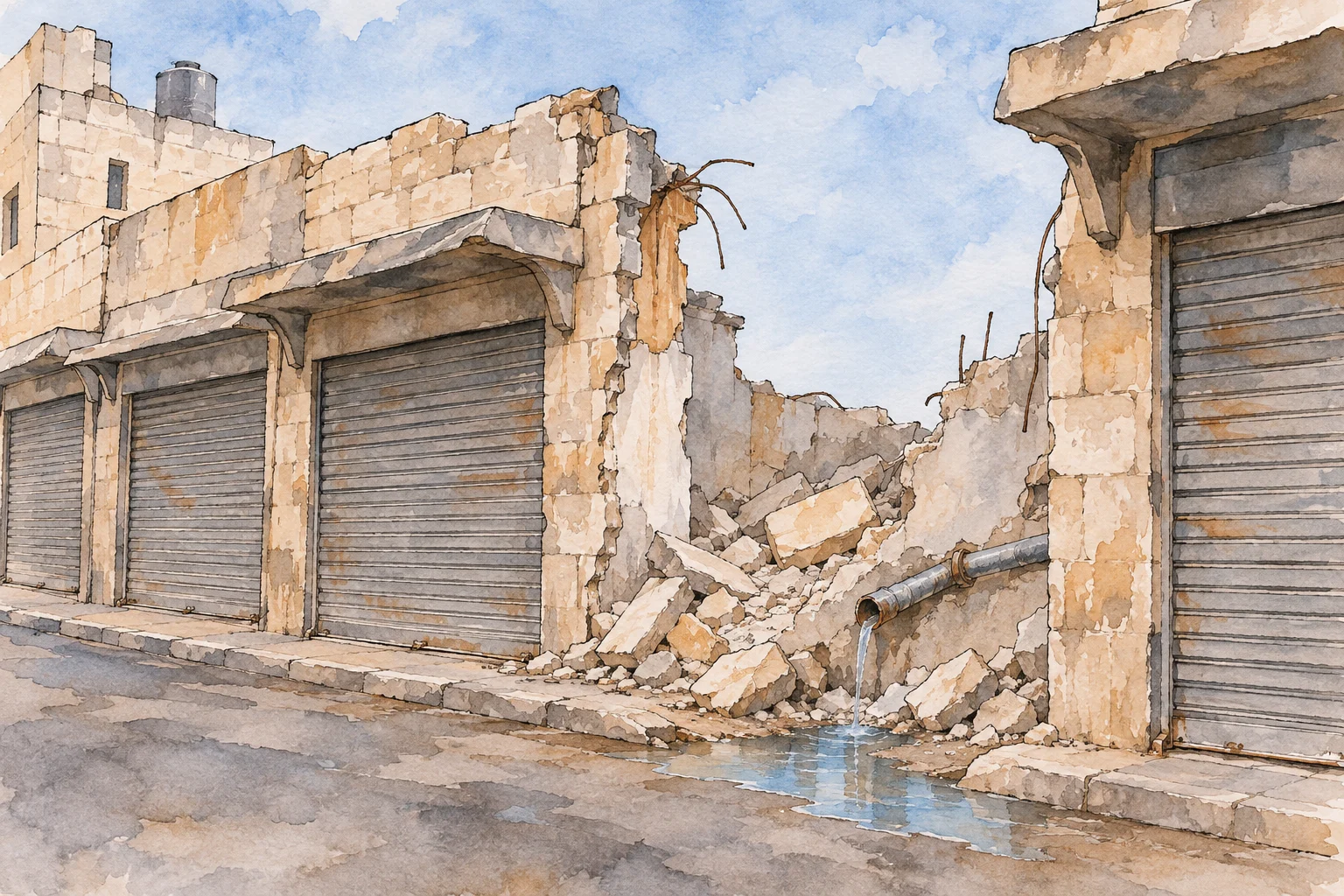
The Support and Relief Committee has sent a field team to assess damage to public and private property. Muammar al-Awiwi, a member of the municipal council, said power keeps failing in the affected areas and water comes and goes. Some of those who came back cannot live in their homes at all, he said, because of bombing or because the army deliberately destroyed furniture, bedrooms and bathrooms.
“The tragedy is great,” he said.
After the soldiers
The withdrawal did not end the bulldozing. On November 3, the day after families started returning, Al Jazeera published a photograph of Israeli forces guarding excavators as they demolished Palestinian mechanics’ workshops near Hebron. Another of its photographs, from November 2, shows a boy making a victory sign as his family walks back into Ein Deir Bahha.
Hebron did not suffer this alone. During the same days Israel sealed the West Bank crossings while the city stayed locked down, and the emptied neighbourhoods brought to mind the camps of Jenin, Tulkarem and Nur Shams. Those camps are still waiting for their residents to come back. In Ein Deir Bahha and al-Jalda people have come back, but the bathrooms are broken and the water is unreliable. The power goes out in the evening, and the shops will reopen once their owners can afford to repair them.