
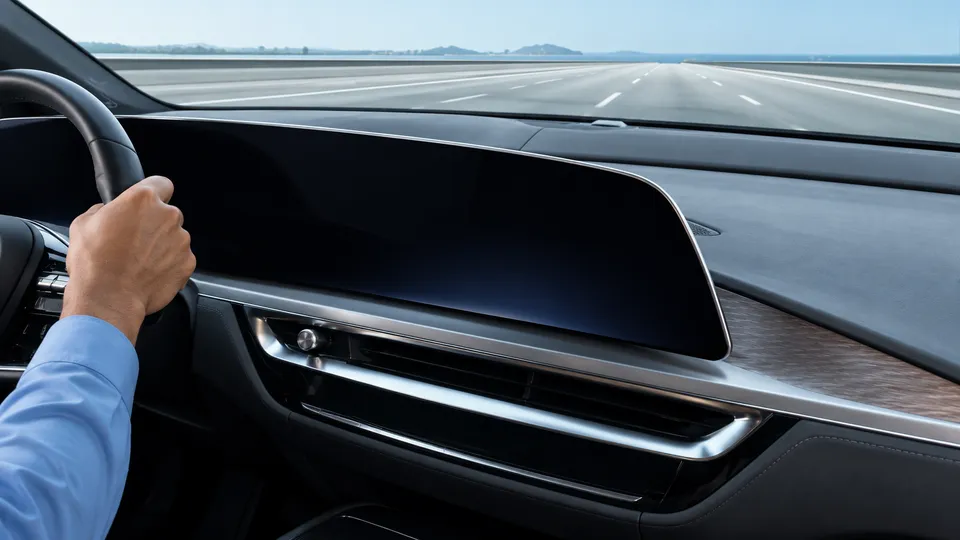
First the car learns the road. Then it learns the household: the restaurant someone likes, the child waiting after practice, which parent is closer. At General Motors, the proposed journey from electric vehicle to autonomous assistant passes through a more difficult territory than a highway. It passes through permission.
At this year’s GM Forward event, the company reaffirmed its commitment to electrification, autonomy and better vehicle quality with shorter development times, according to Chad Kirchner’s reporting for Ars Technica, published October 22. Against the expiration of the US electric-vehicle tax credit and a hesitant domestic industry, GM described a future in which the car would undertake more of its owner’s business.
Executives said hands-off, eyes-off Super Cruise technology would extend to nearly every vehicle in the lineup, including pickups and crossovers, beyond the Escalade IQ application announced last year. These are plans, not a statement that every such vehicle can already drive without supervision. GM’s product chief, Sterling Anderson, said testing across virtual and real-world environments was running at 1 million miles, or 1.6 million kilometres, a month.
The household inside the machine
The newly announced OnStar AI would help turn that ambition into everyday services. Anderson offered a hypothetical evening: someone leaves work late; the car remembers a favoured restaurant and offers to place a takeout order, ready for collection on the way home. He distinguished this from an Optimus-style robot doing laundry. His proposition was to expand the duties of something people already use.
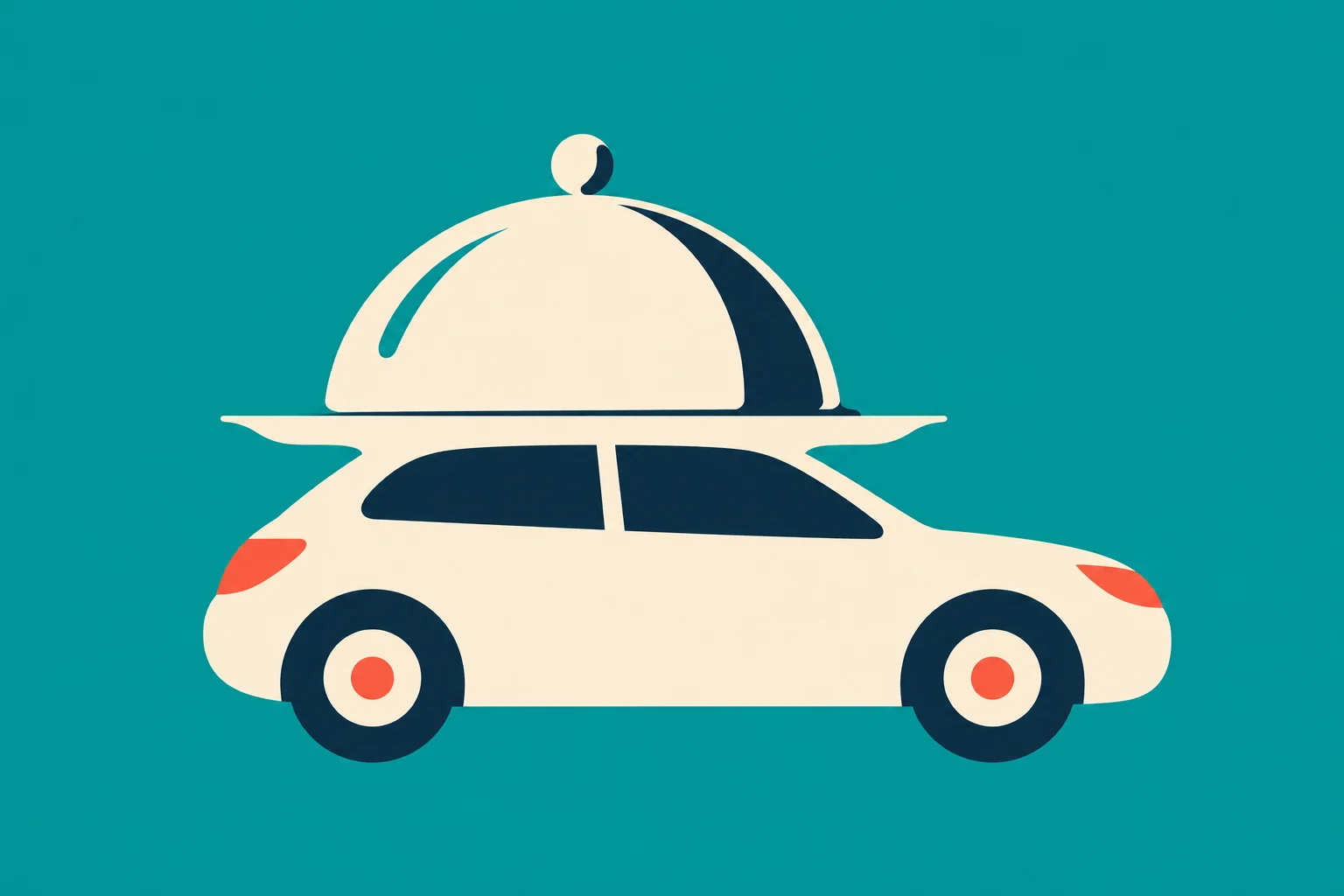
“People have a relationship with their cars that they don’t have with other things,” Anderson told Ars. He suggested that a restaurant recommendation might feel intrusive from a phone yet acceptable from a car when offered in the appropriate context. This is GM’s wager about intimacy: familiarity with the machine might make its suggestions welcome.
The assistant would also explain the vehicle itself. A driver puzzled by a beep could ask what happened and receive an explanation—perhaps a speed-limit warning. GM’s claim is that AI trained specifically on the car’s details can be integrated more closely than a general-purpose system such as Google’s Gemini. Computing hardware announced at the previous year’s Forward would allow much of the processing to happen locally, without a cloud connection.
A connection could nevertheless bring additional information. Automakers and suppliers have long proposed warnings assembled from other vehicles’ experiences: traction-control activations ahead, for instance, could warn a following driver about a snowy stretch. Another hypothetical placed two GM vehicles inside one family’s arrangements. If one parent was late collecting a child, OnStar AI could identify the nearer spouse, exchange their tasks and send the other parent for dinner. Keeping the household within GM’s own ecosystem is part of the proposition.
Who holds the record
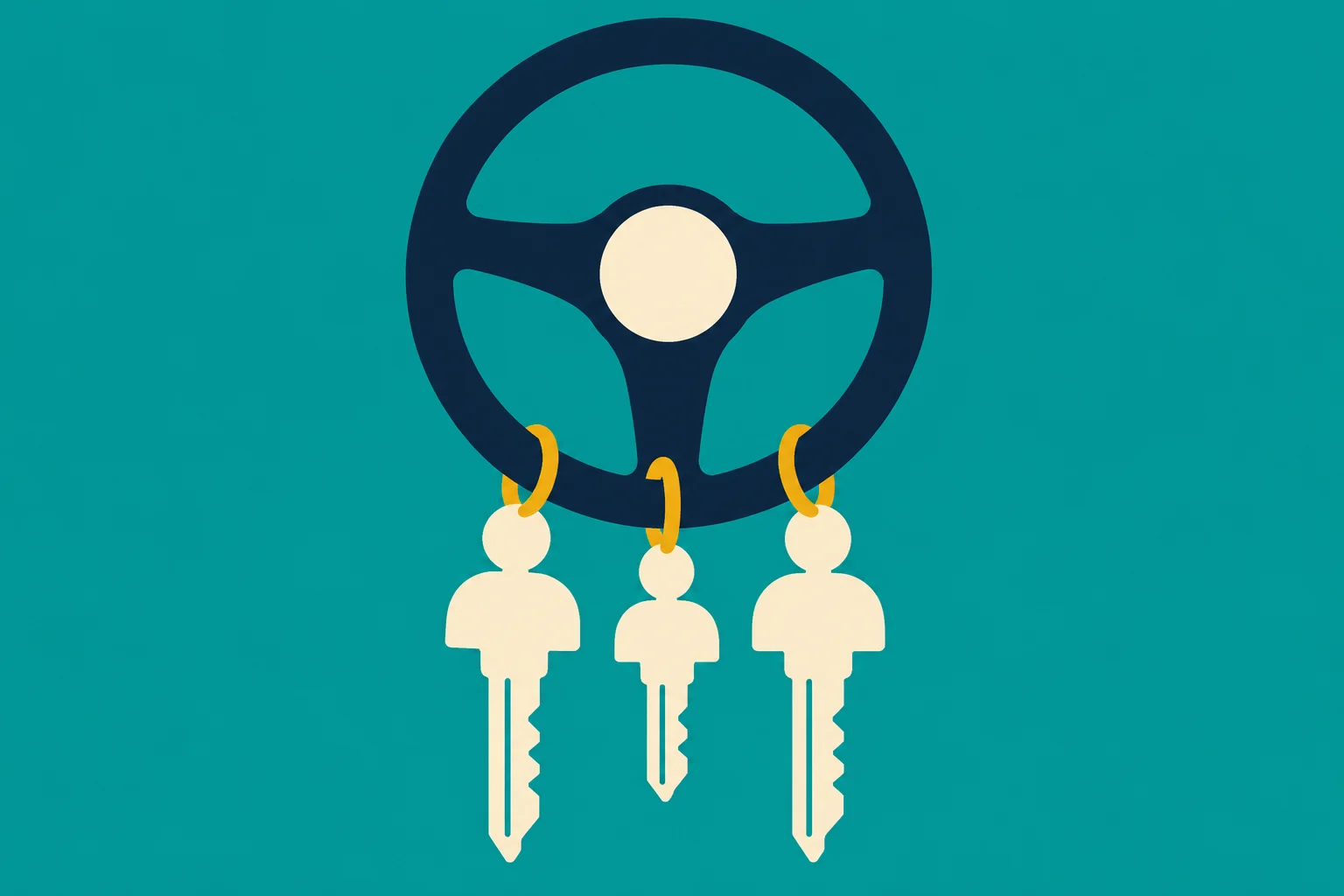
There is a history behind the request for trust. Ars recalled that GM had been found selling customers’ driving data to insurance companies, often without their knowledge. The proposed assistant would enter still more personal territory: habits, journeys and family coordination.
Anderson said trust had to be earned and was difficult to recover once broken. He offered a specific safeguard: the new infotainment system would record and store camera footage as a dash cam, with an option to upload it for access elsewhere. He said those uploads would be end-to-end encrypted, leaving GM unable to read them on its servers or decrypt them for law enforcement. That is a promise about this video system; it does not establish how every other category of customer data would be handled.
Safety, and the conduct of traffic
For the eventual Level 4 autonomous technology, Rashed Haq, GM’s vice president of autonomous vehicles, gave Ars two tests: “safety and roadcraft.” Safety encompasses occupants and the public, with millions of miles of physical and digital testing. GM cannot rehearse every possible encounter; Haq described combining training data with an open vocabulary to interpret situations and decide how to drive.
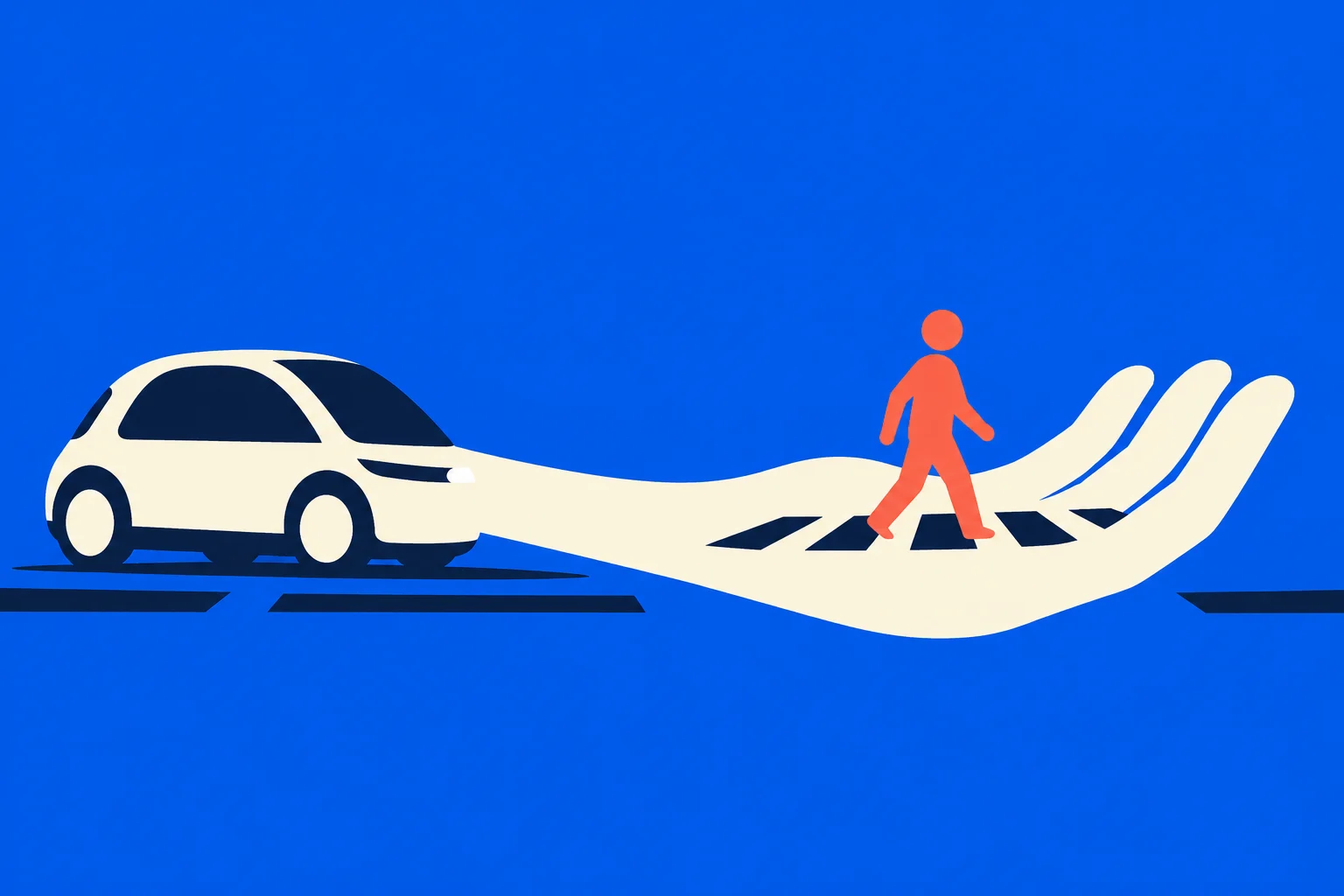
He also reiterated GM’s expectation that responsibility would fall on the company and its computer if a malfunction caused something to go wrong while the computer was driving. Roadcraft concerns the surrounding traffic: avoiding a vehicle that protects itself while obstructing everyone else. GM wants to avoid the street-blocking clusters seen in videos of Waymo vehicles.
The imagined uses remain conditional on that technology maturing. A car might collect dry cleaning if someone brought the clothes outside and loaded them. A parent and child might sit together in the back on the school journey. No date in these accounts turns those possibilities into an available household service.
The battery beneath it
GM also announced a fourth-generation EV architecture based on lithium manganese-rich, or LMR, batteries. As Ars described the promise, the chemistry would approach nickel-manganese-cobalt energy density without expensive cobalt, while bringing costs closer to lithium iron phosphate cells. The projected battery saving was 30 percent.
That could widen the range of EVs GM can offer and create room for cheaper models, including something in the territory of the now-limited-run Bolt. Affordability remains an intended consequence, not a price list. Beneath the proposed assistant, beneath the autonomous computer, GM still has to build a car that people can buy.