
With the midterm elections 11 days away, President Trump’s approval rating has fallen to the lowest of any president heading into a midterm since Harry S. Truman, and the reason, the Boston Globe political reporter James Pindell wrote on Friday, can be read off any gas station sign.
Affordability has been the top issue of the campaign for months, a catch-all that can stretch from mortgage rates to wages to egg prices. But for most Americans, Mr. Pindell argued, the most visible daily measure of it is the price posted at the pump, and polling this year shows a direct correlation between gas prices rising and Mr. Trump’s approval falling.
The slide traces to Feb. 28, when the president joined Israel in a war against Iran. The move, Mr. Pindell noted, came without public explanation or a debate in Congress, and it is still running nearly eight months later. Oil prices spiked and have kept rising, with Russia and Ukraine bombing each other’s energy facilities adding pressure. Diesel costs more, too, and diesel powers farm equipment and moves goods around the country, pushing the price of everything past levels already raised by inflation.
The turn came in mid-March, he wrote, weeks into the war, when the spike in gas prices took effect and Mr. Trump’s approval, already lagging, fell further.
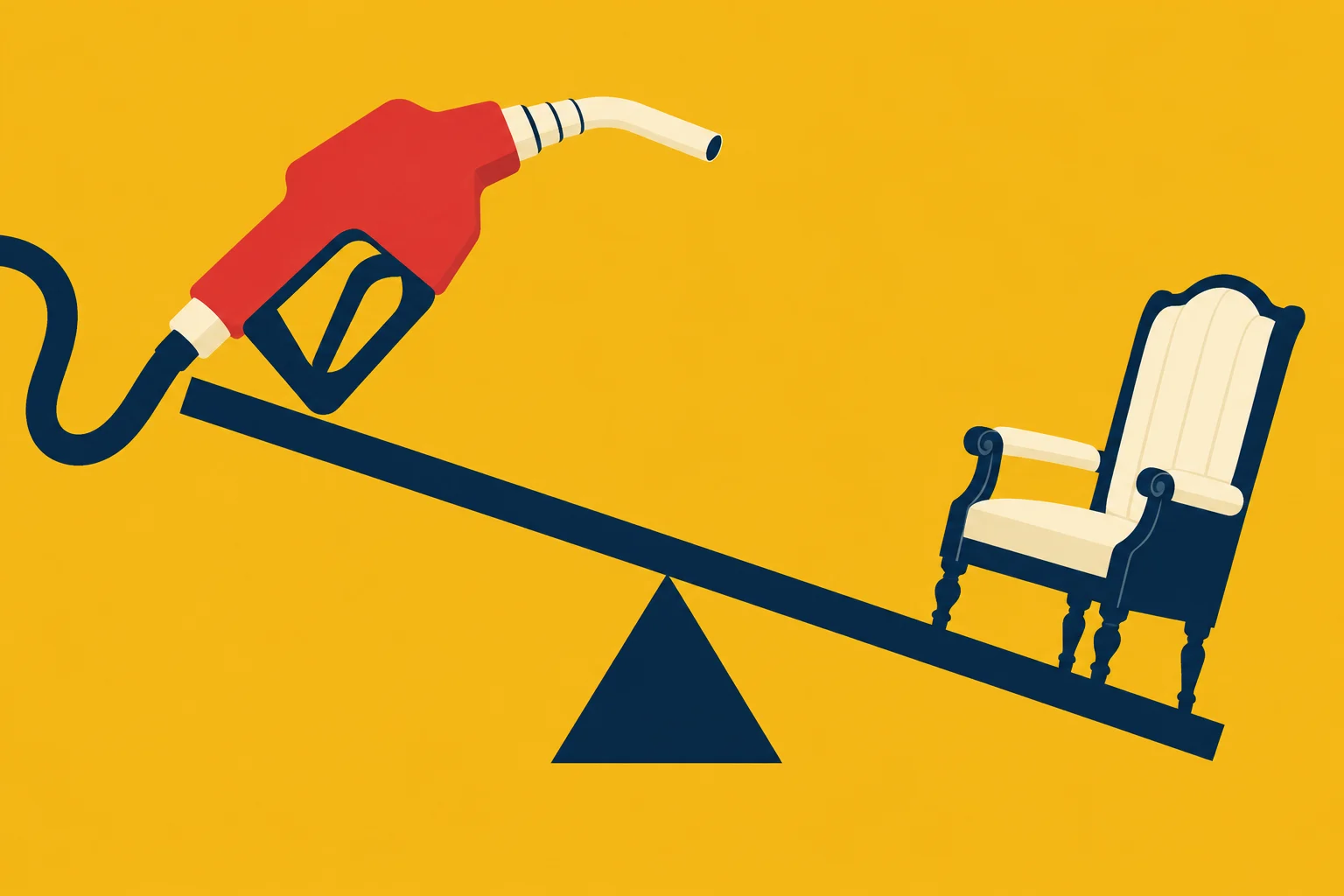
Republicans began the year expecting to lose the House, which they hold by a handful of seats, while a Democratic Senate takeover looked like a long shot. Not anymore, Mr. Pindell wrote: a flip is now entirely possible. Republican candidates are answering with social-issue appeals, efforts to brand Democrats as socialists and talk of suspending gas taxes.
Last week Mr. Trump struck a deal with President Vladimir Putin of Russia to buy Russian diesel — a purchase barred, for other countries, by a law Mr. Trump himself had signed. One analysis found it lowered prices by four cents for a single week, but, as Mr. Pindell wrote, the symbolism was the point.
In Maine, Senator Susan Collins, a Republican facing a difficult race, has said she persuaded the Trump administration to release more home heating oil reserves in the Northeast, where prices had spiked by more than 70 percent from a year earlier.
High pump prices have foretold midterm waves for the party out of power in 1974, 1978, 2006 and 2010, though those years carried other drivers, from Watergate to the backlash against the Affordable Care Act. This year, Mr. Pindell wrote, has just one. His summary of the last 10 months: “It’s gas prices, stupid.”