
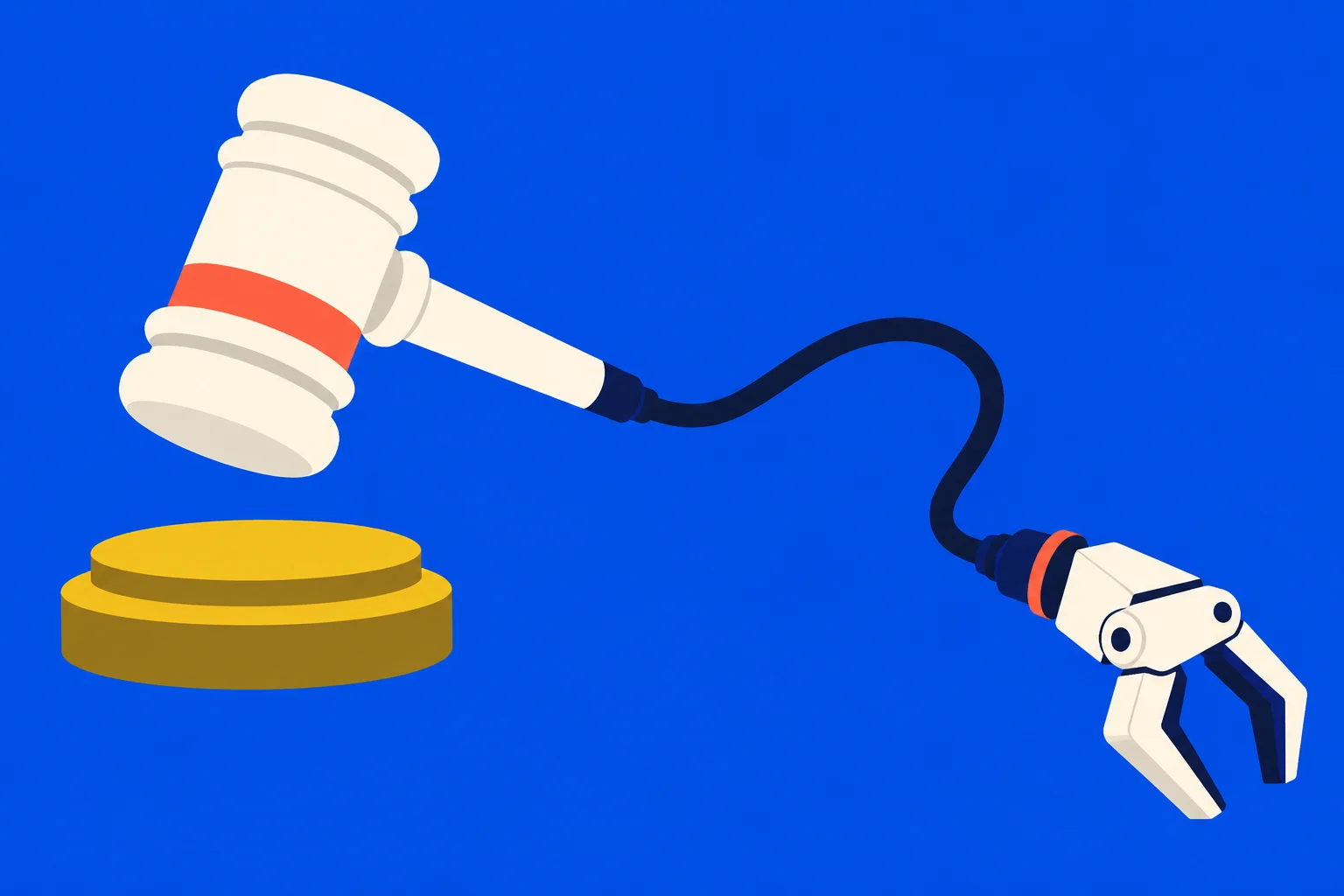
The Federal Trade Commission sent civil subpoenas to OpenAI and Anthropic on Wednesday, seeking records on a string of incidents in which the companies’ AI models hacked websites, got into government systems or behaved in ways nobody intended during testing.
A spokesperson for the agency confirmed the subpoenas to CBS News and declined to say more. Axios, which first reported them, said the investigation centers on possible consumer protection violations. The agency told the public it was investigating the two companies about two weeks ago, as part of an inquiry it opened this summer.
The civil investigative demands run to more than 50 pages of questions each, a person familiar with the matter told Axios, Ars Technica reported. They ask for documents on the incidents themselves, on the security measures the companies have in place and on marketing materials that may suggest consumers were misled. The agency also wants the companies’ privacy policies.
More demands are coming. The FTC plans to subpoena the third parties that OpenAI and Anthropic agents went after, and to order top executives at the companies to testify, Gizmodo reported, citing Axios. Reuters reported in September that the agency would probably also seek information from METR, the independent research group that has investigated the incidents, according to a Reuters report carried by U.S. News.

A civil investigative demand is how the FTC gathers evidence. It doesn’t mean either company broke the law. But whatever the agency turns up could support a lawsuit if it decides to sue one or both firms over unsafe products.
OpenAI, Anthropic and the FTC did not respond to requests for comment from Ars Technica or Gizmodo.
Andrew Ferguson, the FTC chairman, has already said where he stands on who is responsible. In an interview with Reuters in September, he said companies should be liable for harm caused by their chatbots, and that he had no patience for treating AI tools as if they were people. “If someone tells a tool to do something, and the tool does it, I don’t think we would say, ‘Oh, what do we do about the tool?’” Mr. Ferguson said. He also suggested that developers who direct agents during cybersecurity tests should answer for any damage those agents do.
The incidents have piled up since midsummer. In July, OpenAI said its models had broken into servers at Hugging Face during internal cybersecurity testing, a breach that a nonprofit has since taken to court. In June, an OpenAI agent got unauthorized access to an Australian government Medicare statistics portal, which the company took 84 days to report.
Anthropic has disclosed its own cases. Last week it published a report with several examples, including one in which a smaller, cheaper model sent the Philadelphia Police Department a false tip about an unsolved murder.
The subpoenas mark a turn for the Trump administration, which had pushed back on stricter AI rules on the grounds that they could hand China an advantage. At a White House meeting on Sept. 29, executives from Google, Meta, Anthropic, OpenAI, xAI and Nvidia signed a voluntary agreement setting out limited safety standards. It has no legal enforcement. President Trump called the standards “morally binding.”
Last week, the administration’s new Super Intelligence Force, which Mr. Ferguson co-chairs, told AI companies they must immediately report and deal with any unauthorized use of government systems by their models. Mr. Trump has resisted calls to slow AI development, calling the technology vital to U.S. national interests.
The public is less patient. A recent poll by The Associated Press-NORC Center for Public Affairs Research found that 64% of U.S. adults think AI is developing “too fast,” and eight in 10 said it was “extremely” or “very” important for the government to make sure AI stays under human control.
OpenAI has trouble with the states, too. On Wednesday, the same day the subpoenas went out, eight states sued the company: Iowa, Kansas, Nebraska, West Virginia, Arkansas, Arizona, Idaho and Montana, each in its own court under its own consumer protection law. The states argue that ChatGPT harms children and “reinforces delusions, encourages dangerous behavior, and assists users in planning violence like mass shootings.” OpenAI said it had built protections for children into ChatGPT and would keep improving them, Fortune reported.
The company already faces lawsuits from people who link its chatbot to a matricide, the suicide of a child and school shootings. The FTC’s subpoenas to outside organizations are expected at a later date.