
In November 2023, protesters spray-painted the Rome headquarters of Leonardo, an Italian arms manufacturer with ongoing contracts with Israel. The idea had come from Scotland. That same month Palestine Action, a British group, had protested at Leonardo’s factory in Edinburgh, and the factory was shut down. One act of paint and trespass in one city had been copied in another, almost at once.
“The first movement, where, in Italy, we felt we needed to do something,” is how Luca, a representative of Palestine Action Italy, described that moment to Laura O’Connor of Al Jazeera, who has traced how the group’s methods spread.
A reflection, offered as reflection only: a government can strike a name off the legal map, but it cannot strike out a method. Britain proscribed Palestine Action as a terrorist organisation in July 2025. By then the method was already abroad.
The namesakes
Groups calling themselves Palestine Action now operate in Italy, the Netherlands, Ireland, Spain, France and Canada. In the Czech Republic and Germany, groups that do not use the name but use the same direct-action tactics have formed. Huda Ammori, Palestine Action’s cofounder, said: “The direct action movement is growing across the world.” She described the sites that supply weapons as “pressure points which ordinary people can disrupt.”
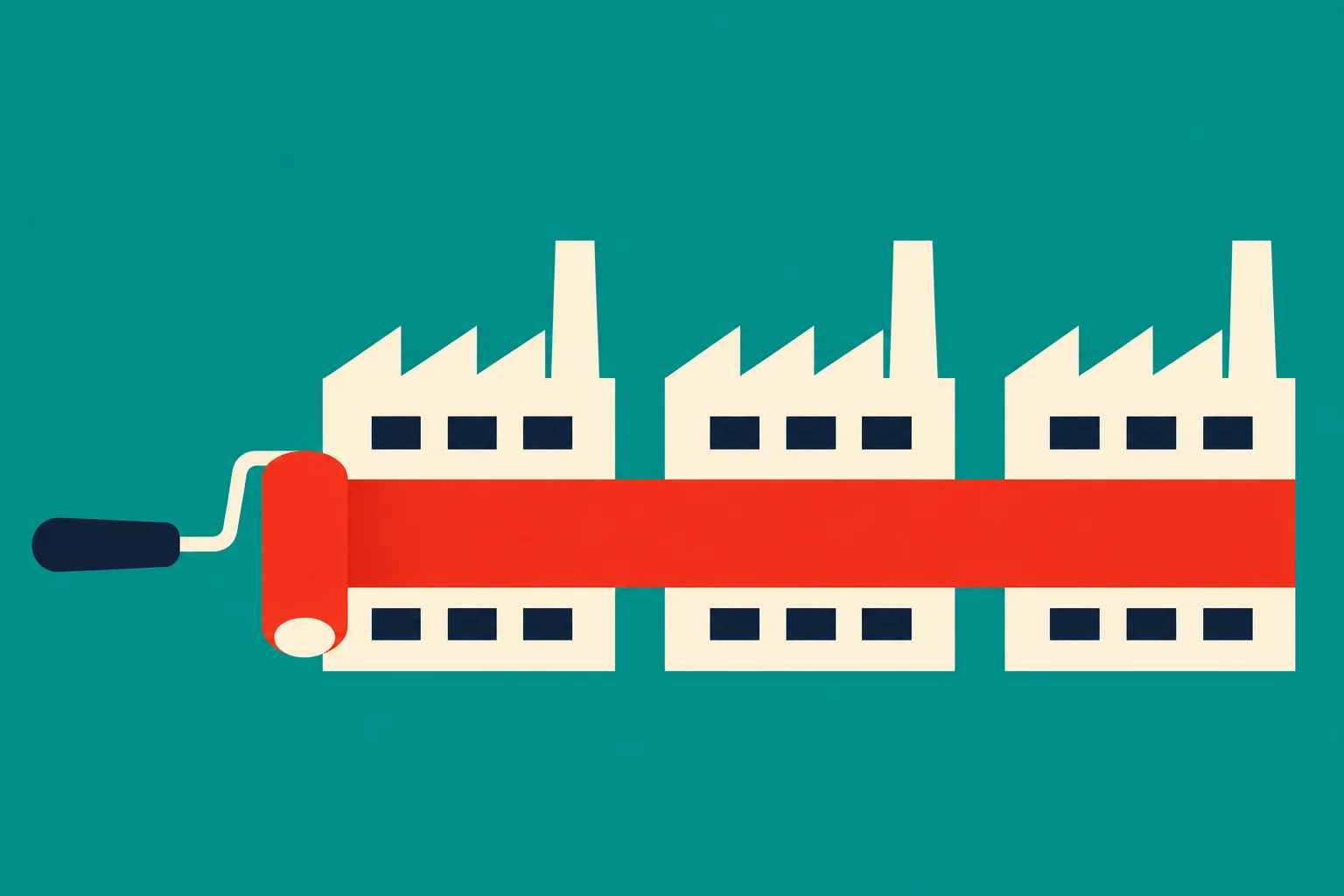
The Italian group has gathered tens of thousands of followers on social media. It has occupied Leonardo facilities several times and runs direct-action training together with other European groups. Luca’s account of the arithmetic is blunt: “They are creating weapons, we are destroying them.”
Three small boats
In Italy the action has also moved to the water. Last month activists from Global Sumud Flotilla Italy, which tries to intercept ships carrying arms-related cargo at Italian ports, set out in three small boats to stop the Sundaid X, a container ship with military cargo aboard. The group said the cargo was bound for the Sigonella naval air base and drone hub, which it called “a primary logistics pipeline for US military operations.” Police detained the activists for disrupting public order.
A spokesperson identified only as “M” named Extinction Rebellion and Palestine Action as influences, said Italian activists “know them very well”, and read the arrests as evidence of effect: “We are disturbing them.”
Les Ulis
Last week, in Les Ulis, south of Paris, more than 20 activists blocked the headquarters of Safran Data Systems. Several employees were evacuated and work was disrupted for nearly three hours. The parent company, Safran Electronics and Defense, makes parts for fighter jets and has worked with Israel’s Rafael on sensor technology since 2021. In 2022 a Rafael representative said the technology had cut the time needed to close the kill chain to under half a second.

The anonymous spokesperson for Stop Arming Israel France, which targets French arms producers, said the aim was to disrupt the “merchants of death” and called Palestine Action “a source of inspiration”. Yet the French group has learned from the British crackdown as well. Because direct action can bring risks such as terrorism sentences, it also backs lower-risk forms of protest. Occupations are a common choice.
Ulm, Montreal
In Stuttgart, a rally marched under the slogan “Free the Ulm 5”, in support of five activists on trial over an alleged attack on an Israeli arms maker in Ulm. In Canada, activists from Palestine Action Canada last week raided and spray-painted a Canadian subsidiary of Elbit, Israel’s largest weapons maker. In 2024, activists occupied a Scotiabank branch in Montreal over the bank’s investments in Elbit. Riot police removed them, and the charges were later dropped. In February, Scotiabank divested from Elbit Systems.
The country where it began
In Britain, at least 4,000 people have been arrested on related charges since the ban. Many of them were largely peaceful protesters holding signs that read “I oppose genocide. I support Palestine Action” at Defend Our Juries demonstrations, among them the one outside the US embassy in London on 31 October, where police arrested 139 people on Halloween. A month earlier, a 94-year-old barrister was among those detained. Ammori says the repression shows “how effective direct action is.”
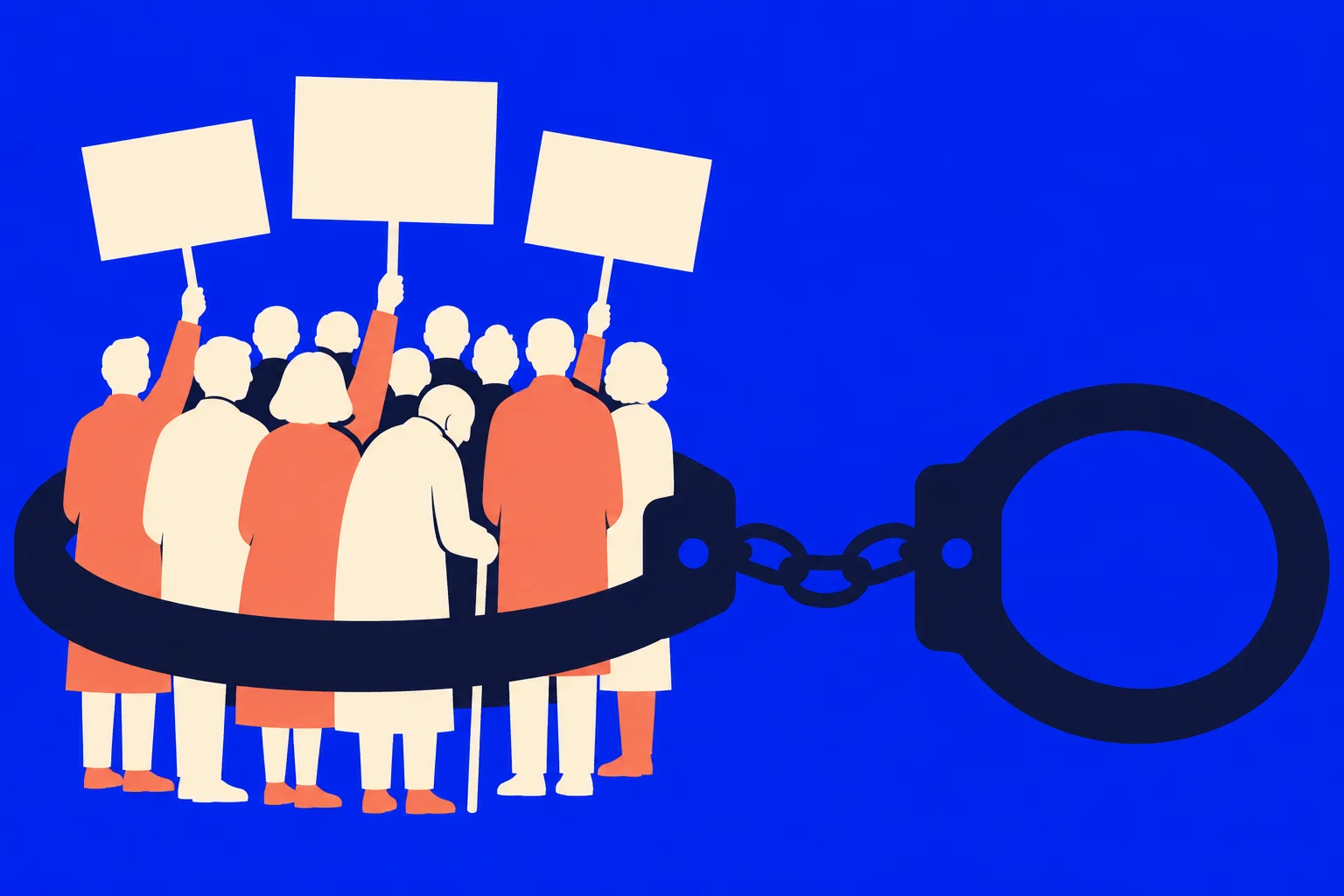
The courts have gone back and forth. On 13 February 2026 the High Court ruled the proscription unlawful, but the ban stayed in force while the government appealed. In June the Court of Appeal sided with the Home Secretary, finding the ban lawful and proportionate. Ammori then won permission to appeal to the Supreme Court, where the case is listed for 4 and 5 November. The group goes back to court on Wednesday.
The pressure now comes from Washington too. In August 2026 the United States sanctioned Palestine Action and other pro-Palestine groups, and as a result Palestine Action Italy lost its US-based donation platform. Luca expects Rome to “follow the UK’s footsteps”. His group, he said, is preparing to stop being seen as activists and start “being considered terrorists.”
The word comes first. Penalties follow it, and soon it is a question of who can still pay for a can of paint. Luca puts the case for going on this way: “Our democracies have failed us; that’s why direct action is important.”