
Across four consecutive business days, American infrastructure seemed to stumble from onedigital failure to the next. A mass Microsoft Exchange outage disrupted IT services for thousands of companies. A Federal Aviation Administration technology failure grounded aircraft nationwide. A software problem at JPMorgan Chase brought further disruption, a United Airlines glitch delayed flights, and downtime on a classified National Security Agency network left staff at home, waiting to return to their offices at Fort Meade.
Against a US war with Iran and growing anxiety about AI-enabled hacking, the sequence invited suspicions of coordinated cyberwar. Yet, as Andy Greenberg wrote in WIRED, in an article republished by Ars Technica, there was still no evidence that any of the failures were connected, let alone caused by hackers. Their timing was enough to send people searching for hostile intent. Intent, however, is not established by a calendar.
Investigators instead begin with a less theatrical proposition: complex computer systems frequently break under their own complexity. “I’ve just seen enough times where we thought maybe it’s a cyberattack and it turns out it’s not. Sometimes it will be, but typically not,” says Cloudflare chief executive Matthew Prince. Most current failures, he says, are the ordinary background of malfunction: “Stuff breaks, and that’s just the nature of complex systems.”
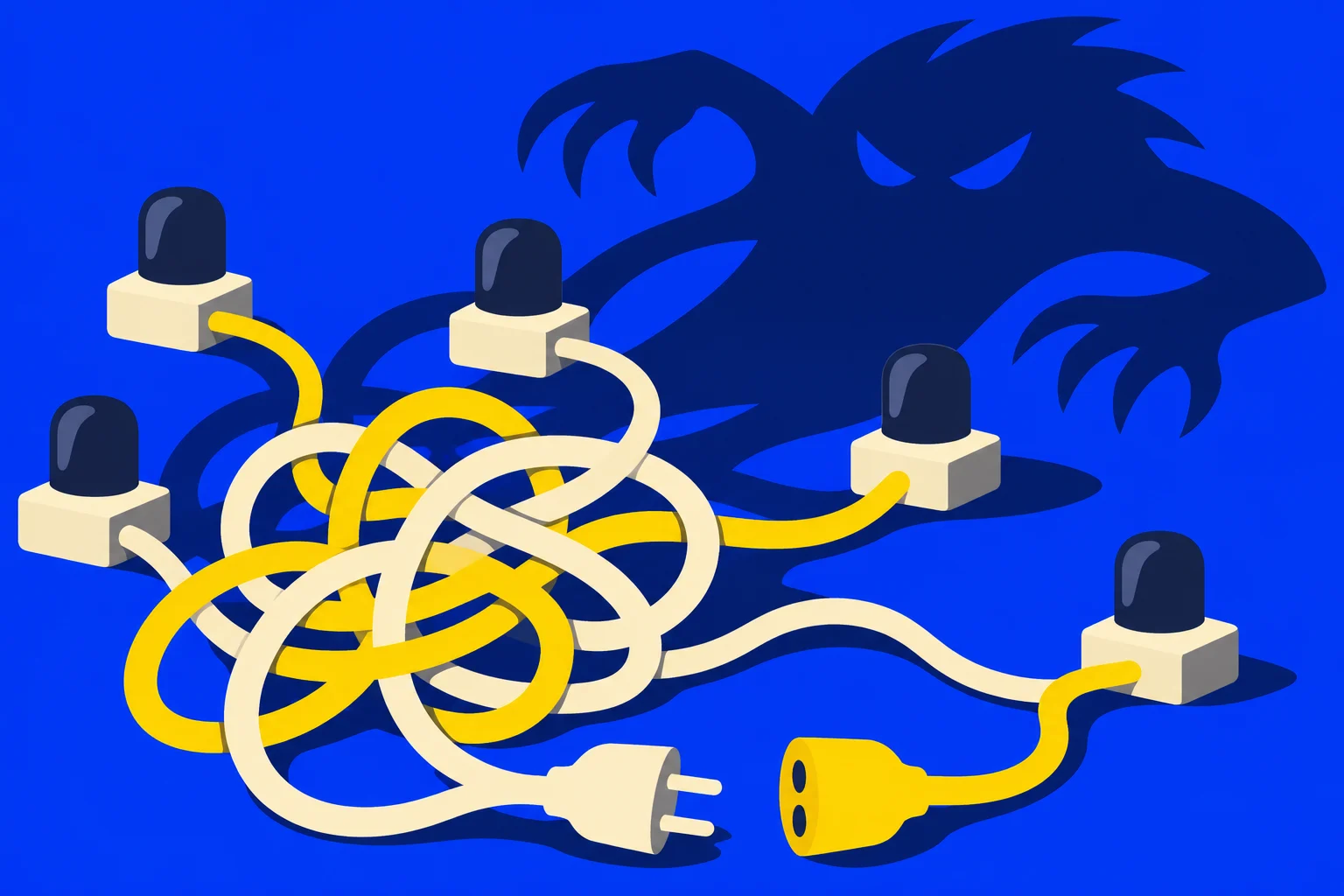
Begin with accident—or negligence
Doug Madory, head of Internet analysis at the network security company Infoblox, monitors as many as a dozen network outages a day. Only about “one in a thousand”, he says, proves to have been caused by hackers. “One’s default position should be that it isn’t a cyberattack,” he says, “unless there is some concrete evidence to the contrary.”
João Tomé, Internet research editor at the network data company IPinfo, puts the usual explanation more bluntly: “Most big outages that look like attacks are self-inflicted.” His familiar causes are “a bad update, a configuration change, a cable cut, or a power failure”. The saboteur, in other words, may be an update nobody properly tested, or electricity that simply stopped arriving.
Find the failure beneath the failures
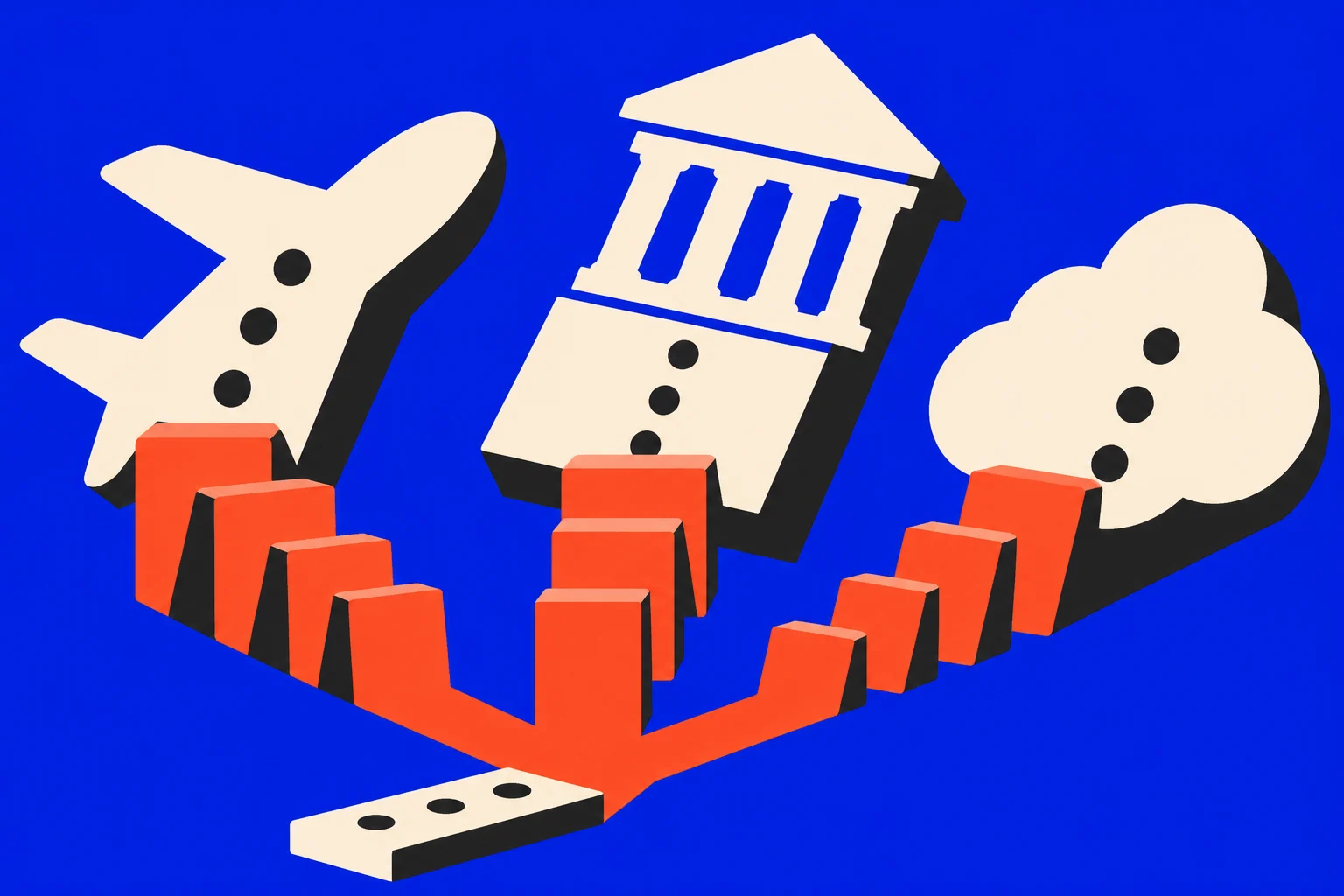
Several services appearing to fail does not necessarily mean several independent failures. Downtime at a foundational provider such as Amazon Web Services can cascade through customers dependent on its infrastructure. In the bank disruption, multiple institutions seemed to have problems, but these appeared linked to certain inter-institutional transactions involving JPMorgan Chase. Likewise, failed calls across apparently struggling wireless carriers may all involve one network suffering an outage. Accidental or anecdotal reports of additional failures can muddy the picture further.
A practical response is to check whether the organisation concerned has acknowledged trouble through verified social-media accounts or the newsroom section of its website. Search engines can locate both, sparing users the need to know each company’s communications system. The same approach applies to government agencies and other institutions.
Large platforms also maintain status dashboards describing which components are working and which are impaired, often adding incremental restoration updates during major incidents. AWS, Google Cloud Platform and Microsoft Azure provide them; comparable pages exist for Meta business products, Google Workspace, telecommunications companies, AI companies and other services. Before a rumour acquires a capital and a flag, the affected institution may already have posted a mundane explanation.
Read the network, then return to its operators
When failures spread across services and their origin remains unclear, independent network measurements can help. Amanda Meng, a Georgia Tech research scientist who helps run the Internet Outage Detection and Analysis service, points to IODA’s data and its BlueSky and Mastodon accounts, as well as Cloudflare Radar and Watch the Net. Madory also publishes findings about network outages on social media.
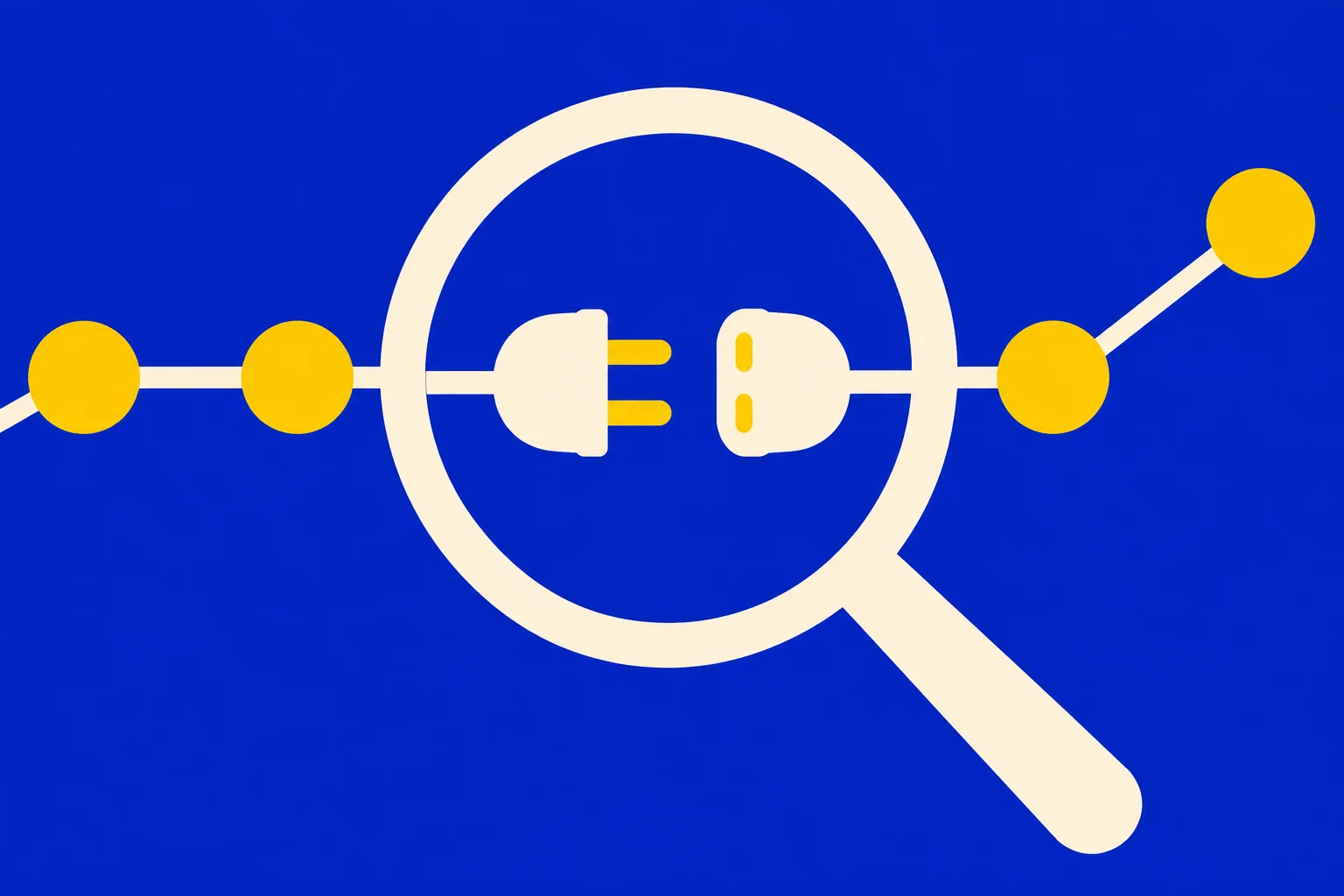
IODA examines a disruption’s timing, beginning, end and affected network, then tries to connect those observations with reporting. A single network might indicate a buggy update; damage to a fibre-optic cable could cut off a region. More rarely, the evidence might point to a cyberattack or a government deliberately severing Internet access to suppress protests. Scope, place and time narrow the possibilities. Even then, Meng advises returning to the organisation running the affected service: “Usually the operators have the most information about what’s actually going on.”
Attackers often want an audience
Companies and agencies commonly confirm technical mishaps through their own apologies and updates. In the rarer event of a genuine cyberattack, those responsible often announce themselves. Ransomware gangs, among the most common sources of serious malicious disruption, list victims on dark-web pages to extort payment, sometimes adding countdown timers before threatened leaks of stolen information.
During the NotPetya and WannaCry worm attacks, two of history’s worst cyberattacks, the self-propagating code left ransom messages on infected machines; images of them spread rapidly on social media. Ideological hacktivists also claim attacks on X, Telegram or their own websites—as may state-sponsored military or intelligence hackers disguising themselves as hacktivists. Those declarations then travel through social networks and news reports. Silence around a failure therefore deserves scrutiny, but the first question remains unfashionably plain: has someone simply broken something?