
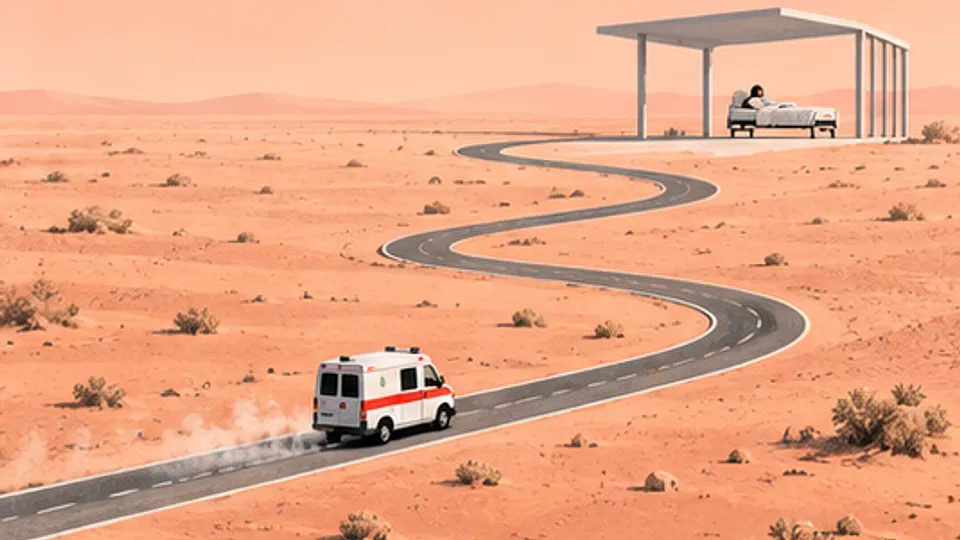
California is running out of places to have a baby. Hospitals have closed or indefinitely suspended nearly 50 maternity wards in the last decade, and the pace has quickened in the last four years. Whole stretches of the state — maternity-care deserts, the researchers call them — now have nowhere a woman in labour can go. The phrase is a dry one. What it means is a mother in a car, late at night, driving farther than she should.
The hospitals give familiar reasons: high costs, labour shortages, falling birth rates. These are the facts of arithmetic, and they are real. But arithmetic has a postcode. Rural communities lose their wards first, and in the cities the wards that close are the ones serving Black, Latino and low-income families. The people with the least money and the least choice are asked to absorb the most distance.
The timing is bad. Pregnancy-related deaths in California reached a 12-year high in 2021, according to state data, and the state is still wrestling with that rise. At the same moment, the institutions that watch women through the last and most dangerous hours of pregnancy are being boarded up.
Some experts believe midwives and standalone birthing centers could fill part of the gap. They are cheaper than hospitals and can sit in the towns hospitals have abandoned. But researchers have found that state rules on licensing and insurance make it hard for midwives to open such centers and harder still to keep them afloat. The state that cannot staff a hospital ward also will not easily let anyone set up a smaller one next door.
CalMatters reporters Kristen Hwang, Ana B. Ibarra and Erica Yee are reporting an ongoing series on why the wards are closing, what it means for parents-to-be with few options left, and whether anything can yet be done to protect access. The first facts are plain enough. Fifty doors have closed. The women who need them are still arriving.