
There is a machine inside the rocket company that pays for everything, and today it will be asked to pay for even more. SpaceX reports earnings after the bell on Wall Street, and the question hanging over the numbers, Dan DeFrancesco writes in Business Insider, is the price of Elon Musk’s newest ambition: turning Starlink, the satellite internet network, into a mobile carrier capable of standing against Verizon, AT&T and T-Mobile.
Consider the anatomy of the enterprise. SpaceX, DeFrancesco notes, is made of three parts: connectivity, which is Starlink; space, the reusable rockets crowned by Starship; and artificial intelligence, the cluster of Grok, X and data centers. Of the three, only connectivity generates an operating profit. Starlink is not merely a good business; it is the treasury that finances the other two, offsetting the expensive investments of a company with a long list of costly bets. Kings have always needed one province that pays its taxes. Starlink is that province.
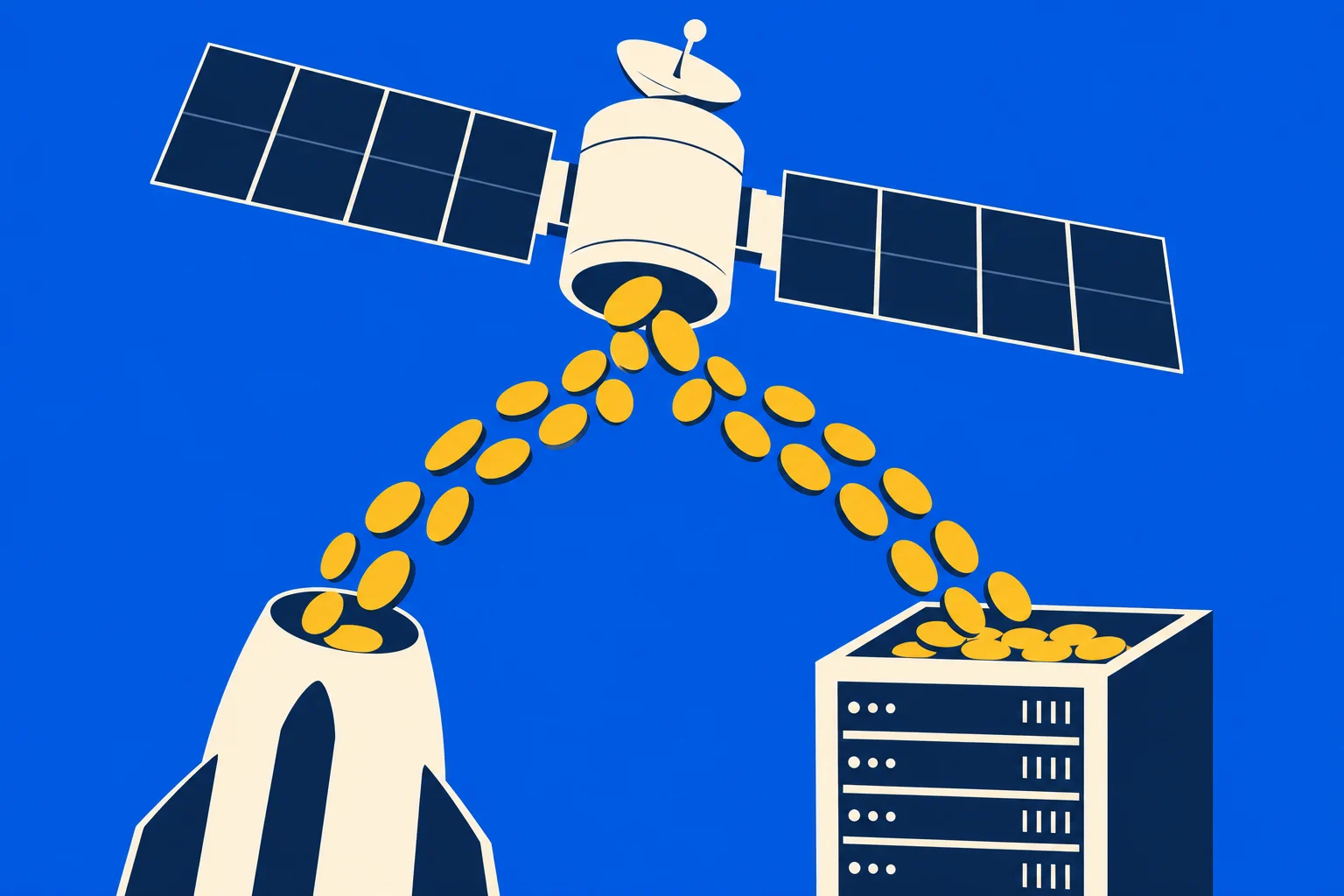
The carrier plan complicates the arrangement. To offer service in densely populated areas, SpaceX will need to launch still more satellites and build a footprint on the ground — ground it has already been preparing for. How much the company intends to set aside for the buildout, and what that will do to the bottom line, are the key questions analysts will put to today’s earnings.
The promiser
Musk has never been stingy with prophecy. He recently said SpaceX could one day be worth more than Earth’s economy — a figure that, as previously reported, implies a company worth 5,500 times today’s price. He has backed up the talk with things others thought impossible: rockets that land themselves, standing upright on the sea. But his calendars are another matter. The Tesla Roadster, delayed again and again, is now targeting production in 2028.
There is a difference between promising from scratch and promising with other people’s dividend. When you begin with nothing, failure costs nothing that existed. With Starlink, the risk is the reverse: that in chasing the mobile giants, Musk turns his cash cow into another capital drain — one more hungry segment for the one profitable segment to feed.

A share for every child
Early Monday morning, ahead of the earnings call, Musk offered a different kind of ledger. He will give, he said, one of his SpaceX shares to every kid in America next year. “This will be the first of many,” he added.
How such a gift would function was not clear, and many immediately thought of the recently launched Trump Accounts. President Donald Trump has predicted that Musk would donate SpaceX stock to the accounts, and Gwynne Shotwell, SpaceX’s president, has already said she would gift a share of her company stock to them.
The generosity arrives wrapped in paperwork. If the shares do come through the Trump Accounts, they carry the complications those accounts pose for some parents: certain jobs, in financial services above all, restrict the kinds of investments an employee may hold, for reasons of compliance. A gift from a billionaire, it turns out, can be something a family must ask permission to accept.