
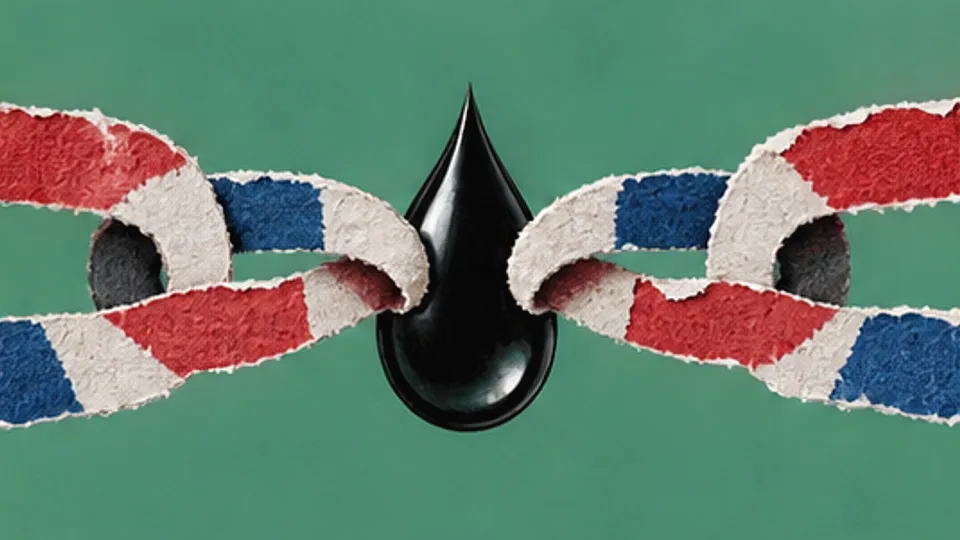
Bruno Rodriguez, Cuba’s foreign minister, used his turn at the United Nations General Assembly on Saturday to name America’s oil blockade of his country an “act of collective punishment”. Its purpose, he said, is to bring on a humanitarian crisis. The phrase is plain and is meant plainly: the punishment does not land on ministers, but on the whole population of the island.
an energy blockade has intensified, which, through intimidation and coercion, prohibits all countries from exporting fuel to Cuba
That has been so, he said, since January 2026, and the measure is tantamount to “a naval blockade”, according to an account of his speech by La Voce di New York. A naval blockade, in the older and blunter language of states, was an act of war. This one is conducted with paperwork and pressure on third countries rather than with ships, but the effect on the Cuban street is the same: the fuel does not come.
Days earlier, the United States had used the same United Nations stage to promise that “freedom will be coming” to Cuba. Freedom understood as something a foreign power delivers by cutting a country’s fuel is a curious sort of freedom, but it is a familiar sort of language.
President Donald Trump, for his part, told reporters that Washington and Havana would reach an agreement, and that he did not believe military action would be necessary. Read together, the squeeze and the smile describe one policy: the blockade raises the price, the promised deal offers the way out.
If Mr Rodriguez is right about the intent, the coming crisis will be paid for by ordinary Cubans who have no seat at any of these tables. If Mr Trump is right about the deal, the blockade was a bargaining chip all along. Until the signatures are dry, the tankers stay away.