

On Tuesday, 13 October 2026, the president of Cornell University, Michael I. Kotlikoff, sent the campus in Ithaca, New York, a letter. Institutions write letters like this when they have run out of ground to stand on. All parties and social events at Interfraternity Council houses were suspended, effective immediately, through the end of the 2026-27 academic year. “There will be zero tolerance for violations of this directive,” he wrote. “Any fraternity holding an in-house party or social event will receive an immediate emergency suspension.”
The pause, he said, “will provide time for a thorough review of fraternity life at Cornell to determine whether and how it can safely continue.” According to TIME’s Chantelle Lee, the university would not say how the measures would be carried out or monitored. It pointed the magazine to a page of frequently asked questions.
Then came the confession, which was the real news: “I am deeply sorry for the harm Jane Doe suffered in 2024, and appalled that this act of sexual violence occurred within our Cornell community. It is clear that women on our campus continue to question whether they are safe. We must meet this moment by acknowledging where we have fallen short and taking meaningful action.”
A night in October
The night in question is 19 to 20 October 2024, at the Chi Phi house. About a month ago a former student, known in court papers only as Jane Doe, filed a civil suit. NBC News reported that it names the university, the fraternity, her own sorority, Tri Delta, and seven former Chi Phi members. She alleges she was pressured to take ketamine and raped by the seven. As NPR’s Elissa Nadworny reported, the suit also describes a Snapchat group chat in which fraternity members discussed her and the party in openly crude terms.

None of the seven has been charged with a crime. Some outlets report that all of them deny the allegations. NBC is more precise: lawyers for four of the men say their clients deny the assault and deny coercing her with drugs, and the other three have not responded.
The record of the response
After the 2024 report, the university closed the chapter and temporarily suspended the accused, according to AFP and the Associated Press. Two were later expelled. Cornell’s Title IX office investigated in 2025, and in March that year a panel of staff and faculty moved to expel or suspend some of the men. The rest were required, among other sanctions, to write “essays”. The university calls the outrage unfair. In an earlier statement quoted by The Independent, it said: “Any suggestion that the University did not impose consequential punishments for those involved is false.”
The state’s record looks no better. Tompkins County District Attorney Matthew Van Houten declined to prosecute in 2024, saying the complainant’s testimony did not establish a lack of consent. He now says his office never received all the campus police materials, and Cornell defends its own investigation. Van Houten reopened the case after the suit was filed. Governor Kathy Hochul then gave it to Attorney General Letitia James, saying, as Newsweek reported, that she had lost faith in him. School records reviewed by ABC News show that campus police received an anonymous tip that Chi Phi leaders had asked a potential witness to keep quiet because the “reputation of all involved and the frat would be ruined.” Those records have fed accusations of a cover-up.
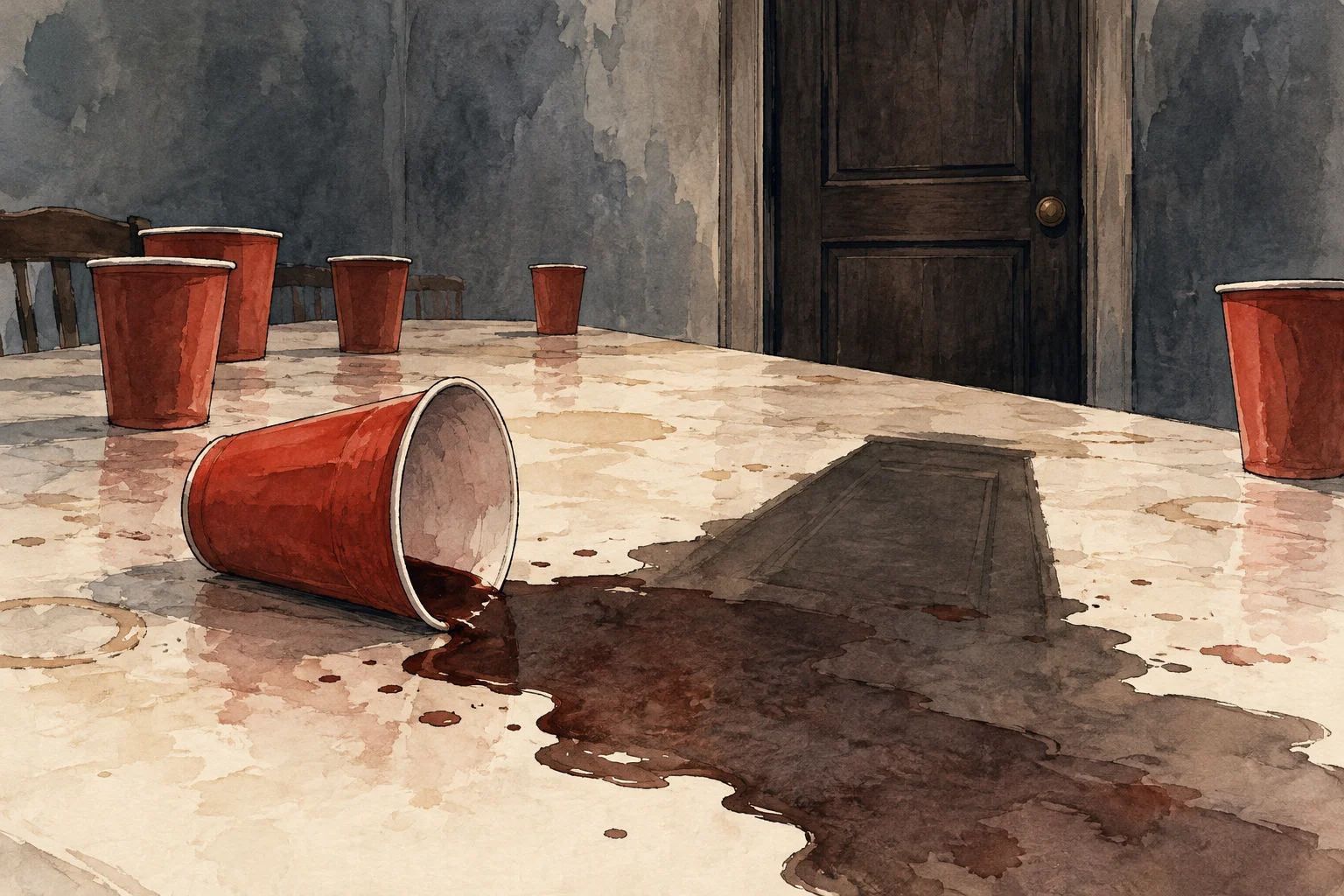
One could reflect that bureaucracies rarely lie outright. They file everything, and then each office says the missing papers were the other office’s job.
What the letter promises
The letter also changes who investigates. Trauma-informed New York State Police investigators, independent of the university, would interview survivors who choose to pursue criminal charges and “prepare comprehensive investigative summaries for the appropriate law enforcement agency.” This would last as long as the independent review does. Until now, the AP noted, Cornell’s own police had handled the 2024 case. The agency added that this is not the first ban: Cornell briefly halted fraternity parties in 2022 as well, after reports of a sexual assault and of students being drugged at fraternity-linked housing.
The Office of Civil Rights will get a case manager for people reporting misconduct, and there will be more victim advocates and more bystander training. The Presidential Task Force on Sexual Assault will be rebuilt with faculty who study rape culture. “At its core is the specific context of social behavior and a deeply disturbing prevalence of alcohol and drug abuse,” Kotlikoff wrote. About a third of Cornell students belong to fraternities and sororities.
The trustees have already hired Sally Yates to review how Cornell handles sexual misconduct. Some outlets describe her as a former deputy attorney general and others as a former acting attorney general. Kotlikoff wrote that “it is clear that we cannot wait for these findings to take action.” His letter did not say why the action had waited two years.
The answer from below
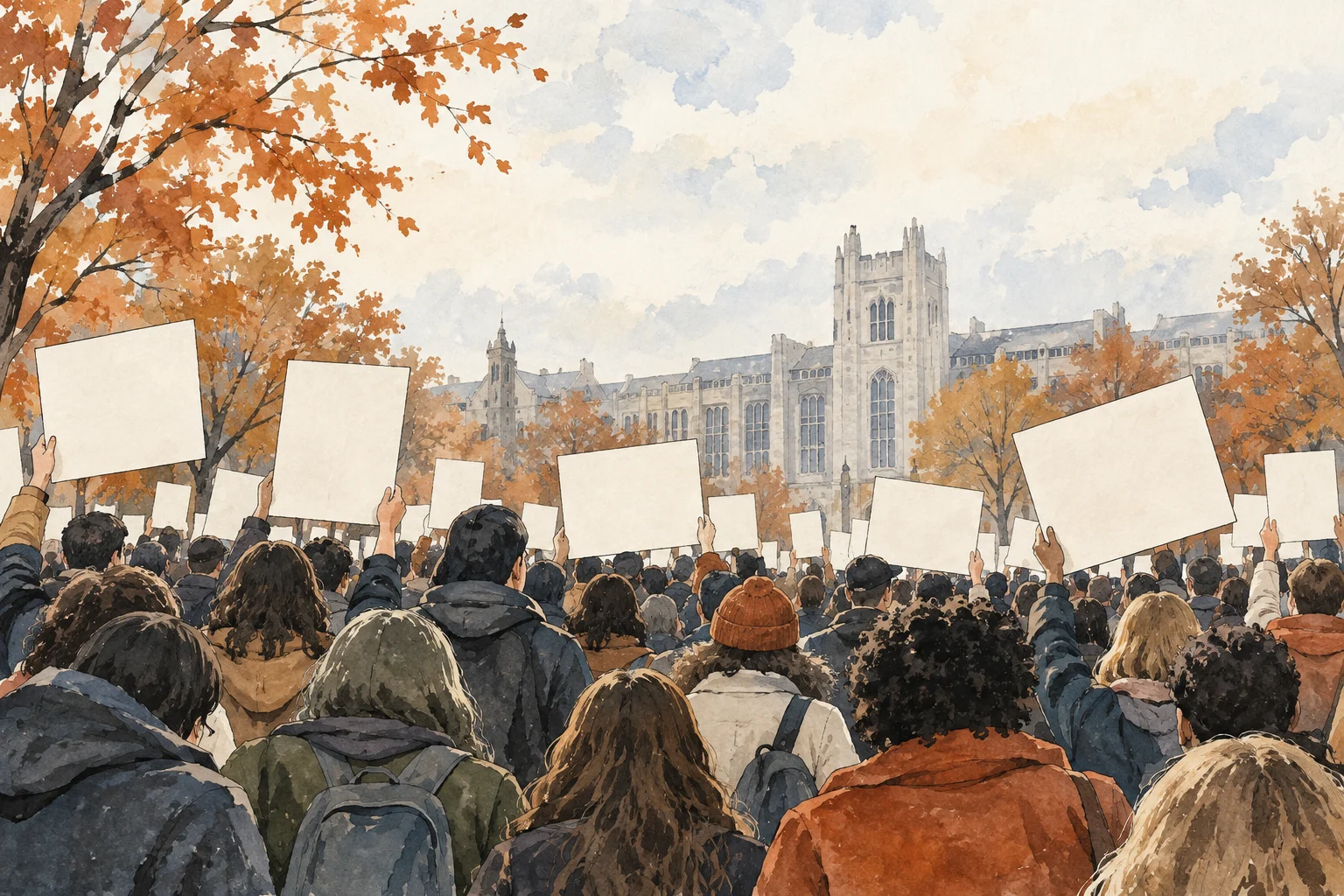
Students got there first. Reports of the rallies this month differ: TIME and The Independent counted hundreds, while AFP reported thousands. People carried signs reading “Hold them accountable” and some demanded the president’s resignation. Under #IAmJaneDoe, crowds also gathered in New York and Boston. John Hartnett, a sophomore who helped organize the protests, called the new measures a “half measure.” Julia Chang, an associate professor of Hispanic studies, said: “The fact that these changes are coming about now — two years later — is a testament to the power of the student movement and the global conversation it has sparked; not the integrity of the administration.”
The Faculty Senate is meeting on Wednesday to consider a resolution declaring “no confidence in the ability of the central administration to effectively address the ongoing crisis of sexual assault at Cornell University.”
Behind the pseudonym
In the middle of all this is one woman. Her lawyer, Thomas Giuffra, told Newsweek she had received at least 20 threats in less than a month. “She’s absolutely terrified,” he said, adding that her mother had sent him a photograph of her taping paper over the windows of the house. He has also said she received death threats and that police swarmed her family’s home.
His reply to the letter was short. The steps, he told NBC, “are too late to protect Ms. Doe. However, these steps will hopefully go a long way to help ensure that there are no more Jane Does.”