
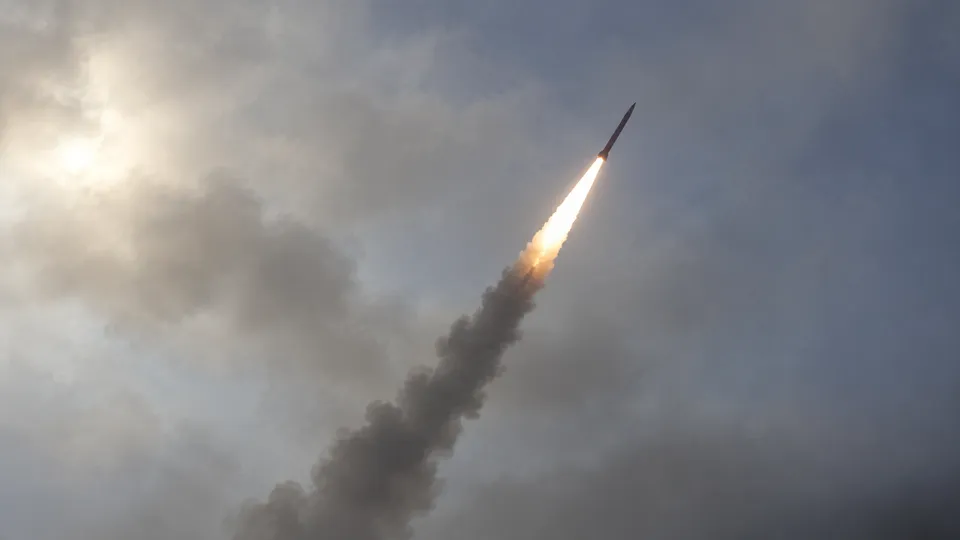
Iran’s aim has improved, and American officials believe they know why. Satellite imagery and intelligence support from Chinese groups has helped Iran threaten shipping in the Strait of Hormuz and carry out precision strikes on US military bases across the Middle East, according to a series of recent American intelligence assessments described to CNN by four sources. The assessments point to a dramatic improvement in Iranian targeting over the past several months.
The clearest case came in July, when Iran struck a US base in Jordan and killed three American service members. The sources said the imagery gave the strike a level of precision that US officials believe was otherwise beyond Iran’s capabilities. The Wall Street Journal first reported that Iran used Chinese satellite data in that attack.
The help works at sea as well. Chinese geospatial data has improved Iran’s ability to track ships through the strait, one official said, raising the odds that Iranian drones and missiles hit their targets. Two other sources said the data lets Iran time the launches of heatseeking drones that are otherwise unsophisticated and cannot be steered in midair. Iran fires large numbers of them towards ships once they reach a particular bend in the waterway, described by one official as a “knuckle”, and hopes they latch onto the heat signature in the hulls. The strait is Tehran’s greatest point of leverage, US officials and outside analysts say.
The tempo can be fierce. During one recent escort operation, US forces intercepted more than a dozen Iranian missiles, shot down nearly 20 drones and struck roughly 60 targets around the strait, one official said. Meanwhile Iran is shooting down MQ-9 Reaper drones “left and right”, a source familiar with recent intelligence assessments said, and alerts about drone activity remain regular. “They’re getting better because we’ve essentially given them more time to train,” another source said; the same source noted that China has also sent Iran air defence systems.
How much Beijing is behind this is the uncertain part, and officials say so. It is not clear whether the Chinese government ordered the support or is merely letting it happen, and officials disagree about its scale. A fifth source familiar with US intelligence noted that recent reporting suggests China would prefer the disruptions in the strait, which have pushed up global oil prices, to cease. Russia is also providing Tehran with support, the sources said, and some officials point to Iran’s mounting combat experience as a factor alongside the outside help. Technical assistance from both countries has helped Iran improve the guidance systems on its missiles and drones, but in places like the July strike on Jordan, officials agree the Chinese intelligence data proved decisive. “There’s a reason that their targeting has improved, and it is due to some assistance,” one source said. “Getting reps on the battlefield helps, but getting a helping hand helps a lot too.”
The disclosure lands in the middle of a state visit: Xi Jinping is in Washington for meetings with President Donald Trump on Thursday and Friday. The Trump administration has largely declined to condemn China publicly over direct or indirect support for Iran, even as reports of intelligence and military aid have surfaced, but one official said the matter was likely to be raised during the visit. After the Jordan attack, Secretary of State Marco Rubio declined to discuss whether China was providing targeting assistance. “Nothing that China has done has in any way changed the trajectory of … the conflicts we’re having with Iran,” he told reporters, adding: “In fact, in some cases, they’ve actually been quite cooperative,” citing Beijing’s public opposition to Iranian efforts to toll the strait.
Asked about the first report, China’s foreign ministry spokesman Guo Jiakun said: “China always strictly fulfills its due international obligations. We oppose exploiting the conflict to throw mud at China.” The Chinese and Iranian embassies in Washington did not respond to requests for comment; the Defense Department declined to comment, and the White House did not reply. The administration’s deeds have been sharper than its words: in May it sanctioned three Chinese satellite companies it said had provided imagery that “enables Iran’s military strikes against US forces in the Middle East.”
The damage so far is catalogued in a recent report from the Pentagon’s inspector general: Iranian strikes “damaged and destroyed hundreds of buildings and structures at US bases in Kuwait, Bahrain, Qatar, UAE, Saudi Arabia, Iraq, Oman and Jordan” during the war’s first months. CENTCOM “shifted personnel, assets and storage facilities” under attack from Iran and its proxies, the report said. Officials express open frustration at the American vulnerability to low- and medium-altitude missiles and drones, against which the country’s expensive air defence systems were not built. Iran showed it could hit US bases in 2020, after Trump ordered the killing of a top Iranian general in his first term, but its precision has improved drastically since, multiple officials said.
Iran is also reconstituting its arsenal on imported dual-use parts, a major worry for US officials. “Without the Chinese parts they wouldn’t be as likely to keep fighting, it is as basic as that,” one US official said. The rebuilding matches earlier US intelligence assessments, another official added, and is also a consequence of Trump’s decision to halt full combat operations before the military completed its target list.
The pressure on Tehran continues by other means. Four Iraqi airports — Baghdad, Najaf, Erbil and Sulaimaniyah — have suspended all flights to and from Iran, days after the United States announced aviation sanctions on any global companies doing business with Iranian airlines. It is the latest turn of the screw since Washington launched Operation Economic Outcast in August, an effort to cut Iran off from the global economy. Sanctions squeeze the airlines while the satellites go on passing overhead; the imagery, by the American account, has not stopped.