
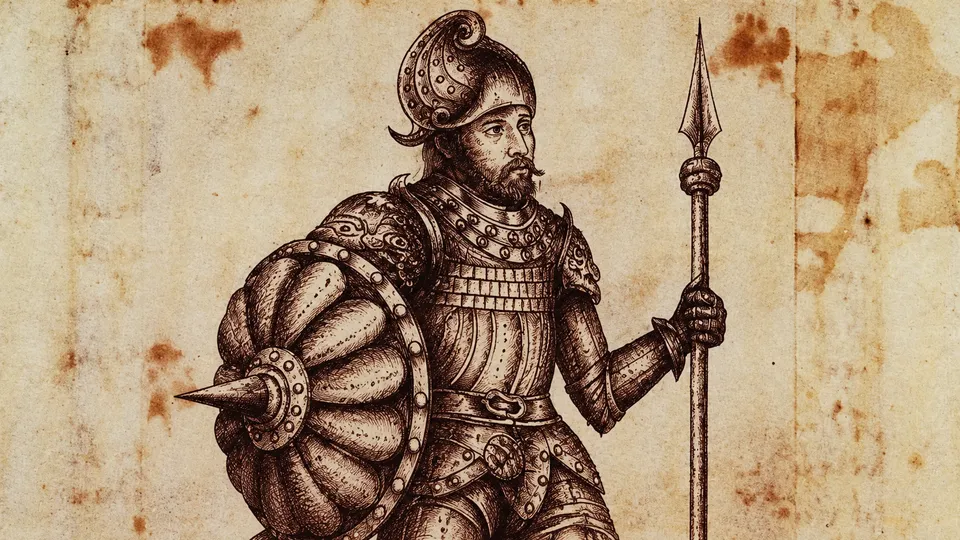
The BBC used Columbus Day on Monday to retell how Norse sailors reached North America around the year 1000, about 500 years before Christopher Columbus landed in the Bahamas on Oct. 12, 1492.
The piece, written by Fiona Macdonald for BBC Culture, pulls from decades of BBC interviews with historians and archaeologists. They describe more than one landing. In their account, the Norse used a camp in Newfoundland as a base, made occasional trips to the continent for two or three centuries afterward, and word of Atlantic crossings may have reached Columbus himself.
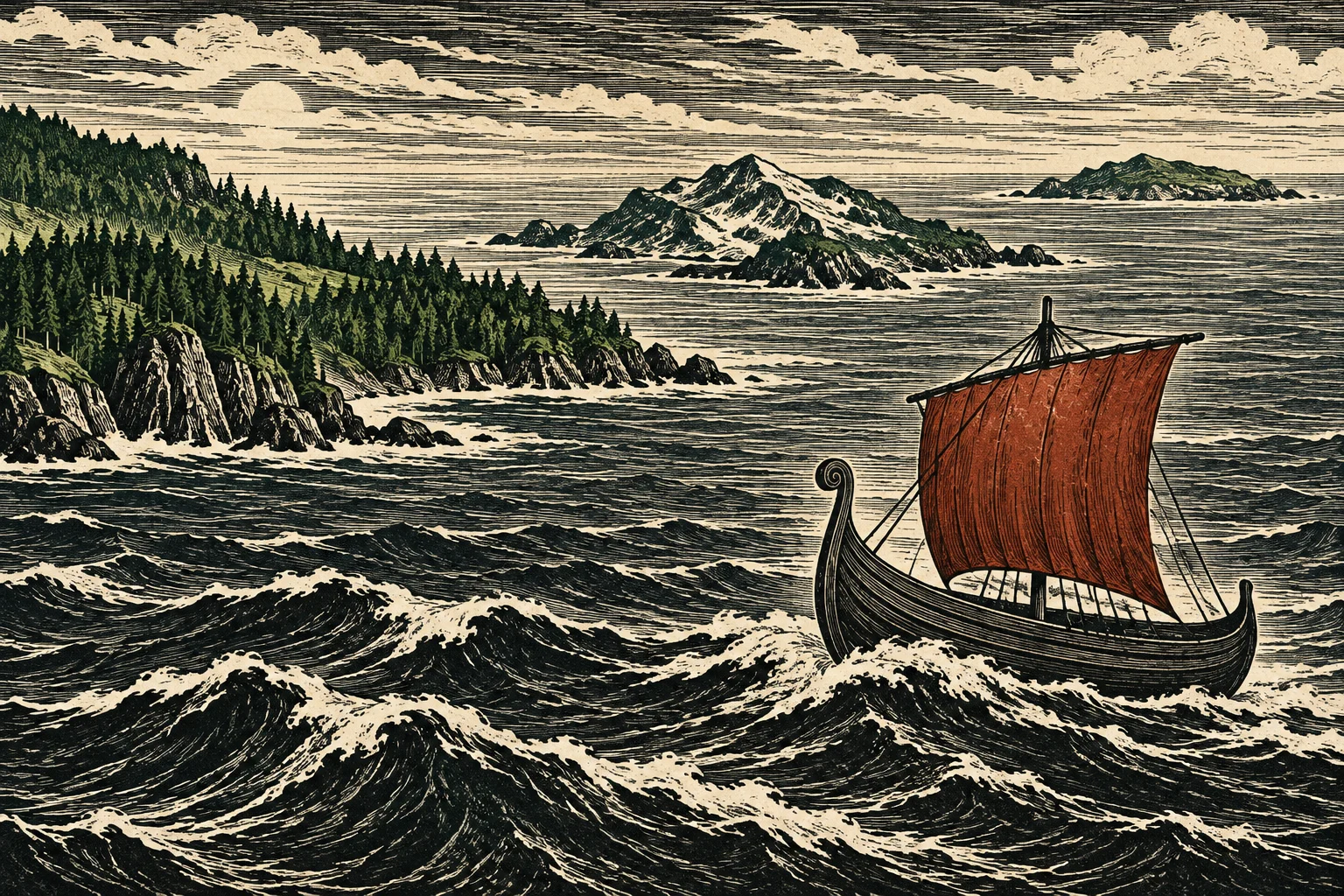
The Norse never made one long crossing of the ocean. They moved west in stages, settling Iceland around 870 and later Greenland. From Greenland it is about 200 miles across the Davis Strait to Baffin Island, which they called Helluland, the land of slabs, according to the BBC. The sagas say they worked south along the coast to Labrador, or Markland, the land of forests, and then to Vinland, the land of vines.
“The sagas describe not only these guys stopping off in one place, but stopping off in a number of places,” Emily Lethbridge of the University of Iceland said on the BBC series Timewatch in 2016. “And they left for several years. They had a whole new world to explore.”
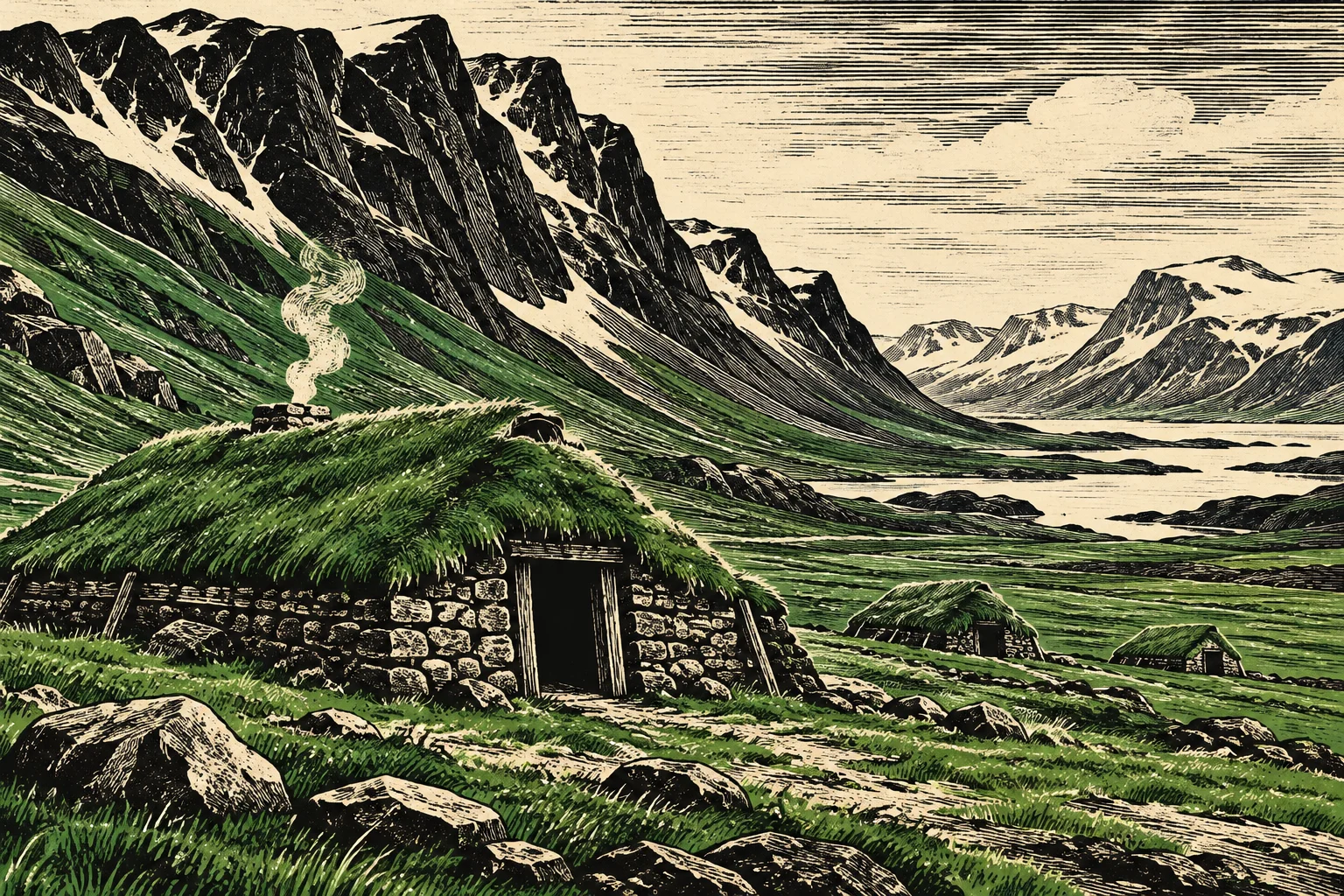
Those sagas were written down centuries later by descendants of the Vikings, and historians now treat them as holding real history. The 14th-century Flateyjarbók, or Flatey Island Book, tells of the Norse settlement of Greenland and the attempt to colonize North America. In 1966, the BBC presenter Magnus Magnusson said that when organizers of the 1893 Chicago World’s Fair wanted to borrow it from Denmark, they offered a warship, an armored train and $1 million in insurance. “But even at that, the Danes didn’t care to take the risk,” Mr. Magnusson said.
Exile pushed the Norse west. Iceland’s open-air parliament, the Althing, founded in 932, banished Erik the Red in 982 after a violent dispute with a neighboring farmer. The assembly met in a ravine on the fault line where, Ms. Lethbridge said, “the North American and the Eurasian tectonic plates meet.”
“Erik the Red was the first Icelander to discover Greenland and then make a permanent settlement there,” she said. His colony lasted about 500 years, into the early 15th century, and his son Leif Eriksson led the voyages from there to North America.
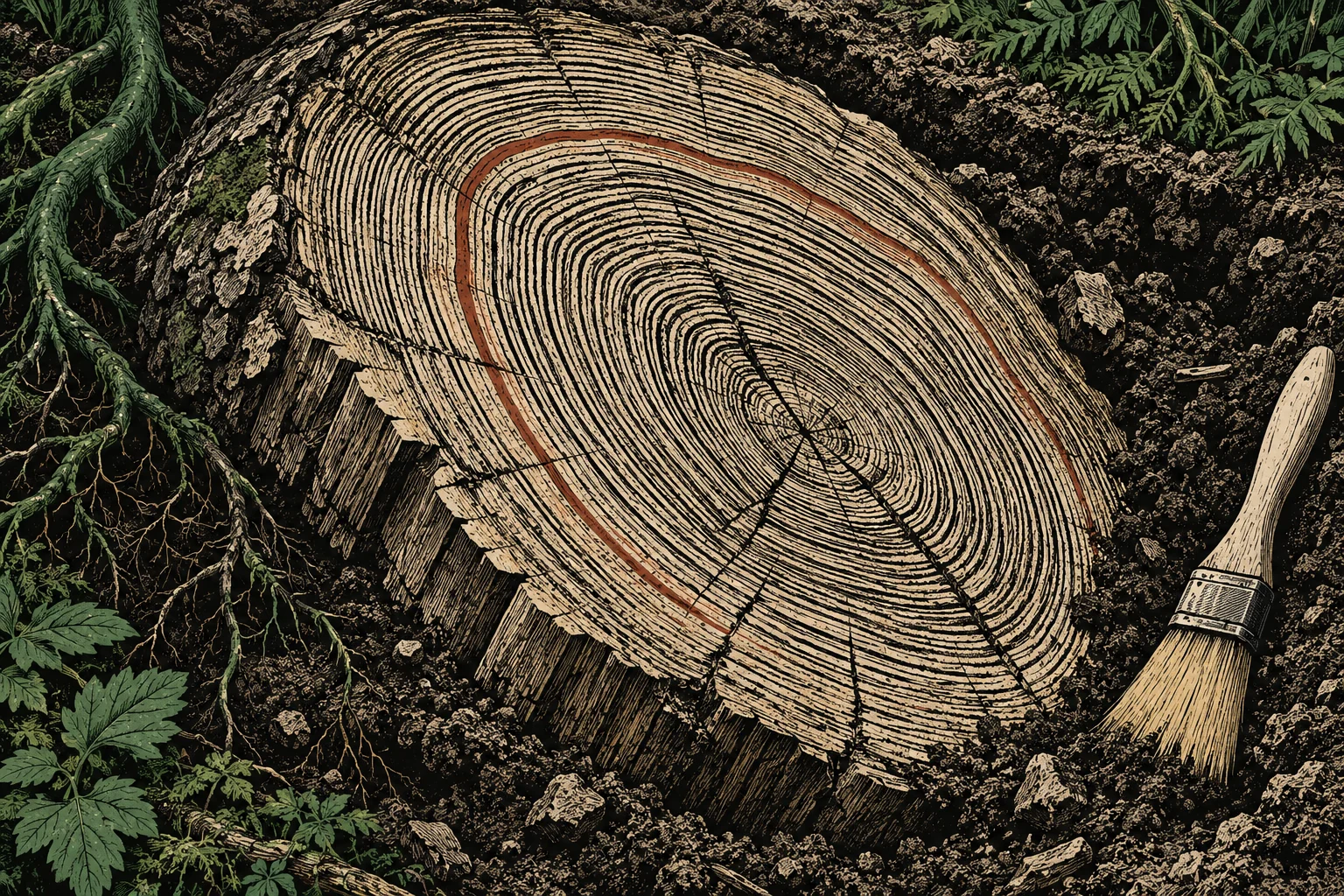
The physical evidence turned up in 1960, when the Norwegian explorer Helge Ingstad found a Norse site at L’Anse aux Meadows on the northern tip of Newfoundland, according to Canada’s History. In 2021, a team from the University of Groningen and Parks Canada dated wood at the site that had been cut with metal blades to 1021, National Geographic reported. The researchers, publishing in Nature with Margot Kuitems as first author, found the radiocarbon spike left in tree rings by a solar storm in 993 and counted the rings out to the bark. The date shows the Norse were there that year. It doesn’t show when they first came.
“Most people assume that after Leif Eriksson and his friends came to Vinland and then gave up and went away, nothing more was heard of the New World,” Robert McGhee, an archaeologist at the Canadian Museum of Civilization, said on Timewatch. “But archaeologically, we have evidence which shows that the Norse were at least making occasional trips to the New World for the following two or three centuries.”
Kirsten Seaver, a historian of medieval shipping, told the program that by 1480 sailors were deliberately trying to reach North America, which they called the Isle of Brazil, directly rather than by way of Greenland. She cited a letter from the winter of 1497-98 in which an Englishman, John Day, told Columbus about John Cabot’s 1497 voyage and said that, as Columbus knew, men from Bristol had been making the trip “for many years already.”
Mr. McGhee said Columbus, like any navigator, would have known that the short way across the North Atlantic runs through the northern latitudes. Columbus took the long southern route instead.
“Perhaps he was trying to avoid Canada. Maybe he was trying to avoid Vinland… which was not what he was looking for,” Mr. McGhee said. “I think Columbus’s intent was to bypass America and therefore try to get to the riches of the Far East.”