
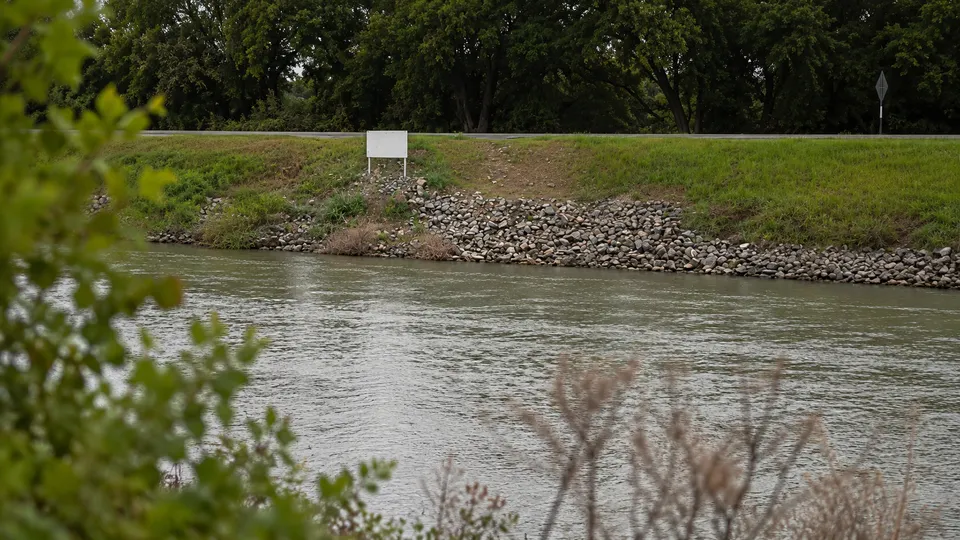
Nearly a third of the local agencies maintaining Central Valley flood-control levees have performed “unacceptable routine maintenance,” in some cases for years, according to California’s state auditor. Rachel Becker reported for CalMatters that the audit puts more than 250,000 people, 133,000 buildings valued at nearly $40 billion and hundreds of thousands of acres of farmland at risk, with historically underserved and socially vulnerable communities especially exposed.
The auditor says the Department of Water Resources “has not followed state law requiring it to take over the maintenance of levees” when local agencies fail and recommends that the department begin doing so. The audit treats routine upkeep as material because it reduces the likelihood that an earthen levee will fail during high water.
The department rejects both the risk inference and the remedy. In its written response, it said the audit “portrays a fundamental lack of understanding of the complexities of flood management.” It also said initial maintenance takeovers can cost tens of millions of dollars, money that “must be weighed against other investments that may yield greater risk-reduction benefits.”
Responsibility is split across three layers
The responsibility chain is: federal requirements → state oversight by the Department of Water Resources → maintenance agreements with levee and reclamation districts, private landowners and local governments. California oversees 1,600 miles of levees and related structures on the main stems and some tributaries of the Sacramento and San Joaquin rivers under the State Plan of Flood Control. Oversight of a mile is not the same obligation as maintaining every mile.
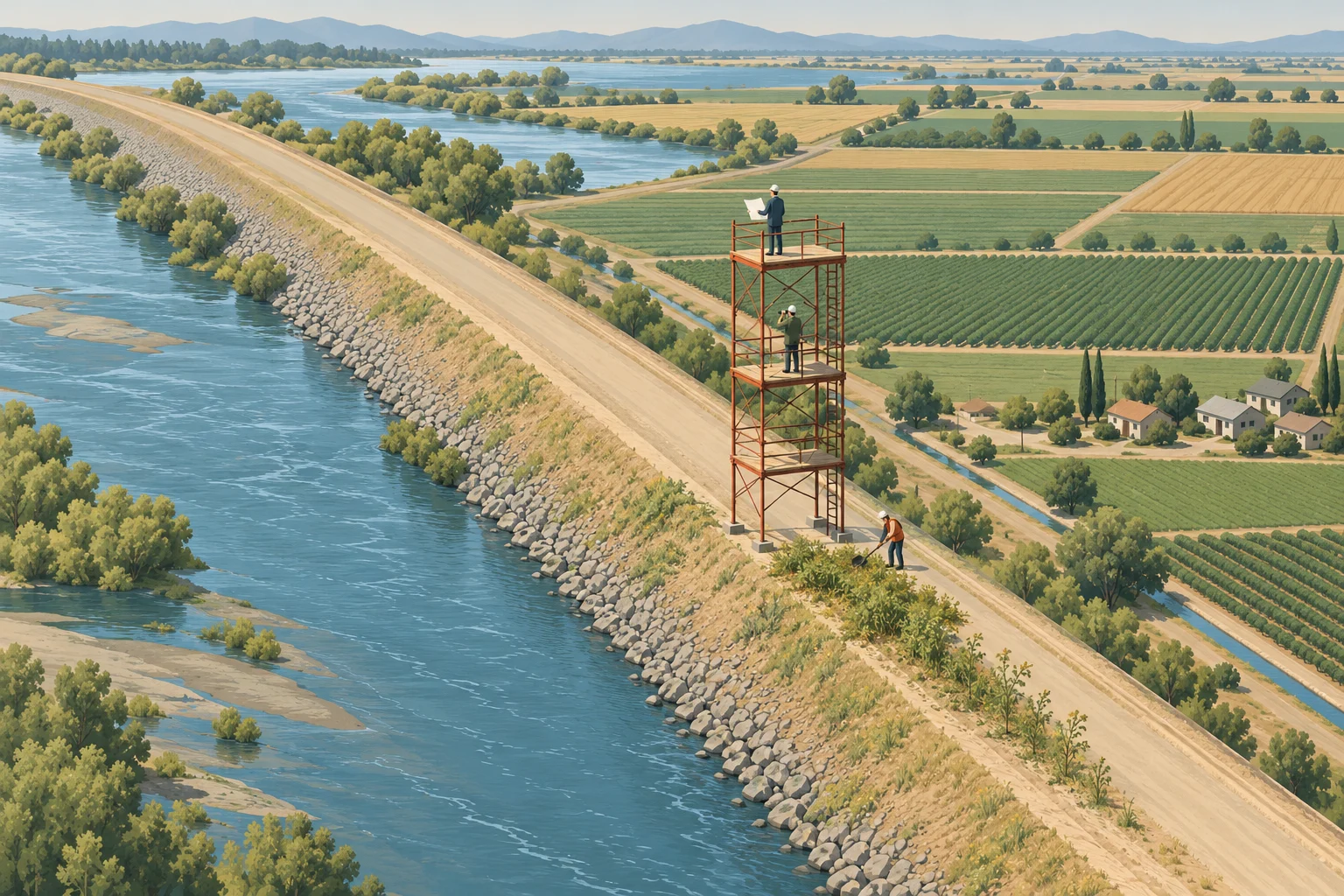
Tom Engler of MBK Engineers, district engineer for 12 Northern California reclamation districts, questioned whether the state could absorb the work. “They can’t even take care of what they have now, and they want them to take over everybody else?” he said. Some Butte and Sutter county systems on the auditor’s unacceptable-maintenance list are already state managed.
Department spokesman Jason Ince offered three examples. A standalone levee in the Feather River floodplain is surrounded by water when the Sutter Bypass carries high flows and does not function as a critical flood-control structure. Part of another system was likely made redundant by construction of the Thermalito Afterbay in 1968; California began asking the US Army Corps of Engineers to de-authorize it in 1984. Problems with a third, along Wadsworth Canal, date to its construction and must be handled under environmental rules protecting the giant garter snake, California’s state snake.
The two sides are scoring different questions
The auditor’s list is based heavily on routine-maintenance inspections. The department says levee risk has three components: the flood threat, how the levee performs and what sits behind it. “Maintenance contributes to performance,” it wrote, “but it is not the only or always the most effective action for reducing risk.” Ince also disputes the auditor’s exposure totals, saying they omit other flood infrastructure and local hydrology.
Engler, whose districts include agencies on the list, had a mixed assessment. “It has some things that I would definitely agree with, and it has a lot of things that I just go, ‘Who did they talk to about that? That’s totally off base,’” he said. Like department officials, he argues that many of the most dangerous defects are structural problems inherited from levees built generations ago.
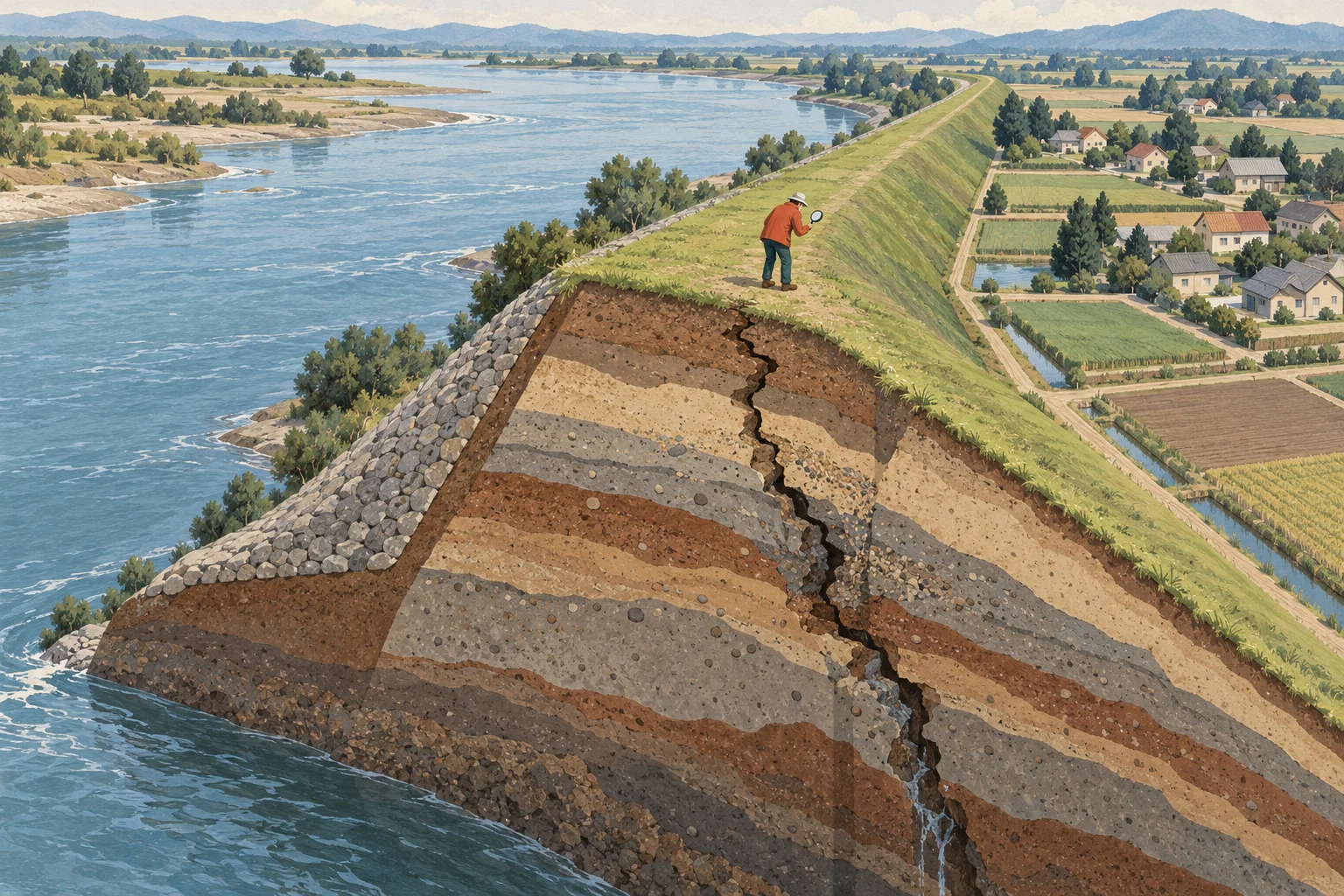
The audit says many agencies were rated unacceptable for chronic burrowing rodents and overgrown vegetation. Rodents can weaken an embankment, while dense vegetation can hide damage; trees falling during storms can also cause erosion. Engler says some listings were instead a reporting artifact: livestock had not finished grazing vegetation before inspection, or managers finished the work but did not update the state. “We know our levees are in good shape. We know the maintenance has been done,” he said. “Our rating never goes from unacceptable back to acceptable, just because we forget to report.”
The repair queue is longer than the funding
The audit reports that 14 of 48 critical repair sites were still unfinished as of August 2026, most having been on the list since 2023. “Critical” means the defect could reasonably cause a levee to fail during a flood or high-water event. The department also told auditors that it has no additional funding for critical sites it will inevitably identify in the future.
State water managers say they supplied $400 million to local agencies for levee maintenance over the last 10 years—an average of $40 million per year, without including what local agencies spent. They also told the auditor that fully addressing Central Valley maintenance over coming decades would require at least $165 million more per year than the state and local agencies now spend. Those figures use different scopes: the $40 million is an average state contribution, not the combined annual spending base to which the $165 million shortfall is compared.
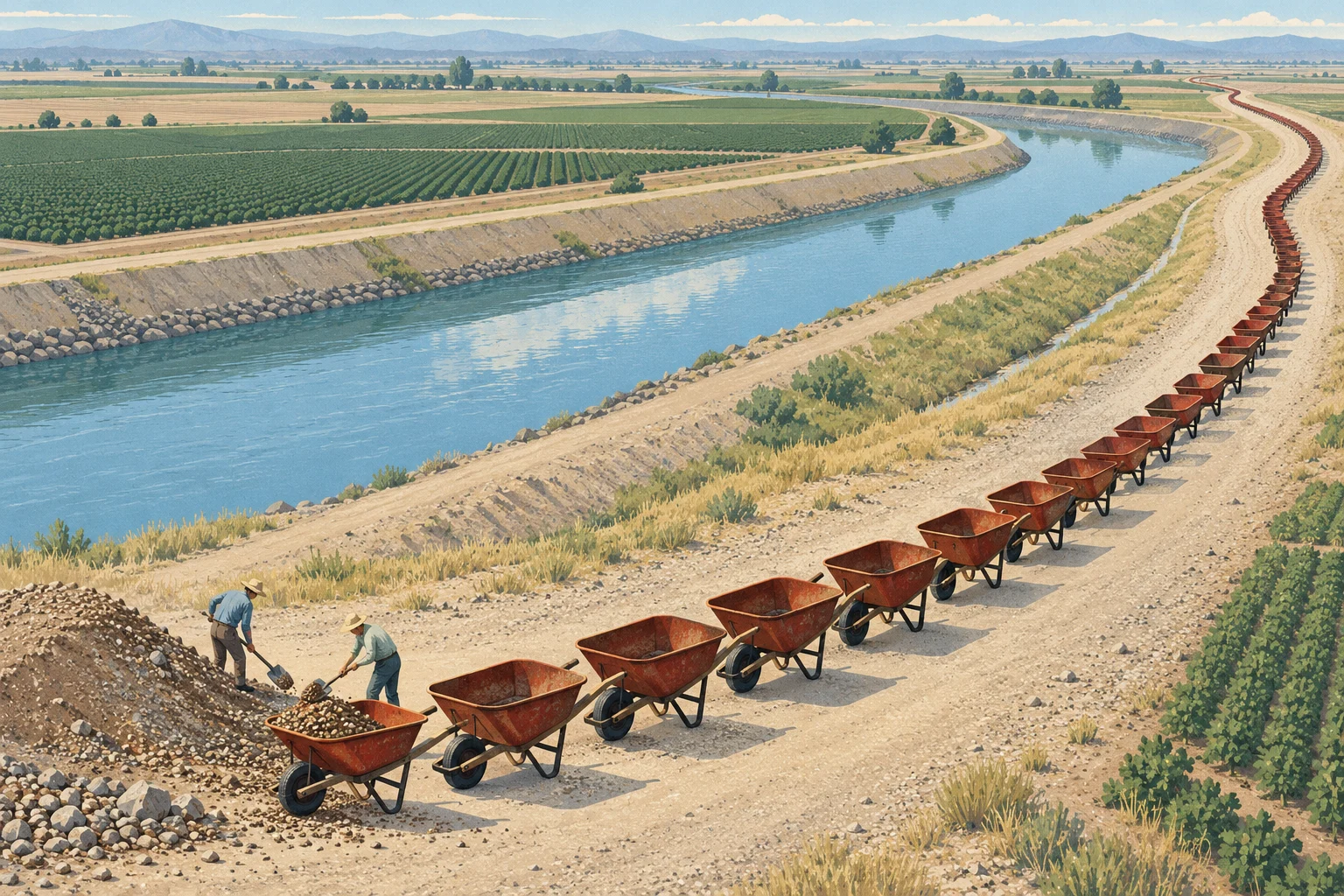
Funding has been moving in the opposite direction. Gov. Gavin Newsom vetoed a bill earlier this fall that would have created an annual repair fund for 1,100 miles of aging Delta levees. According to the Legislative Analyst, about one-third of those miles fall under the State Plan of Flood Control; the rest are privately or locally owned. Newsom said this year’s budget funding made the bill redundant, but CalMatters reports that the available money does not approach the audit’s recommendation.
Lawmakers have also failed to fund continuation of the state Flood Maintenance Assistance Program. Meegan Nagy, general manager of the Knights Landing Ridge Drainage District, said local agencies “now lack funds to work on deferred maintenance and execute larger projects.” Her district had expected the program to help repair erosion identified by the Army Corps of Engineers and now has money to continue only through next year. Unrepaired sites can become critical during high water, Nagy said, and the failure to fix them also puts federal disaster-recovery funds at risk.
Adam Borchard, executive director of the California Central Valley Flood Control Association, urged lawmakers to take the audit “seriously and earnestly invest in our critical flood control infrastructure in the Central Valley.” Engler assigns the funding failure to the Legislature rather than to local districts or the water department. “Nobody cares about flood control because it’s not that big, hot, sexy topic,” he said.
Whether that changes now depends on winter runoff, the department’s next inspections and the funding the Legislature attaches to them. The audit has supplied the count: 14 unfinished critical sites out of 48, and at least $165 million more per year than the state and local agencies currently spend.