
Officials who lived through the Cuban missile crisis told the BBC, in interviews recorded across more than 30 years, that President John F. Kennedy and his brother Robert talked Moscow down, according to a collection the broadcaster published on Monday.
The accounts, gathered by Fiona Macdonald for the BBC, cover the 14 days from Oct. 14 to Oct. 28, 1962, when Soviet nuclear missiles on Cuba, 90 miles from the U.S. coast, brought the two superpowers close to war. They also return to a conversation in a Washington bar, overheard and misheard, that ended up in front of the Soviet leader, Nikita Khrushchev.
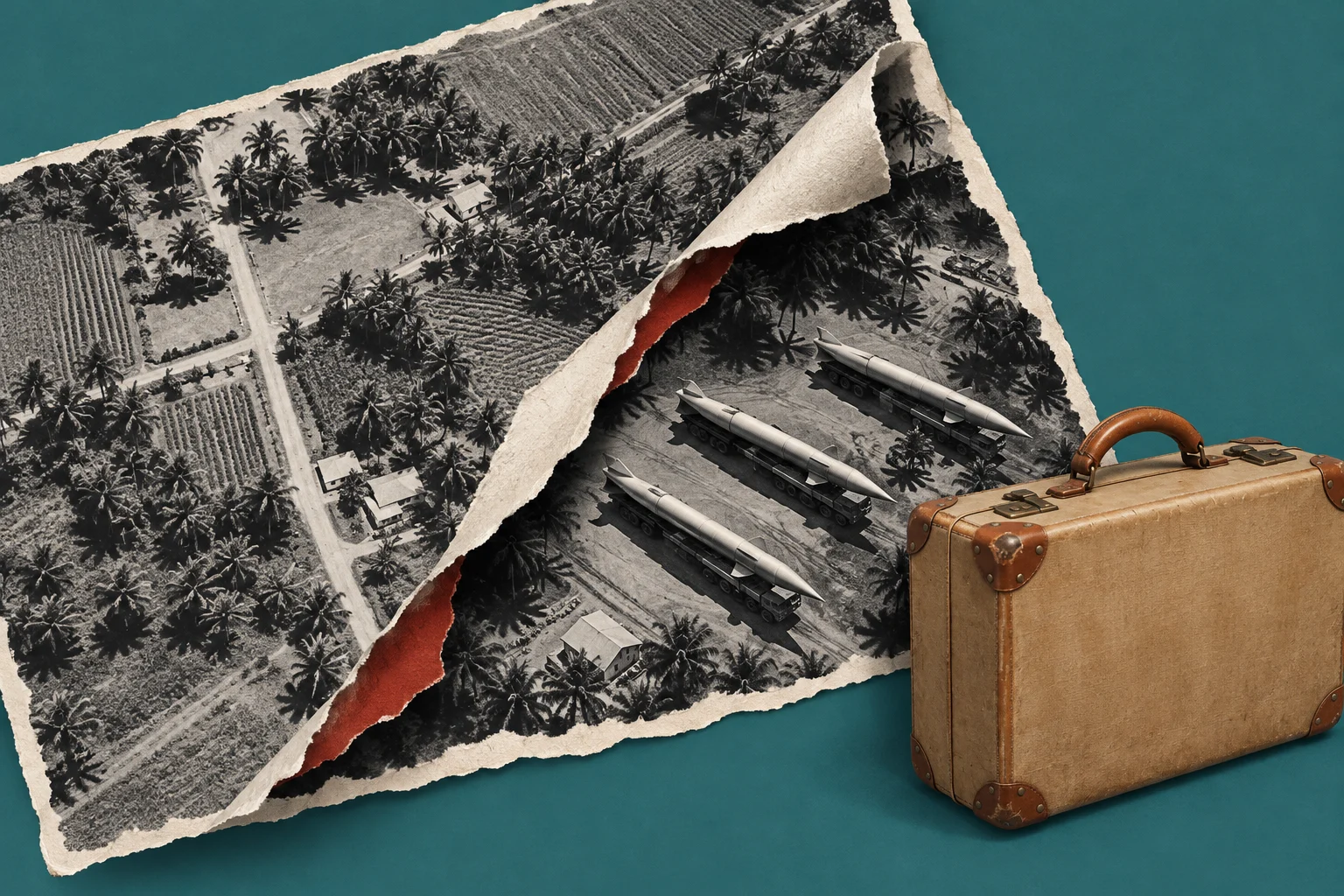
The crisis began with a photograph. Arthur Lundahl, then head of photo intelligence at the CIA, told the BBC program Timewatch in 1992 what he said after studying the U-2 images: “I looked up at them and I said, ‘I know what you’re thinking. And I’m thinking the same thing… We’re looking at Soviet-type medium-range ballistic missile sites, right?’”
Washington had been warned before. Over the summer, more than 40,000 Soviet soldiers, engineers and technicians had come ashore in Havana posing as tourists and agricultural specialists. Robert McNamara, the defense secretary at the time, told Timewatch that the military had received about 5,000 reports of missiles going into Cuba and dismissed them as wrong, because analysts “couldn’t believe that wise political authorities… would run the risk.”
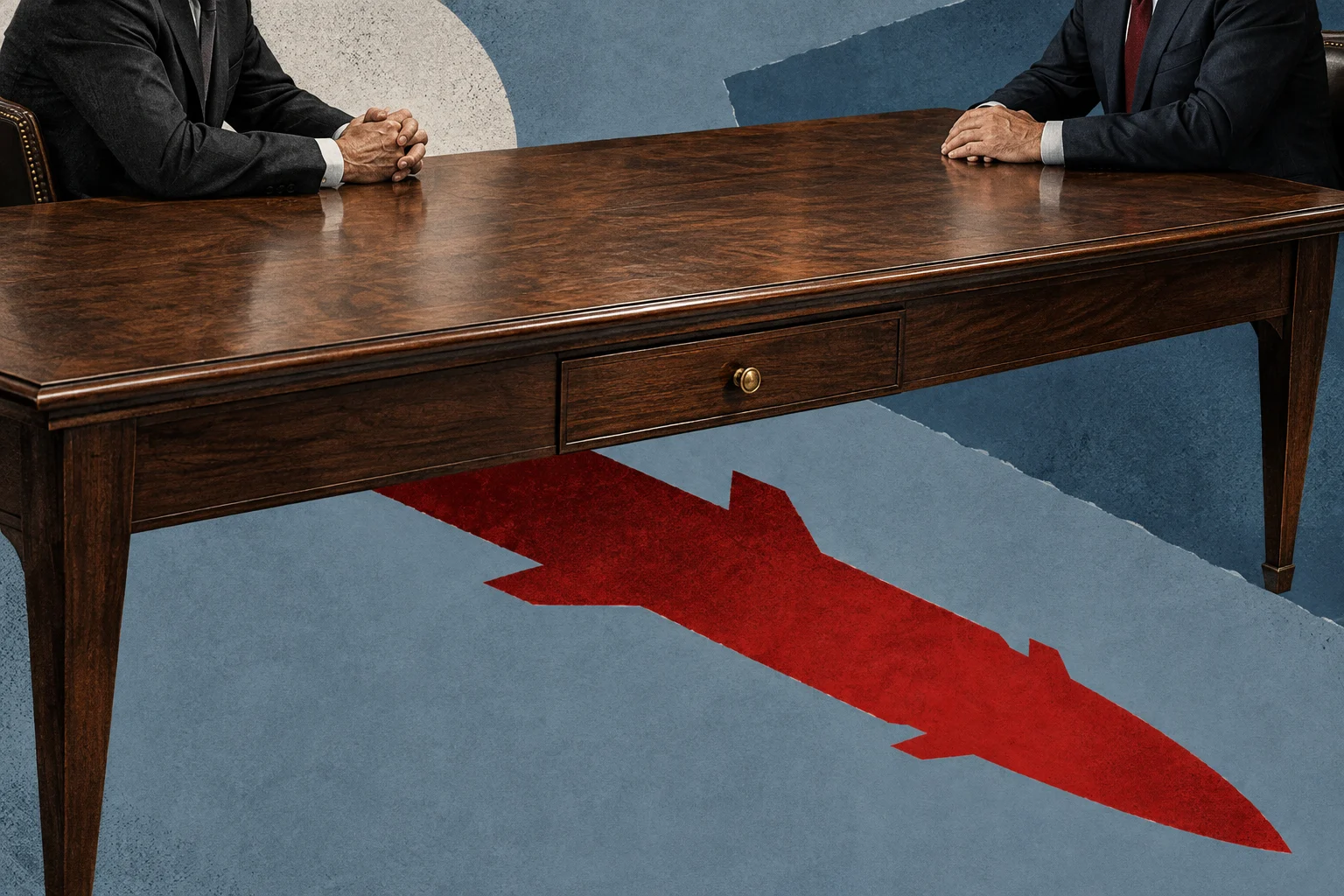
On Oct. 18, with the discovery still secret, Mr. Kennedy kept a meeting with the Soviet foreign minister, Andrei Gromyko, that had been arranged earlier. Viktor Sukhodrev, Mr. Gromyko’s British-educated interpreter, who is listed among the Soviet delegation in the White House memorandum of the conversation, described the Oval Office to the former BBC Moscow correspondent Allan Little in 2002. “It was civilised, if not the friendliest of discussions,” he said. “I somehow felt that Kennedy was rather tense.”
The photographs were in a drawer of the table between them. “Kennedy never once mentioned the word missile, and he never touched that drawer,” Mr. Sukhodrev said. “But the plain fact is that Gromyko did not have to lie. The question was not put to him.”
Mr. Kennedy instead read out his public warning of Sept. 4 that offensive weapons in Cuba would bring the “gravest consequences,” and Mr. Gromyko said Soviet aid to the island was purely defensive, according to the Kennedy Presidential Library.
Secret recordings of the president’s crisis team, known as ExComm, caught him weighing Mr. Khrushchev’s motives. “He’s initiated the danger, really, hasn’t he? He’s the one playing God, not us,” Mr. Kennedy said.
The Joint Chiefs of Staff wanted military action as later U-2 flights showed the sites nearly finished. Dean Rusk, then secretary of state, told Timewatch that the president walked into the cabinet room on the day of decision and said, “Well, gentlemen, today we’re going to earn our pay.” Mr. Kennedy ruled out an airstrike and invasion for fear of escalation, and on Oct. 22 he announced the discovery along with a quarantine on offensive military shipments to Cuba.
The bar episode came out only after the Soviet Union collapsed. Anatoly Gorsky, a KGB officer working under cover as a Tass correspondent, stopped for a drink at the National Press Club as the bar was closing. The bartender, a Russian emigre named Johnny Prokoff, told him that two New York Herald Tribune journalists, Warren Rogers and Robert Donovan, had been talking about joining a U.S. invasion force due to hit Cuba the next day. Mr. Gorsky rushed back to the Soviet Embassy and cabled Moscow.
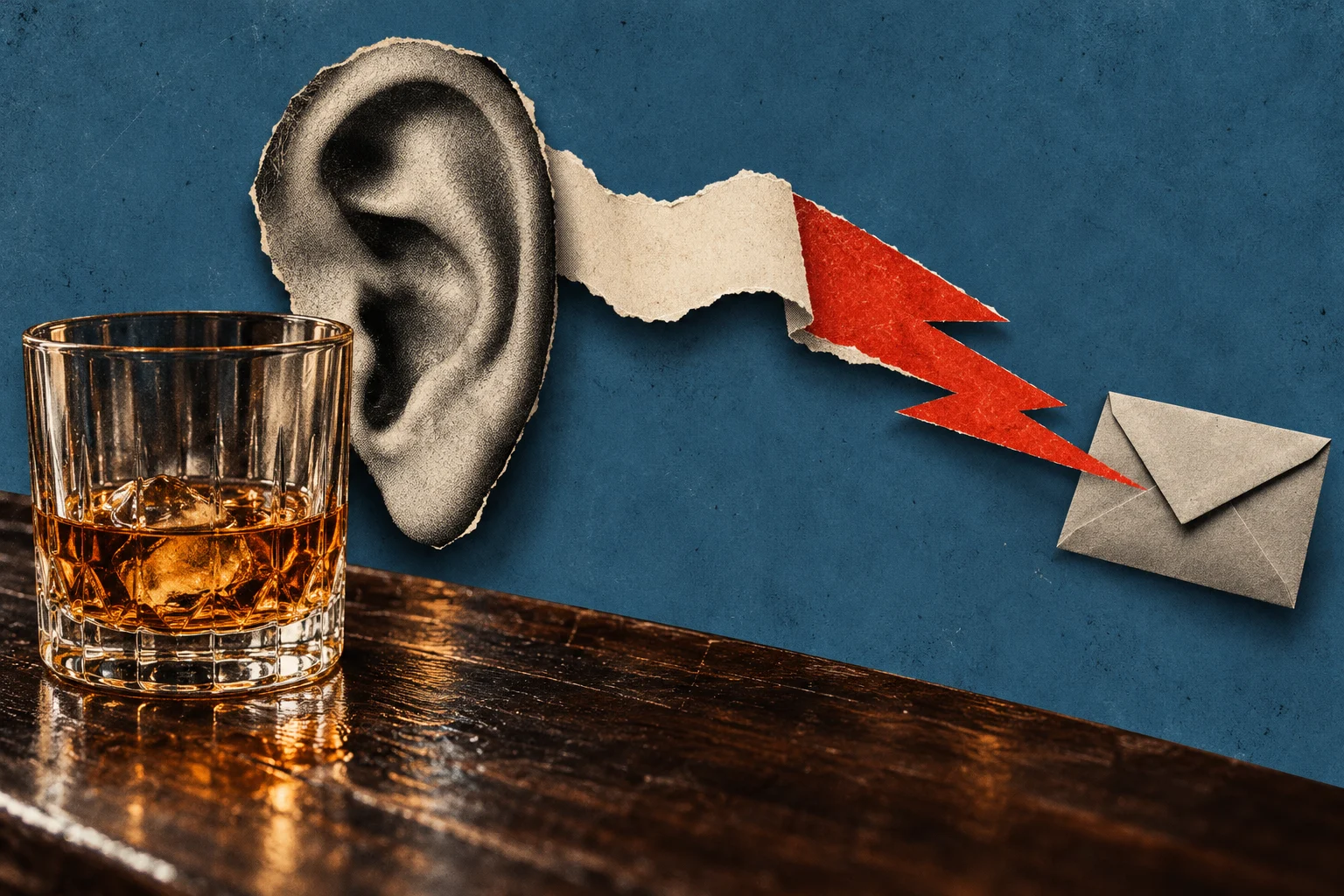
The reporters had only been discussing how they would cover an invasion if one came. The Press Club’s own history says Mr. Rogers was talking with his bureau chief and that Mr. Prokoff heard “when” for “if.” The club says there is no evidence Mr. Prokoff was a Soviet agent, and the BBC says he is not believed to have been one. The National Security Archive has noted that the KGB, for all its claimed sources, leaned during the crisis on a bartender’s tip that turned out to be wrong.
Oleg Troyanovsky, a close aide to Mr. Khrushchev, recalled that the Soviet leader was badly shaken by the message. “By that time, I think, he realised that this is a pretty dirty business which he got himself into,” he said.
Lord Harlech, the British ambassador in Washington and a friend of both brothers, told the BBC in 1969 that they understood Mr. Khrushchev needed time to rearrange his position in the Kremlin and with his allies. “And every few hours extra that they would give him would help,” he said.
Harold Macmillan, the British prime minister during the crisis, said both Kennedys had the statesman’s habit of seeing the other side’s position. “How he’s got himself into that position and how to help him to get out of it,” Mr. Macmillan said. “And that was the policy they pursued.”