
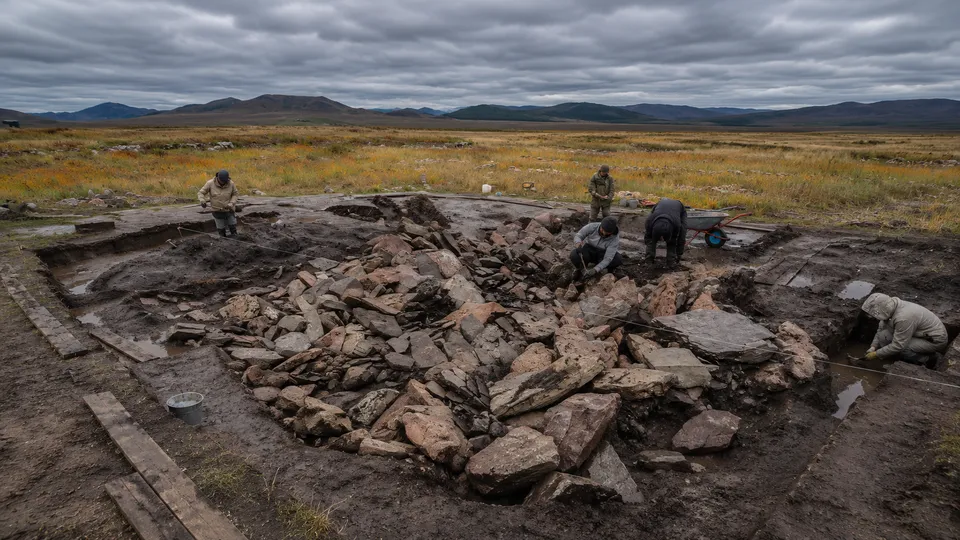
Archaeologists said on Thursday that chemical traces in braided human hair and more than 1,400 seeds from a royal tomb in southern Siberia are the oldest direct evidence of people using cannabis to get high, about 2,800 years ago.
The study, published in the journal Science, was led by Gino Caspari, an archaeologist at the University of Bern in Switzerland and the Max Planck Institute of Geoanthropology in Jena, Germany. It moves the evidence for psychoactive use back by roughly three centuries. The previous oldest finds were about 2,500 years old, among them wooden burners with cannabis residue from graves in the Pamir Mountains, identified in 2019, Arkeonews reported. Researchers from Germany, Russia, Sweden and Switzerland worked on the project, according to a University of Bern statement.
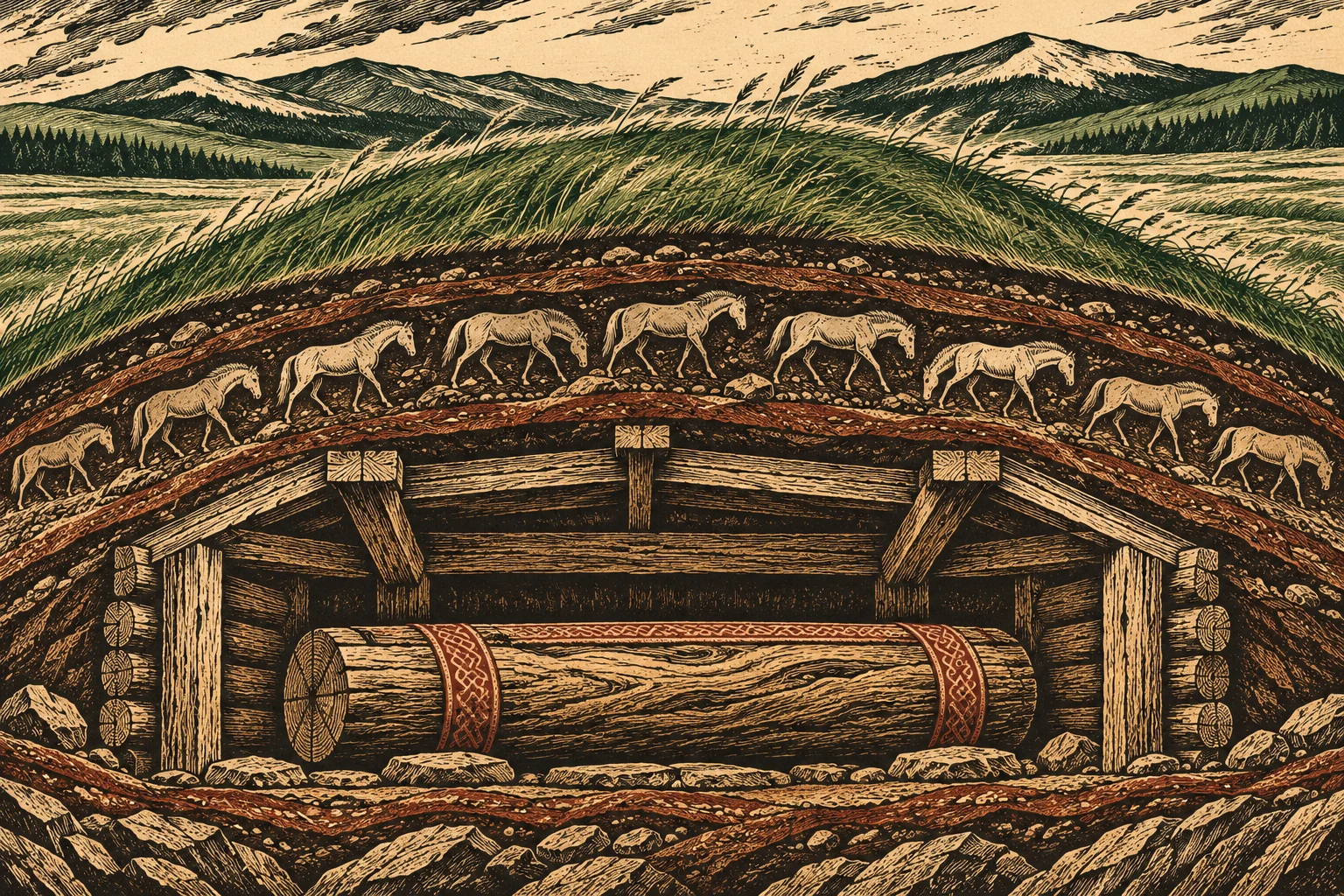
The tomb, known as Tunnug 1, is a mound about 140 meters, or 460 feet, across in the Uyuk Valley of Russia’s Tuva Republic, which borders Mongolia. It dates to the very start of the Scythian period, when horse-riding nomads were spreading across the Eurasian steppe. Six elite people were buried inside in tree-trunk coffins and wooden structures, most of them men and one a woman, 404 Media reported. Dozens of sacrificed horses and human remains lay near the mound’s surface.
Dr. Caspari called the discovery “absolutely crazy” in a call with 404 Media. “People have been speculating a lot about psychoactive use of cannabis in the past, but to actually pin it down and prove it with soft tissue evidence of the humans involved — that is something very special,” he said.
The team picked 243 whole seeds by hand and recovered 722 complete and 516 fragmentary seeds from soil samples washed in water, Gizmodo reported. The plant remains were “almost completely composed of cannabis seeds,” the authors wrote. Radiocarbon dates on six seeds, four of them from the log coffins of two people labeled skeleton 135 and skeleton 139, put them in the first decade of the eighth century B.C., when the tomb was built.
The seeds were small and looked like wild cannabis, which grows across temperate Central Asia and may have been gathered nearby, ScienceAlert reported.
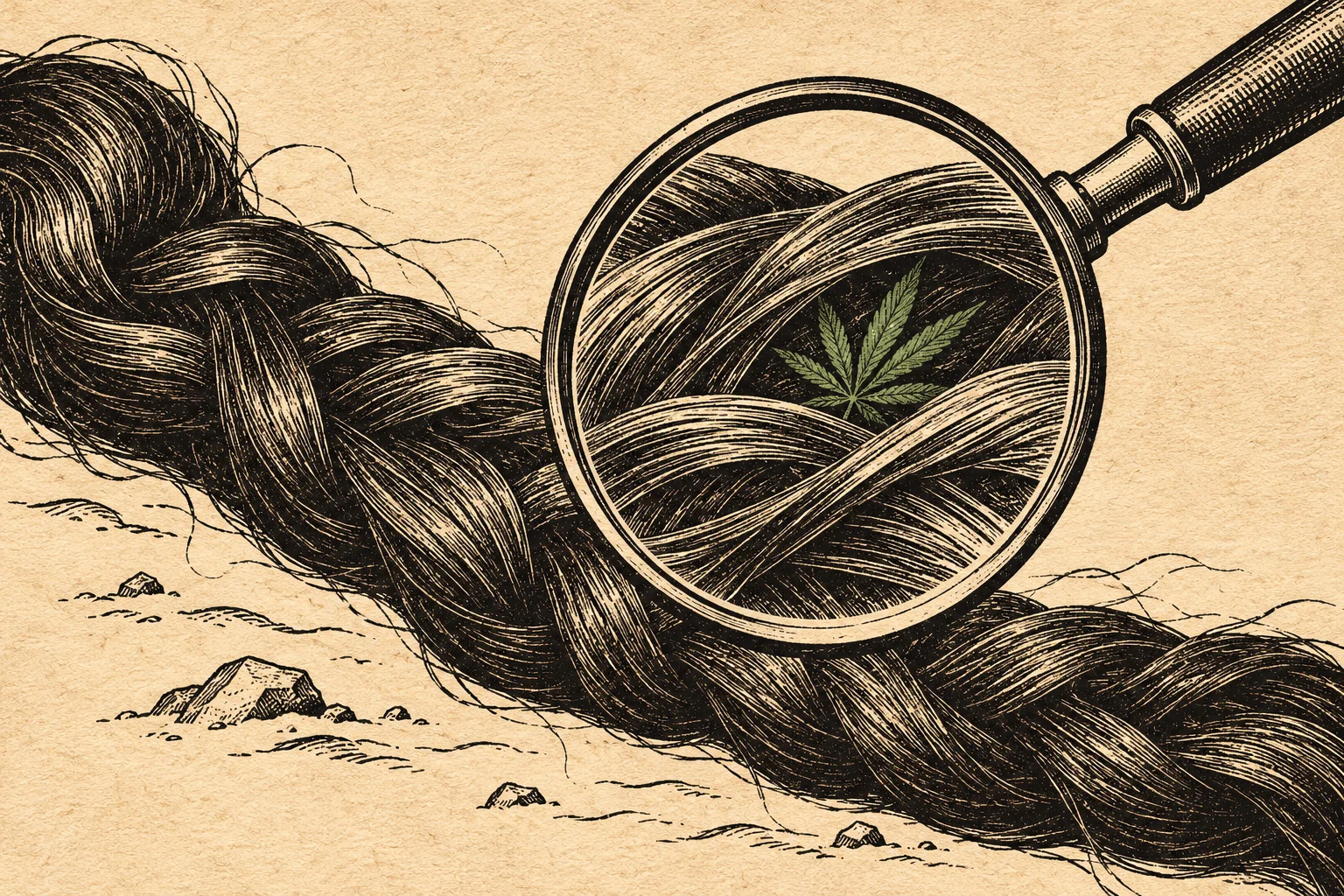
Seeds alone don’t prove anyone got high. The hair was the stronger clue. Mass spectrometry found clear signals of cannabinol, a compound that forms as THC breaks down, in every sample tested, along with much weaker signals consistent with THC itself. The samples averaged 560 parts per billion of cannabinol.
“It is even rarer to find them in combination with human soft tissue like hair, which essentially allows (us) to drug test a person who has been dead for three millennia,” Dr. Caspari told CNN.
Volker Auwärter, head of forensic toxicology at the University Medical Center Freiburg in Germany, who was not involved in the study, called the hair analysis “scientifically weak” in an email to The Associated Press. He said the data couldn’t separate consumption from contamination by cannabis buried alongside the hair, and that a forensic toxicology test would have been easy to arrange. “For a central part of the study, the article falls far short of what would have been possible,” he wrote.
Casper Meyer, an archaeologist at Bard College, told Scientific American that seeds and hair together were a “smoking gun of evidence.” Roger Forshaw, an honorary lecturer in biomedical Egyptology at the University of Manchester, told CNN the hair traces supported a role in funerary rites. “Although we cannot be certain how the plant was administered or precisely what role it played in the burial rituals, the discovery adds considerably to our understanding,” he said.
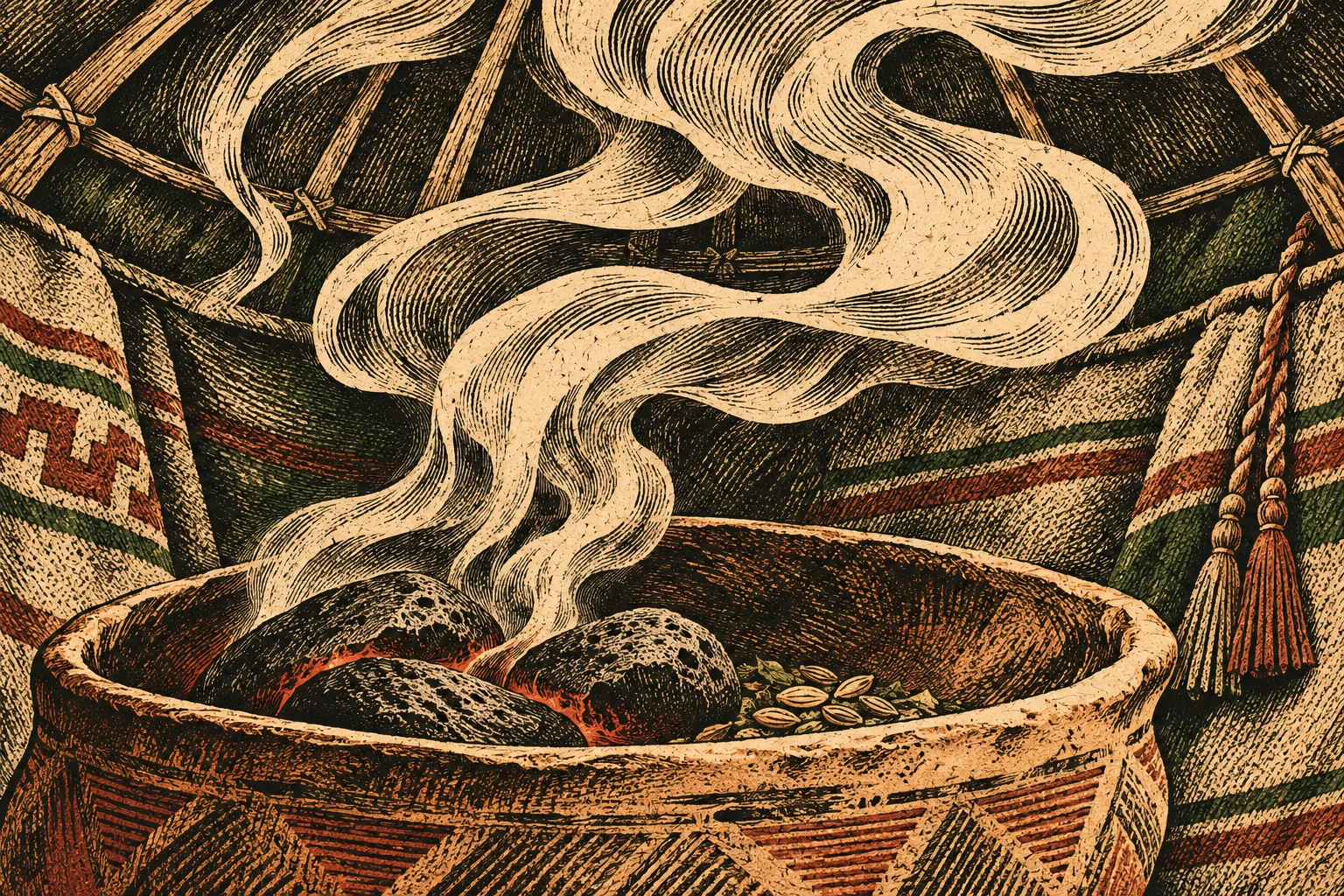
Nobody knows whether the cannabis was smoked or eaten. The Greek historian Herodotus described Scythians breathing vapor from cannabis heated on hot stones, but he wrote centuries after Tunnug 1 was built.
Earlier digs at the site found 18 horses arranged on the mound, Popular Science reported, and later work turned up dozens more along with scattered human bones. The paper suggests the drug may have been used “to calm individuals who were to be included in the rituals.”
“If you imagine humans being sacrificed, they usually don’t like that very much,” Dr. Caspari told 404 Media. “It might be advantageous to have them dosed a little bit, at least, to make the procedure a bit more humane, if you will.” He said that was speculation.
The team has started sequencing DNA from the seeds, which Dr. Caspari told CNN is the oldest preserved cannabis DNA. “In the next few years our team will probably rewrite part of the domestication history of cannabis,” he said.