
18 months of private messages. A secrecy order lasting one year. A group of targeted journalists who, between them, had published more than 1,000 articles over that period. Those are the dimensions of a leak investigation that a three-judge federal appeals panel pushed back on Tuesday, as Ashley Belanger reported for Ars Technica: the Department of Justice asked LinkedIn to hand over reporters’ direct messages, and the demand reached far past anyone connected to the leak.
The underlying probe concerns a report from a news outlet that President Trump said exposed confidential military information in a foreign country; the outlet’s name is being withheld to protect national security secrets. But the DOJ’s request to LinkedIn was not limited to journalists who worked on that report. It swept in journalists with any possible connection to those journalists around the time the report was drafted, and with them, per the court, “a vast number of confidential sources” of reporters “who have no conceivable relationship” to the investigation.

The mechanism: one platform, most of the press corps
The reason a single platform request can reach that far is structural. Most working journalists keep LinkedIn accounts and post their contact information there so that sources can find them, LinkedIn argued. A demand for 18 months of one reporter’s LinkedIn messages is therefore not a search of 18 months of one story; it is a search of every source relationship that reporter maintained across every assignment. Judge J. Harvie Wilkinson III, a Ronald Reagan nominee writing the panel’s unanimous opinion, put it this way: “Many of the users identified have no conceivable relationship to the leak investigation. Instead, they are affiliated with media outlets, universities, and law firms which may have been relevant to the host of other stories the targeted journalists were investigating during the same considerable time period.”
The lower court’s test: could LinkedIn technically comply?
The district court had approved the request on a striking premise: it reasoned that the demand imposed no burden on LinkedIn because the company was capable of compiling the records, then held the balance would tip toward the government regardless of how the competing interests were weighed. The appeals panel called that an error requiring correction. “It is not appropriate for district courts to approve requests purely because the records requested are logistically feasible to compile,” Wilkinson wrote. The lower court had also failed to weigh the First Amendment rights of users who would have no way of knowing the government was reading their communications.
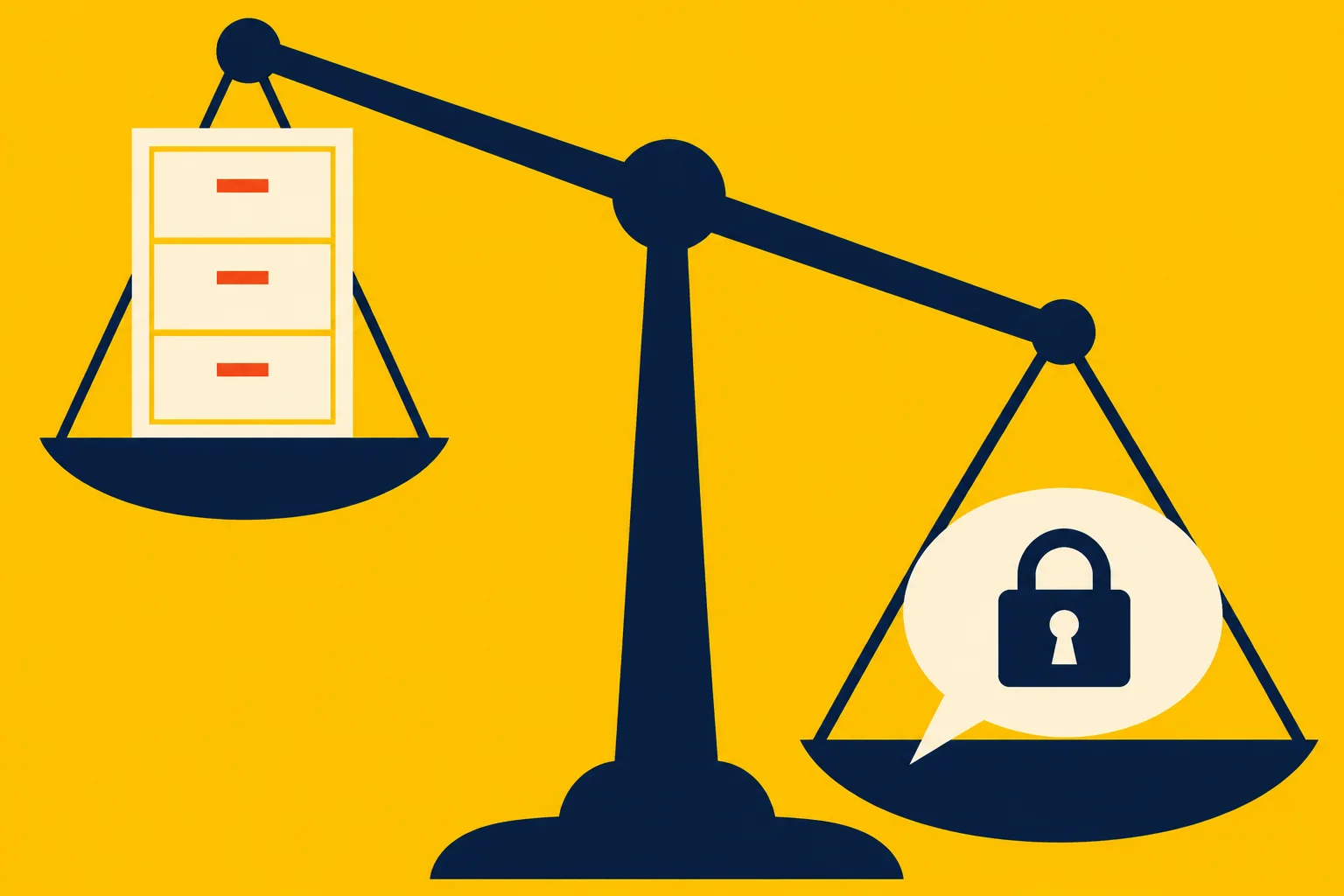
Wilkinson framed the cost of getting this wrong in concrete terms: without intervention, the US risked silencing dissidents who raise alarms about “events of large importance and governmental behavior of dubious legality and integrity.” “A request by the government to scoop up reporters’ records wholesale and ascertain the identity of their sources would tip the balance against informed discourse in a manner inimical to democratic health,” he wrote. His holding also declined LinkedIn’s request to kill the order entirely — “serious security and speech claims are in tension in this case. There is space under law for both” — and instead sent the case back with instructions to substantially narrow the disclosure.
The gag, and the one-attorney fix
The second failure the panel addressed was the secrecy order, which barred LinkedIn from telling anyone about the demand for a year. Judges flagged that this left the affected journalists unaware, for that period, that their First Amendment rights had been compromised. LinkedIn had proposed a narrow alternative: notify a single attorney for the news outlet under investigation that the request exists. The Trump administration opposed even that, arguing the attorney might not be trustworthy or might tip others off. Wilkinson was unconvinced. Noting that courts routinely work with “imperfectly informed litigants,” he wrote that “the government should be given an opportunity to explain why LinkedIn’s narrow disclosure would somehow compromise its investigation” — and then set the bar: “Unless the government’s response to LinkedIn’s proposal is more persuasive than anything the government has presented thus far, LinkedIn’s narrow exception to the breadth of the Secrecy Order must be adopted.”

A Microsoft spokesperson — Microsoft owns LinkedIn — told Ars that “this is an important ruling for the right to privacy and press freedom,” adding that the company has consistently argued that government information demands should face real judicial scrutiny against First Amendment protections. Civil-liberties groups had backed LinkedIn in the fight, among them the Reporters Committee for Freedom of the Press. Its president, Bruce D. Brown, told Ars: “This ruling is a big deal and will quickly become one of the leading opinions in the area—one we will be quoting from it for a long time. The court recognized that confidential sources are the ‘lifeblood’ of investigative reporting and that dragnet demands from technology companies to reveal those sources violate the law.”
The ruling adds to a lengthening docket of press-freedom disputes involving the administration, including a separate fight over restoring three outlets’ White House access. What it does not do is end matters: the district court now has to draw the narrower order itself, and the government still has the option — which Wilkinson left open — of showing why even notifying one lawyer would compromise its hunt for the leaker. The number to watch is how much of the original 18-month, multi-reporter dragnet survives that exercise.