
Here is a sequence of events. In June, a federal jury in Los Angeles convicted Andrew Left, the founder of Citron Research and probably the best-known activist short seller in America, of securities fraud. One of the witnesses against him was Daniel Bachus, the chief financial officer of Grand Canyon Education. In August, Grand Canyon put Bachus on paid leave because of a government investigation into somebody else’s trading in Grand Canyon stock. And this month, as Jacob Shamsian reported for Business Insider, Left’s lawyers asked the trial judge to throw out the verdict, arguing they never got the chance to question Bachus about any of this.
Start with the case itself. The jury convicted Left on 13 counts. The Justice Department’s announcement of the verdict breaks that down as one count of running a securities fraud scheme and 12 counts of securities fraud, and says he made at least $21 million between March 2018 and October 2023. CNBC reported that the jurors acquitted him on four other counts. Prosecutors said Left used social media and research reports to put target prices on stocks, Tesla, Nvidia and Palantir among them, while quietly trading those same stocks at different prices with his own money. Left took the stand in his own defense and said the views he published were sincere.
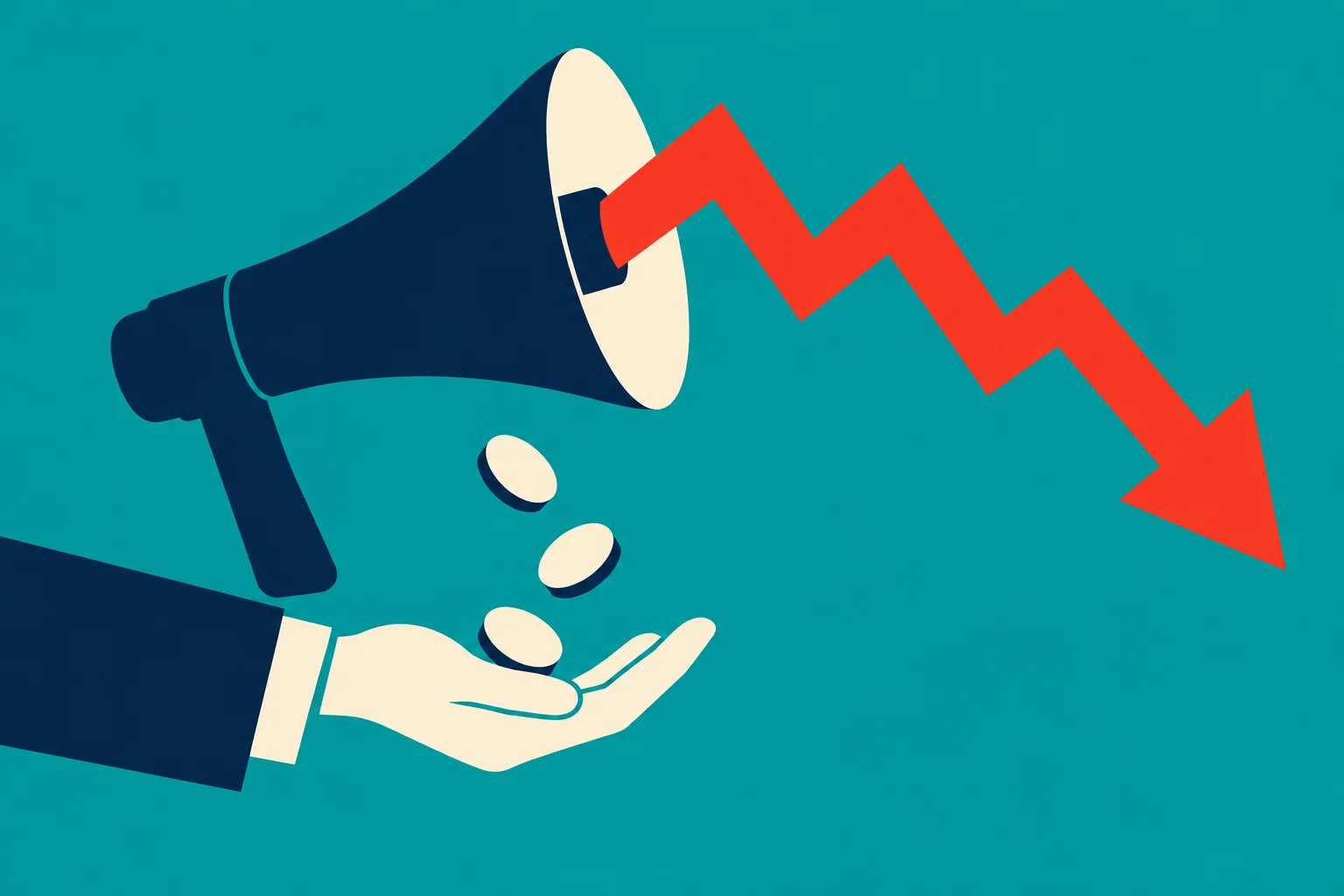
The interesting part of the case, and the reason parts of Wall Street treated it as a referendum on free speech and on how short sellers operate, is the difference between lying and not mentioning something. The activist short seller’s business model is perfectly legal in outline: you bet against a stock, then you tell everyone why you think it’s overvalued, and if they agree the price falls and you make money. Nobody expects you to disclose the exact moment you plan to take your profit. So if you publish “this stock is worth $X” and then buy back your short well before it gets anywhere near $X, have you committed fraud? Or have you just published an opinion and then made a separate trading decision? Opinions are hard to prosecute. False statements of fact are much easier.
That is why Bachus matters so much to the defense. According to Left’s lawyers, he was the only witness who testified that Left used his Citron reports to lie about a company, as opposed to merely leaving information out. Take away that witness’s credibility, the theory goes, and what is left of the case is a man with strong opinions and an unannounced trading strategy.
The 8-K
On August 21, roughly 11 weeks after the verdict, Grand Canyon, a publicly traded company that provides technology and services to universities, filed an 8-K saying it had put Bachus on paid administrative leave “in connection with an ongoing governmental investigation involving a non-employee third party’s trades in Company stock.” The company said the leave was not the result of any problems with its financial statements or accounting, that it was “not a focus of this investigation,” and that it had hired outside counsel, opened its own inquiry and was cooperating with the government. Lori Browning, its chief accounting officer, became interim CFO.

You can read a lot into that filing, but you should be careful how much. A company’s CFO goes on leave because an outsider traded the company’s stock, and the prosecutors in Left’s case have described the matter in their own filings as an “insider trading investigation.” The obvious question is how the outsider and the CFO are connected. Nobody has publicly answered it. No government agency has accused Bachus or Grand Canyon of wrongdoing. The SEC and Grand Canyon declined to comment to Business Insider, and Bachus didn’t respond.
For a new-trial motion, though, Left doesn’t have to show that Bachus did anything wrong. He has to show that the jury should have heard about it. “This evidence would have destroyed the credibility of the government’s only false-statements witness,” his lawyers wrote. And: “A new trial would probably produce an acquittal.” The word “probably” is doing a lot of work there, and it’s deliberate: that is roughly the bar courts set for granting a new trial on newly discovered evidence. Saying the evidence would have been nice to have doesn’t get you there.
Who knew what, and when
The prosecutors’ answer starts with timing. They told Left’s lawyers they didn’t learn about the investigation until after the trial was over. That matters, because the government’s duty to hand over material that could damage its own witnesses applies to what it knows, and a probe the trial team hadn’t heard of is a harder thing to fault it for. What nobody has said publicly is which agency opened the investigation, or when Bachus or Grand Canyon first found out about it. Many of the filings on the question are sealed or redacted.
The prosecutors also argue that Left’s lawyers are inflating Bachus’s role in a case that involved more than a dozen public companies. They say Left wants to run “his own shadow investigation into Bachus” to discredit him. “The law does not permit fishing expeditions in search of a claim,” they wrote.
Left declined to comment. His lawyer, Eric S. Rosen, said he couldn’t talk about it because so many of the relevant documents are under seal. The US Attorney’s office in Los Angeles also declined to comment.
Left still hasn’t been sentenced. When the verdict came in, the Justice Department said sentencing was set for August 31, and that the scheme count alone carries a statutory maximum of 25 years. He also faces a parallel SEC civil lawsuit that hasn’t been resolved. Before all this he was a regular on CNBC and Bloomberg, and he shorted GameStop just as it turned into a meme stock, which made him an enemy of a lot of retail traders online. As a Paul Hastings client alert put it after the verdict, the case raises questions about where legitimate commentary and trading end and illegal market manipulation begins.
Left built a career on telling people not to take what public-company executives say entirely at face value. His motion makes much the same argument about a CFO’s testimony, only this time to a federal judge instead of social media.