
Before every voyage, Ritu Pant asked her husband for two things: the name of his ship and an emergency contact. “I always noted the details and the name of his ship and his emergency contact details in case of a crisis,” she told Ruchi Kumar of Al Jazeera. She wrote them down again on April 25, when Ajay Pant sailed from Paradip Port in Odisha as master of the MT Smyrtos, a crude oil tanker. He had been at sea for 18 years, six or seven months of every year.
She kept her notes against the dangers everyone knew about: the wars in the Middle East and between Russia and Ukraine, and the pirates. In mid-June a social media post told her the Smyrtos had been captured. The pirates had nothing to do with it. Britain had taken the ship.
Six aircraft and two warships
On June 14 the Smyrtos was moving through the English Channel when Royal Marines Commandos intercepted it, in an operation authorised by Keir Starmer, then prime minister. According to the Ministry of Defence, the force included Chinook, Merlin Mk4 and Wildcat helicopters from the Maritime Air Group, a Royal Air Force P-8A Poseidon patrol aircraft, a frigate and a mine countermeasures ship. The tanker was carrying Russian oil, bound for India by way of the Suez Canal. It was in international waters, outside British territorial jurisdiction. The Smyrtos is under Western sanctions as an alleged member of Russia’s shadow fleet, the vessels that keep Moscow’s oil and gas moving past American and European restrictions.
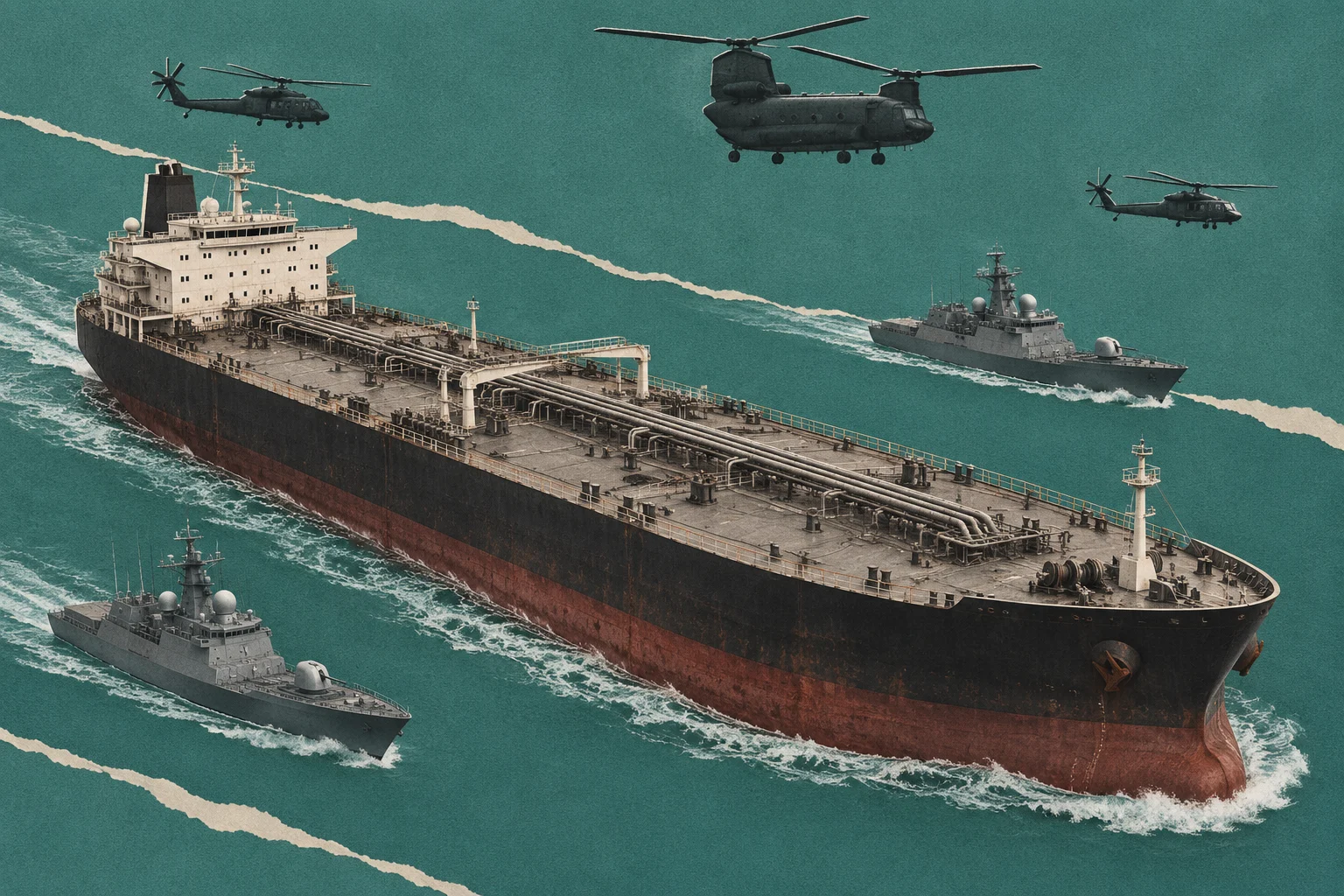
Maritime Executive reported that the boarding rested on Article 110 of the UN Convention on the Law of the Sea, which lets a warship board a vessel suspected of being stateless, and that Cameroon had already struck the Smyrtos from its registry. It is the same old clause of maritime law that European governments have lately rediscovered.
“This successful operation delivers yet another blow to Russia and reminds those fueling Putin’s war in Ukraine that we will not let them hide.”
Starmer posted that on X. The blow fell on one man. Pant, 38, from Ramnagar in Uttarakhand, was charged with supplying or delivering prohibited Russian oil by ship to a third country, contrary to Regulation 46Z9B of the Russia (Sanctions) (EU Exit) Regulations 2019, GB News reported. He was refused bail and has been held in Britain ever since. He is the only person from the ship to be charged, he denies any wrongdoing, and his trial is reportedly set for December 15. His wife has called him a scapegoat.
Ships kept, sailors freed
“This is a unique case,” said Tony Patten, UK representative of the International Transport Workers’ Federation. Other European states have seized ships they accuse of breaking the Russia sanctions, but so far they have kept the vessels and let the crews go. In March a French court tried a suspected shadow-fleet captain in absentia. In Finland, a court dismissed charges against the captain of a Russian oil tanker accused of damaging undersea cables in the Baltic, ruling that it lacked jurisdiction. Elsewhere sailors have walked free after paying fines. If convicted, Pant faces up to 10 years in prison.
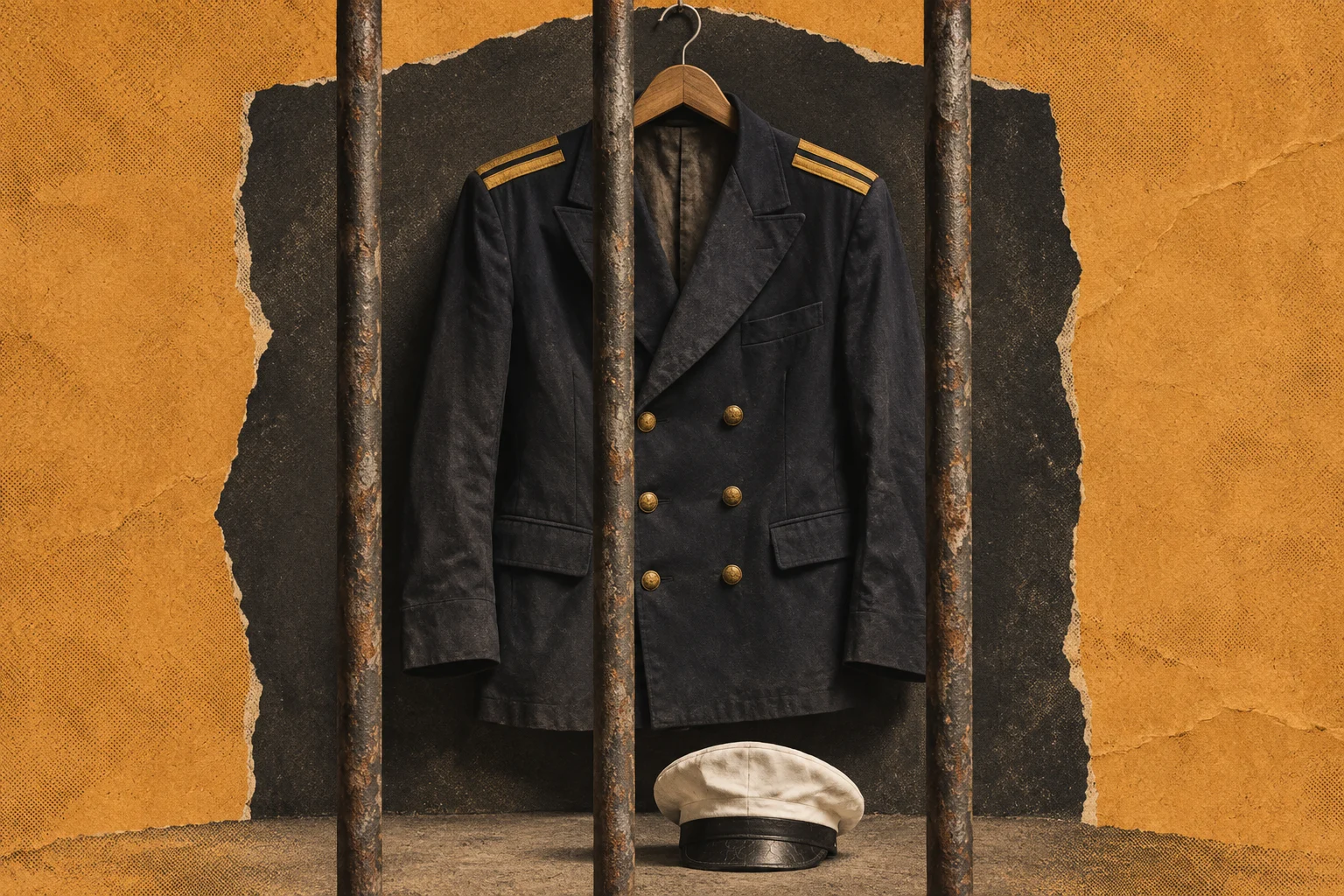
David Hammond, a lawyer and founder of the UN-accredited nonprofit Human Rights At Sea, said nothing like it had happened before: a sanctioned vessel intercepted and taken while it was “having passed through the English Channel as an international transit corridor.” The ruling, he said, will decide how coastal states enforce sanctions at sea. It also points to the “criminalisation of seafarers”, crews arrested for crimes such as drug trafficking involving cargo they may never have known was loaded. He gave the case of Ali Albokhari, a Finnish-Syrian chief mate held by Turkish authorities in 2023 after 137kg (302lb) of cocaine was found on his ship.
“In the case of the Smyrtos, it could be argued that Captain Pant is being criminalised for simply doing his job,” Hammond said. He called it “a perfect storm in a global storm of impunity; who is accountable and who enforces accountability”, and added: “And the unintended consequences of which are yet to be seen.”
The case also exposes a wider tension, between free passage through international waters and states enforcing sanctions that the United Nations never approved. Washington and London both say they are acting within international law. Since February, American forces have also boarded and seized several cargo ships in the Indian Ocean, far from US waters and far from the war, accusing them of helping Iran evade US sanctions.
Disposable assets
The sea Ajay Pant sailed into this year was already deadly. At least 24 seafarers have been killed in the Strait of Hormuz since the United States and Israel went to war with Iran in February, and more than 120 commercial ships and tankers have been attacked in a waterway that once carried a fifth of the world’s energy supplies. In the Black Sea, at least 40 sailors have died in more than 570 attacks on shipping, among them the crew of a grain ship sunk in Romanian waters. Somali piracy has returned. The International Maritime Organization confirmed to Al Jazeera that at least 66 seafarers have been killed in conflicts this year and hundreds injured. Many more are missing and feared dead.
“It has been a horrible year for people at sea,” Patten said. Hammond was blunter: “Undeniably, seafarers are seen as disposable assets, disposable because they can be easily replaced but concurrently, as assets for assuring continuous global movement of goods by sea.”
Ritu Pant had tried to hold that danger off by talking to him. “When I talked to Ajay, I would tell him that you need to keep in touch always; you need to tell me that you’re fine and everything is safe around because the situation of the sea was very bad.” When the signal failed for days at a time, she followed the ship online, as more and more sailors’ families now do.
One reflection: governments find it easier to put a man in the dock than a fleet. The owners of a shadow fleet hide behind changed names and changed flags, and the master is the one whose name appears on the paperwork. Four months after the seizure, Navy Lookout reports, the Smyrtos is still anchored off Portland with about 100,000 tonnes of crude on board, and winter storms are coming.