
Only the winners can afford some confessions. A man whose product has failed doesn’t admit that he spent his meetings dreaming up jokes. A man whose product has just climbed to the top of the charts can say so on a podcast and get a laugh.
Alexandr Wang, 29, chief AI officer of Meta, told the podcaster David Senra that during recent company meetings he had trouble keeping his attention on the room. His mind was on memes about Muse, the company’s new personal AI assistant. “I would just like think of a meme and I’d be like ‘Oh God, I have to get this out,’” he said, as Business Insider reported. His colleagues, he added, were “somewhat surprised” by how much attention the posts drew. “It actually made an impact on growth,” he said, “which is kind of hilarious.”
The palace nobody wanted to visit
His explanation is about status. Meta owns Instagram and Facebook, where several billion people already have accounts. Yet in Wang’s telling the company never had the one thing a crowd can’t be made to give. “Despite having like these incredible pieces of cultural software like Instagram and Facebook, historically, Meta was not cool,” he said. “I remembered that the internet rewards risk.”
It is an old pattern, offered here as reflection: an empire can own the squares where everyone gathers and still be the least welcome guest in them. Ownership is not affection. Wang’s answer was to send a herald through those squares to tell jokes, and he was the herald.

The episode itself, on David Senra’s podcast, sets the story inside a larger one. According to its description, Zuckerberg recruited Wang after Meta’s Llama 4 setback, Wang left Scale AI after nine years, and he has been rebuilding Meta’s AI lab around small teams and as little bureaucracy as possible. One chapter is titled “Making Meta cool again with memes.”
Ten days to the top
Muse launched on September 8. Ten days later it was at the top of Apple’s App Store, ahead of ChatGPT. Meta says the assistant can do research, fill out forms, buy things online, book restaurant tables and find a dog sitter, and that it connects to email, calendars, Spotify, Instagram and OpenTable. Its arrival sent Meta’s stock soaring and changed the market for AI tools.
The figures on how fast it rose depend on who did the counting. Sensor Tower data cited by Yahoo puts Muse at more than 730,000 U.S. downloads in its first ten days, about 73,000 a day. By that measure it was slower than ChatGPT, which averaged 87,000 a day over its own first eight days. CNBC, also citing Sensor Tower, reported that Muse had passed 2.5 million downloads by September 21. TechCrunch, using Appfigures estimates, wrote that Muse beat ChatGPT’s early downloads and daily users in the United States and Canada over the same period after launch.
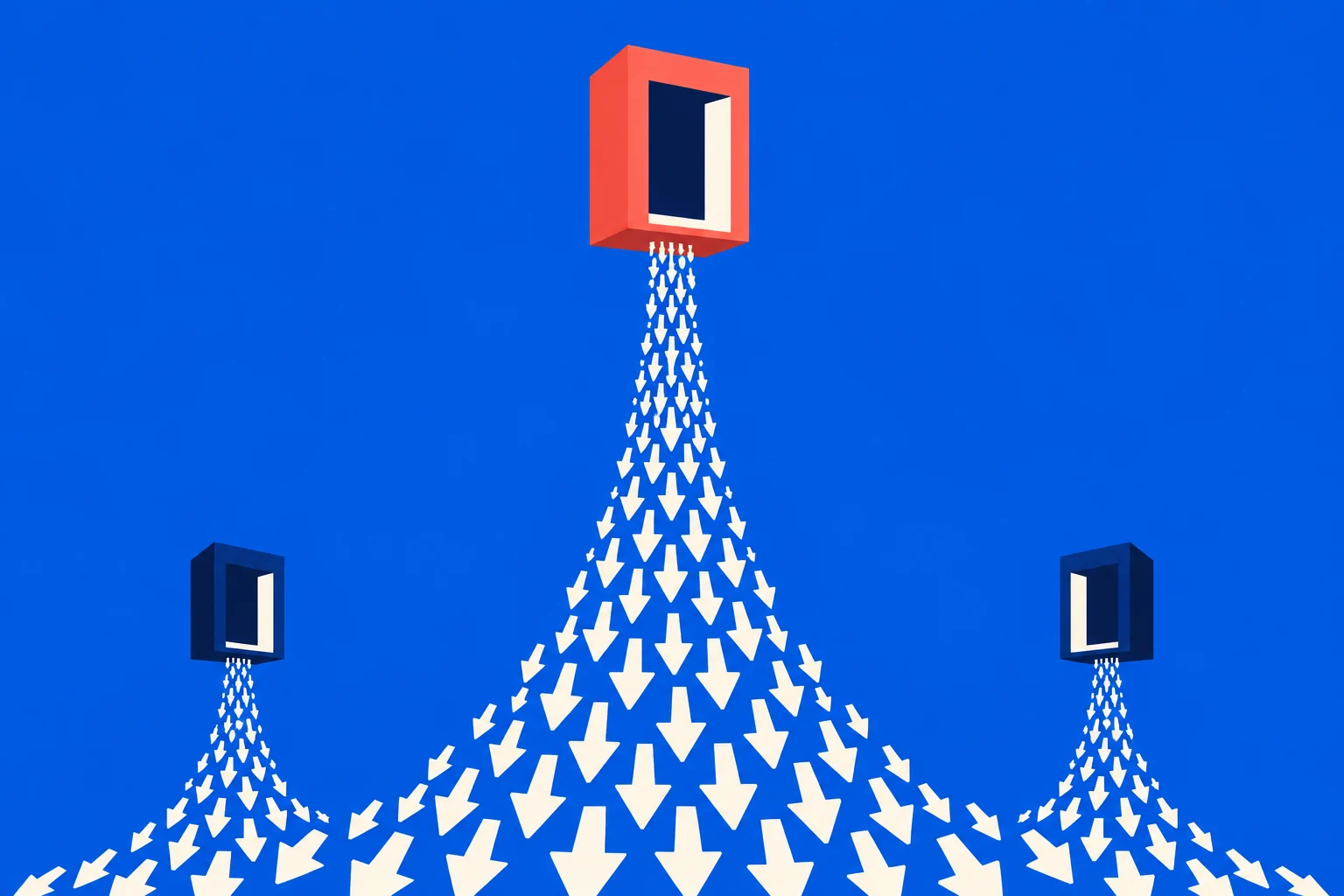
For Meta this was its first real breakthrough in AI. Its Llama and Spark models had failed to find a place in a market already held by OpenAI and Anthropic. Muse wasn’t the first agent of its kind, either: OpenClaw and Instinct were already circulating in Silicon Valley. What Meta had that they didn’t was an audience that was already signed up, billions of accounts on Facebook and Instagram. The same reach brings frictions. Within weeks Muse was drawing one CEO’s purchases away from Amazon, and it had also given out a user’s address.
The jester’s licence
Wang’s feed on X has become something of a public spectacle: frequent, odd and sometimes crude. Futurism reported that he has been relentlessly posting AI-generated memes of Jolly, the company’s furry mascot, some of them sexual. On September 23 he wrote: “some of y’all way too thirsty for muse.”
He doesn’t claim every post was planned. “It was a lot of fun,” he said. “There were like a few tweets where I just didn’t think that much about it and just said, ‘Fuck it, post.’”
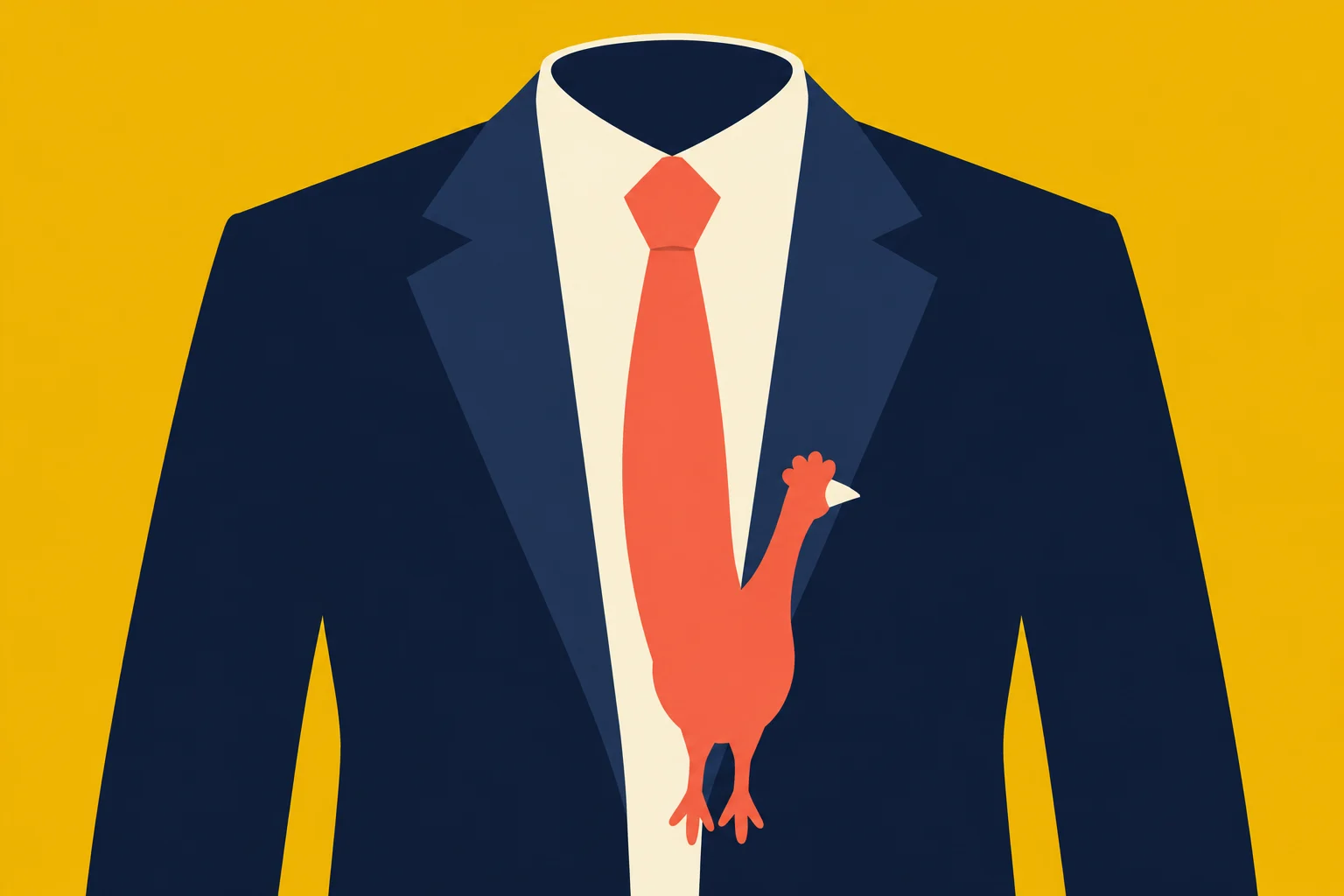
The internet had grown tired of the measured statements of chief executives who may once have been cool and are now in their forties. Mark Zuckerberg is 42. It welcomed the energy of a young executive who has just been given real power in the AI era. The irony runs both ways. Zuckerberg was once the boy in the hoodie who unsettled his elders. Now his company has a younger man play the part of youth for it, and the court finds this charming. Rulers have always kept someone around who is allowed to say what they can’t. These days that person posts on X.
What a chart can’t measure
Reaching number one is not the same as staying there. On September 22 John Gruber of Daring Fireball, looking at a chart with Muse first and ChatGPT second, wrote that “The odds are that Muse won’t stay at the top for long.” A later report in Crypto Briefing, also citing Sensor Tower, said U.S. downloads passed 5 million within 22 days, with daily active users estimated at about 700,000 by late September. The same report said people open Muse far less often than ChatGPT or Instagram.
A meme lasts for an afternoon. An assistant has to earn its place in someone’s day, every day. Wang says his jokes helped bring the crowd. Whether that crowd stays will depend on what Muse does once people have it open, not on what its chief AI officer posts.