
In the history of conquests there is a familiar moment, and it rarely comes on the first day. The banners go up and the speeches are made, and for a while everyone keeps their desks. Then the paperwork settles, the new rulers walk the corridors, and they decide who stays.
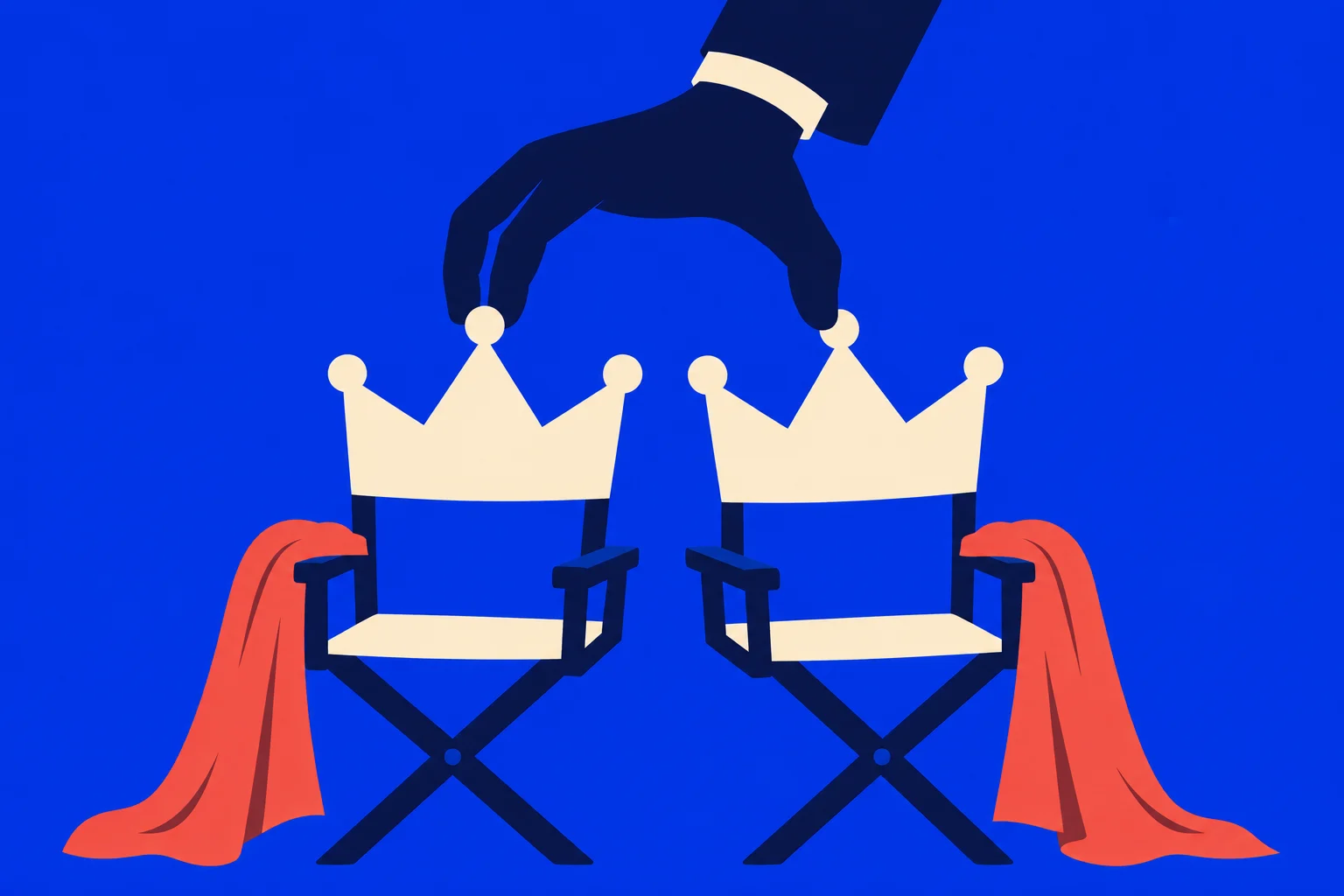
For DC Studios that moment came on Monday, 9 November 2026. Skydance Motion Picture Group announced that James Gunn and Peter Safran were stepping down as co-chief executives after four years at the head of the comic-book studio, The Hollywood Reporter reported. It has been barely two months since the contested Paramount and Warner Bros. merger closed, and the rumour mill had taken it for granted that the pair were safe, Jennifer Ouellette wrote in Ars Technica. Nobody has said publicly whether they walked out or were shown the door.
Their successor is Jeremy Latcham, named president and chief creative officer of DC Studios from 1 December. He will run DC’s film, television and animation slate, with the creative pipeline, production, talent and strategy all under him. The court of the new owners has been busy. Weeks before the deal was done, Paramount’s streaming chief Cindy Holland left, and a judge’s approval of a settlement soon cleared the way for the merger.
The language of departure
Corporate departures are always written as homecomings, and this one keeps the form. Gunn and Safran issued a joint statement:
Four years ago, we set out to unite DC under one creative vision. In that time, we helped restore Superman to the heart of DC, while opening new doors and telling new stories in film and television with Peacemaker, Creature Commandos, Lanterns and Clayface.
They said they had “shared a creative history with Jeremy going back to Marvel” and were “excited to return to what drew us to this job in the first place, which is telling the stories we love, including the next chapter of Clark and Lex’s journey in Man of Tomorrow.”
On his personal Instagram, Gunn was more candid. He had been in two minds about accepting the post at the start, he wrote, but “couldn’t pass up the unique opportunity,” and he regrets nothing. He also called the work trying. There was almost no time to recover between projects, and his ADHD made it hard to keep so many going at once. He disliked “the at-times corporate nature of the job” and thanked Safran for “taking the brunt of that.” His last line sounded like a man stepping out of a building into fresh air: “I will miss being the co-caretaker of these great characters, but I’m also incredibly relieved and excited to get back to pure filmmaking.”
The owners were gracious, as owners are when the matter is settled. David Ellison and Ynon Kreiz of Skydance said that “James and Peter launched a new era for DC Studios and led it through a period of real transformation, resetting the foundation and building a slate we’re incredibly proud of.”

A new chain of command
The most telling detail is not in the statements. It is in the organisation chart. Gunn and Safran answered directly to David Zaslav, chief executive of Warner Bros. Discovery, an arrangement Ars Technica called unusual in the industry. Latcham will answer to Dana Goldberg and Josh Greenstein, co-chairs of the Skydance Motion Picture Group. In any palace, power is measured by how many doors stand between you and the throne. DC’s chief now has one more.
Goldberg and Greenstein promised that under Latcham “every film and television show will be ushered from start to finish through the prism of the legions of fans who love and champion it.” The new man spoke of DC characters “among the most iconic in American popular culture” and called the job “a massive responsibility that I do not take lightly.” He thanked “Dana and Josh” for their trust.
He comes to the post with the credentials the genre expects. Latcham learned the trade under Kevin Feige at Marvel and produced Iron Man, Iron Man 2, The Avengers, Avengers: Age of Ultron, Guardians of the Galaxy, where he worked alongside Gunn, and 2017’s Spider-Man: Homecoming. Later he started his own production company, which made Bad Times at the El Royale in 2018 and Dungeons & Dragons: Honor Among Thieves in 2023.
What the old regime leaves behind
Four years of rebuilding brought mixed commercial results, in Variety’s judgment. Supergirl flopped at the box office. Clayface opened to good reviews and solid ticket sales. On HBO the universe did better: two seasons of Peacemaker, and Lanterns, which Ouellette praised as proof of what happens when a creator is allowed to take real liberties with the genre. Next year brings The People v. Gorilla Grodd, a series about Jimmy Olsen, played by Skylar Gisondo, billed as a “mockumentary crime comedy superhero series.”
Regimes fall faster than their monuments. Superman: Man of Tomorrow, slated for 2028, is in post-production, with Gunn directing and Safran producing, according to Forbes. The two will go on producing DC projects, and the long line of work already in production means their mark will stay on the studio for some time, CBC News observed. Nobody has said what happens to the rest of their plans after that film.
Ouellette has her own wish for the next era: fewer films built to set up the next three, and more stories that stand on their own. She added that she does not run a major studio. Those who do now report to Goldberg and Greenstein, and from 1 December the man who carries out their orders will be Jeremy Latcham.