
Both chambers of Congress, plus a share of the country’s governorships: that is what Democrats took in the 2026 midterms, the party’s strongest showing in decades. In the aftermath, television networks scrambled to book the night’s biggest winners and most recognizable faces, Al Jazeera’s Andy Hirschfeld reports. High on that list sits New York City Mayor Zohran Mamdani, whose 2025 mayoral campaign, progressive strategists say, offers a ‘real model’ for a party already arguing about 2028.
The model cannot run himself. Mamdani is constitutionally barred from the presidency because he is not a natural-born U.S. citizen, and he has instead been working toward a kingmaker role — meeting labor leaders behind closed doors to press the case for a union-aligned or left-wing candidate in the 2028 Democratic primary, Yahoo News reported, citing a source familiar with the effort.
His public line is that the path exists. After the midterm victory, Mamdani told NBC’s Meet the Press NOW that a progressive candidate would ‘absolutely’ have a path to the White House in 2028. The day after the election week wound down — Friday, November 6 — he was in San Juan, Puerto Rico, at a roundtable with local community leaders, the kind of travel a city hall does not require.
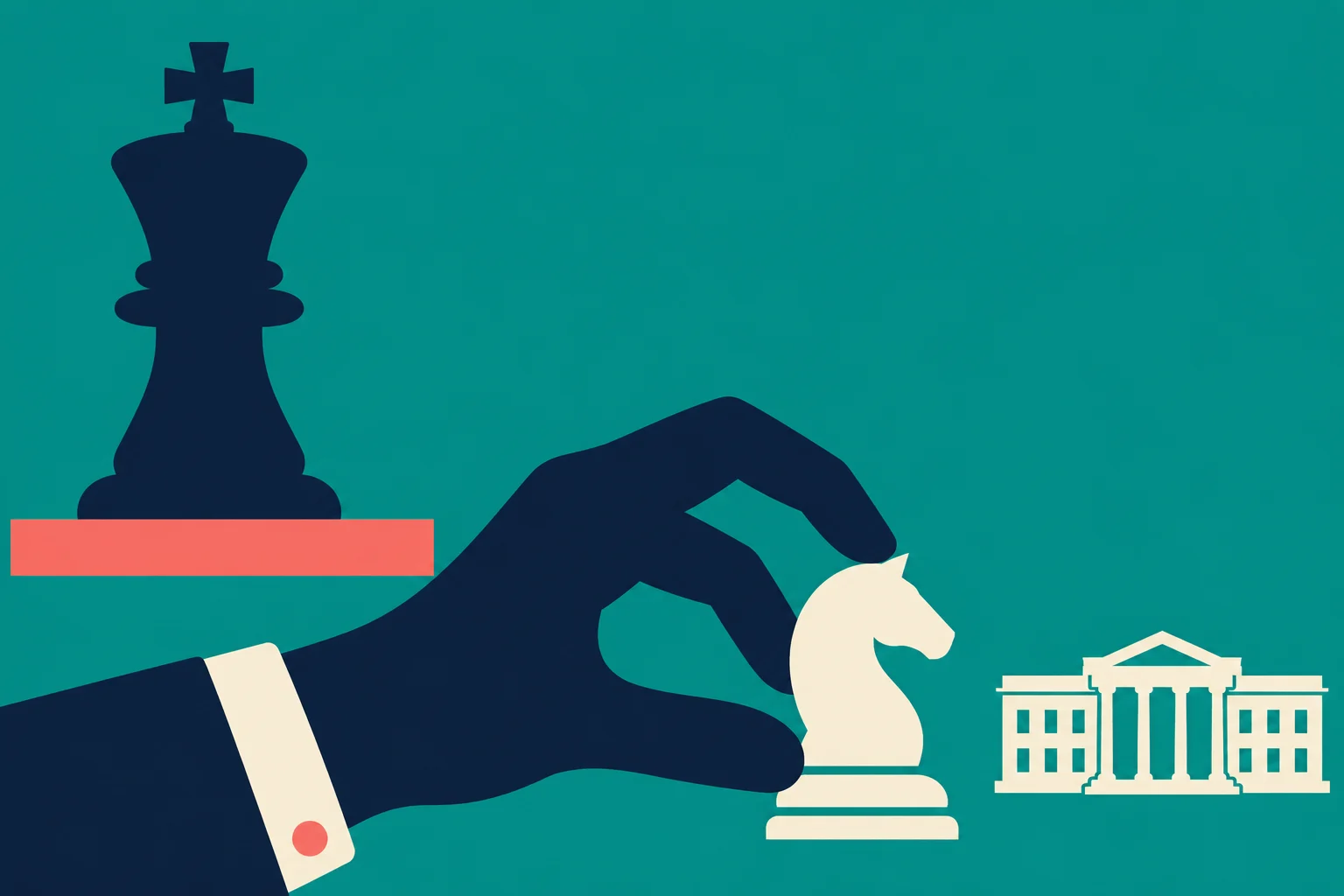
The machine around him has results to point at. Three candidates from his orbit — Brad Lander, Claire Valdez and Darializa Avila Chevalier — beat the party’s old guard in June primaries for safe congressional seats that were effectively decided on Election Day. And in office, his signature expansion tripled free toddler childcare to 12,000 seats, covering one in five of the city’s roughly 60,000 two-year-olds — a record that comes with an asterisk, since the payment system behind it has left providers waiting months.
Whether any of this transfers is an open measurement problem. A mayoral campaign in New York City and a presidential primary across 50 states differ in cost, in electorate and in the policing and foreign-policy questions that arrive with the bigger job, and ‘real model’ is a claim from strategists, not a tested result. The early number to watch is candidate behavior: how many 2028 hopefuls seek Mamdani’s endorsement, adopt his campaign’s methods, or quietly decide that standing next to him costs more votes than it earns.