
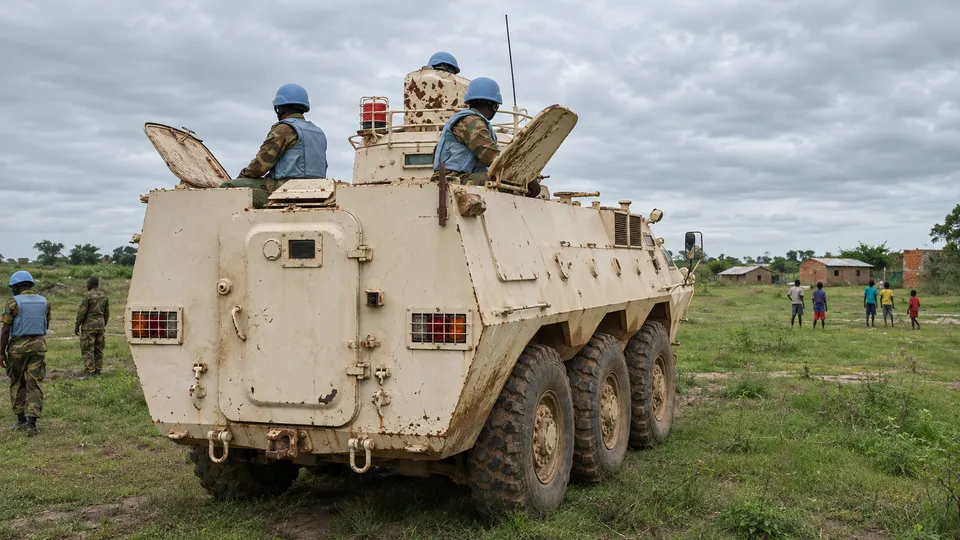
Abiemnom is a remote place in South Sudan’s Ruweng Administrative Area, close to the border with Sudan. The outside world tends to hear of towns like it twice: once when they burn, and again months later, when someone publishes a report on why nobody stopped the fire.
The report came on Thursday. Amnesty International found that the United Nations mission in South Sudan, UNMISS, knew an attack on Abiemnom was likely and still left its roughly three dozen peacekeepers there without reinforcement until after the assault of March 1, as Al Jazeera reported. The South Sudanese authorities, the rights group says, had the same warning and did no better.
A Sunday before dawn
March 1 was a Sunday. The national government later put the start of the attack at about 4:29 in the morning. According to Amnesty, between 1,000 and 1,500 armed men came over from neighbouring Mayom County. They shot people in their homes and as they ran. Survivors told the researchers that some victims were killed at close range after they had been captured or wounded. Houses were set alight and part of the hospital was looted. Government security forces and armed residents tried to hold the town and were overwhelmed.
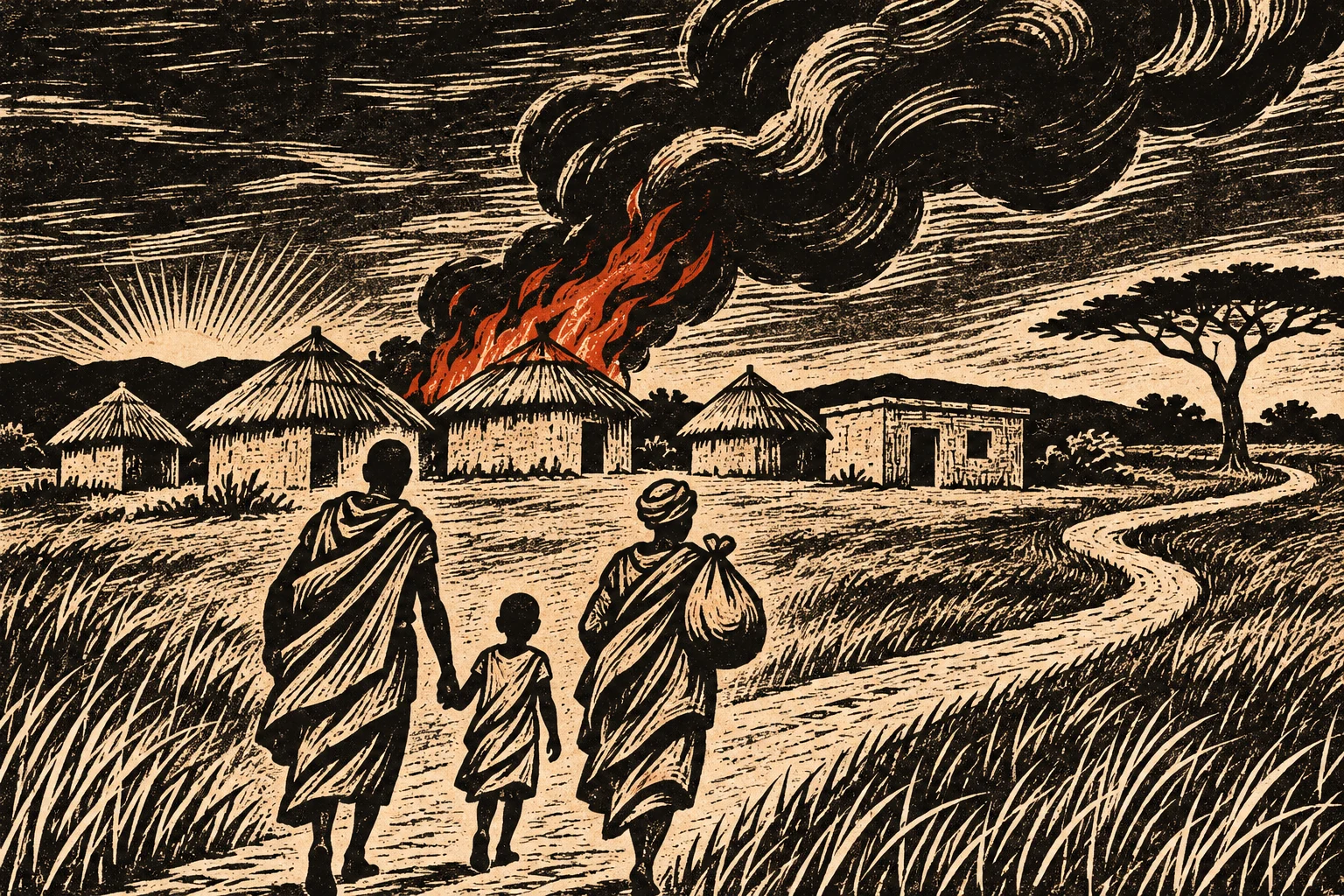
Amnesty suggests the raid may have been set off by an old wound that nobody treated: the unresolved killings of several young men from Mayom in Abiemnom. It was not the first such attack. A similar deadly raid hit the town in April 2025.
The arithmetic of the dead
In the first days officials said at least 169 people had been killed. By March 7 UNICEF was citing local authorities who put the toll at 180, with more than 4,000 people displaced. The authorities’ count now stands at no fewer than 213: 130 residents, 76 members of the security forces and seven foreign nationals, the Associated Press reported. Satellite images show more than 230 structures burned. Most of the dead lie in two mass graves.
In places like this a death toll only moves one way. Each revision is another family that learned late.
What was known, and when
The heart of the report is a question of time. Amnesty says the government and the UN mission had weeks of warning. The mission does not entirely dispute this. In March, UNMISS said tensions in Abiemnom had been high since February 27. Its spokesperson, Priyanka Chowdhury, now acknowledges they had been high since mid-February, and that civilians were already coming to the base for protection in the days before the raid.
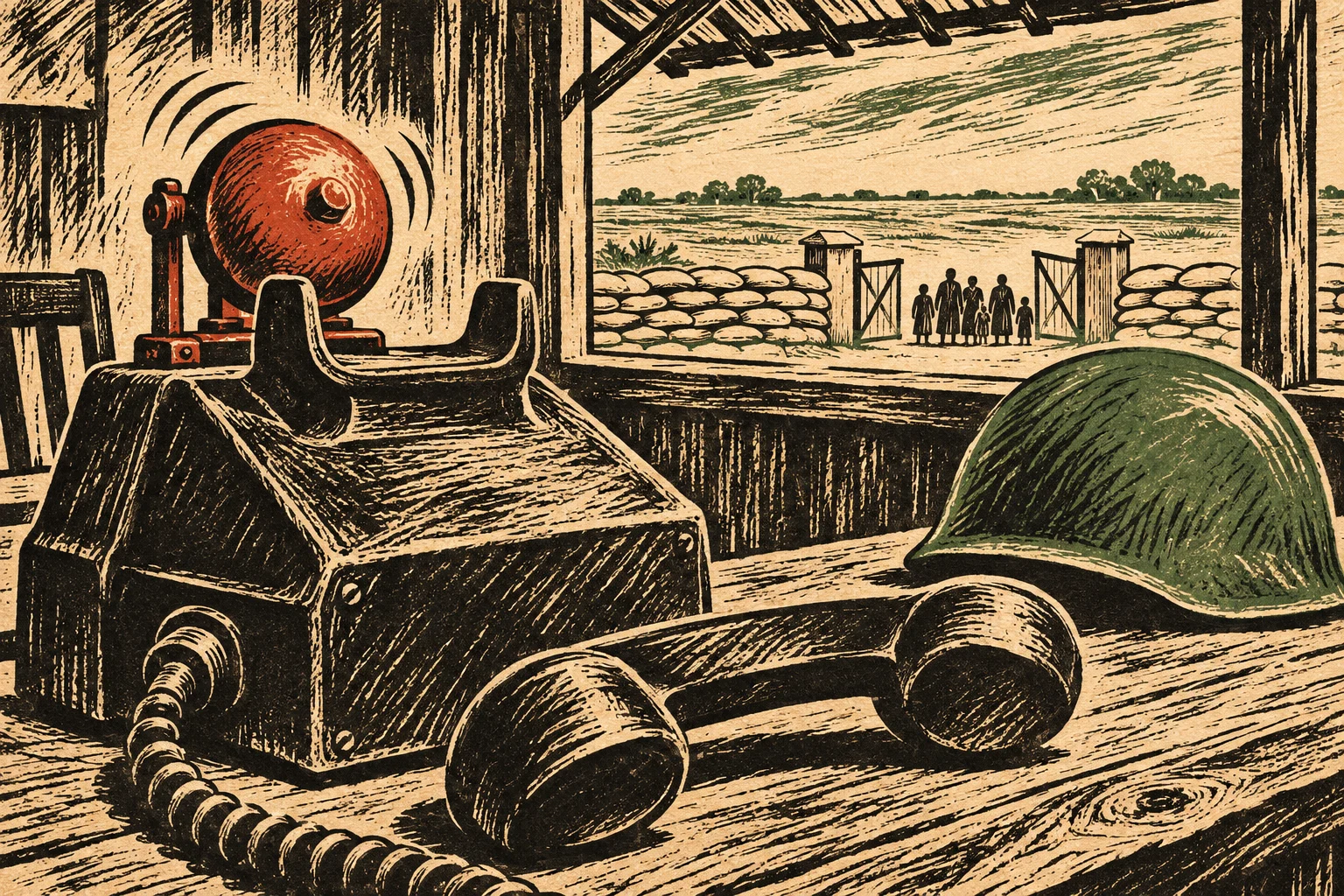
The mission did prepare, after a fashion. It set up a protected area in anticipation of the attack, and some 2,500 people sheltered there. Read one way, that was prudence. Read another way, it was a mission so sure an attack was coming that it got ready to receive the survivors, while the soldiers who might have deterred the attackers were never sent.
Tigere Chagutah, an Amnesty regional director, chose the second reading.
Both the government and UNMISS had sufficient information and time to take more effective preventive action. Their failure to take stronger action cost lives.
The budget as alibi
UNMISS answers with money. Chowdhury said the mission did its best with limited resources, after budget cuts and staff reductions, and that it repeatedly asked South Sudan’s army to send more forces. Faced with too few people, she said, the mission “concentrated its available capacity on immediate protection of civilians seeking refuge within our base rather than dispersing limited forces across tasks they could not safely sustain simultaneously.”
The constraint is real. In April the UN Security Council renewed the mission’s mandate and lowered its troop ceiling from 17,000 to 12,000. But the AP account contains a detail that the budget defence does not explain. After the attack UNMISS deployed 40 extra police to Abiemnom. Amnesty asked why they were not sent before. Chowdhury’s statement did not give a direct answer.
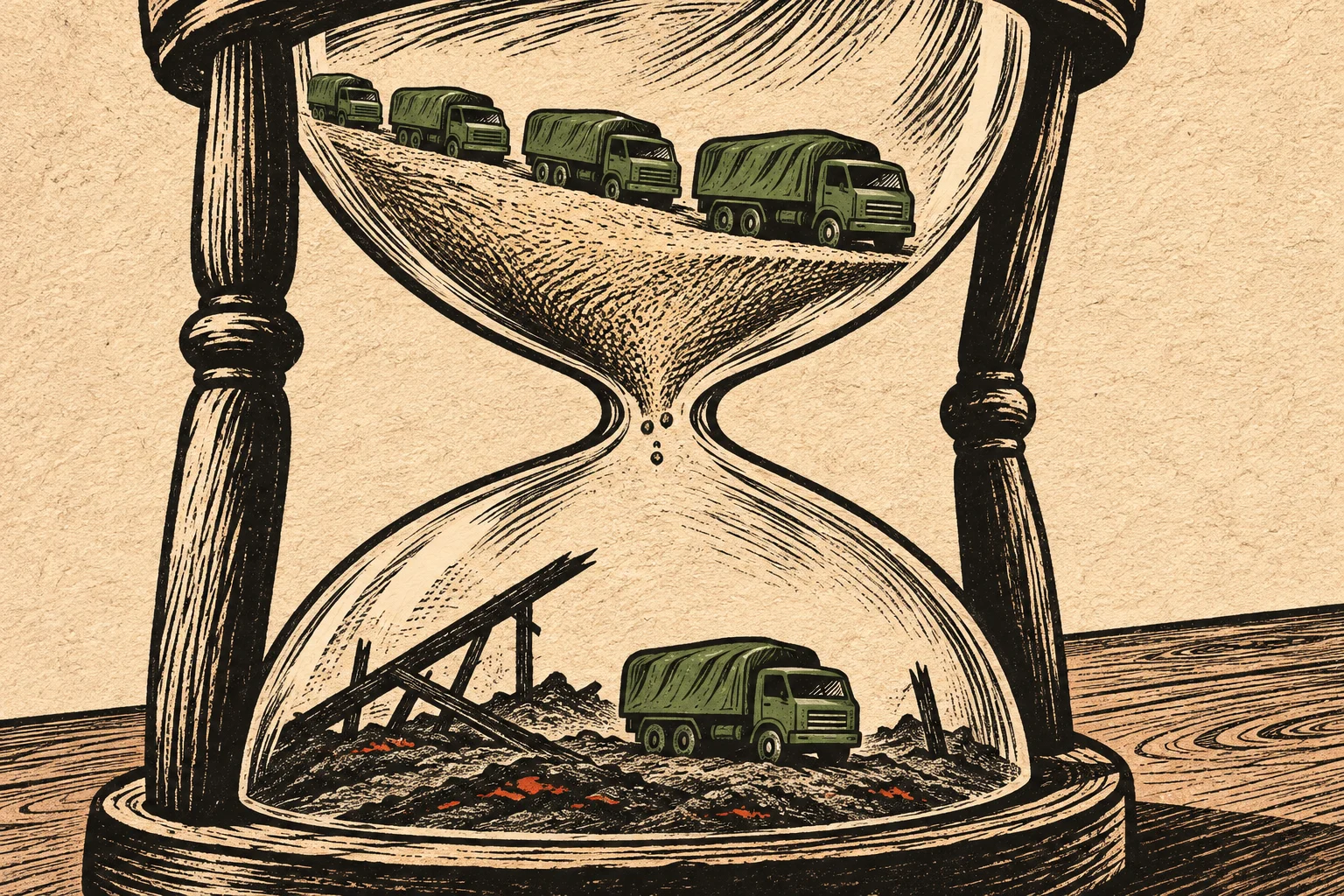
This is how institutions keep their records clean. Reinforcements sent after a massacre count as a response. Reinforcements held back before it are listed as a resource constraint.
Silence in Juba
The government has said even less. According to Amnesty, the authorities failed to protect Abiemnom and have since failed to investigate the killings or hold anyone to account. They did not reply to two letters from the organisation. Government spokesperson Ateny Wek Ateny did not respond to the AP.
The researchers interviewed 82 people, among them survivors, witnesses and medical workers, and checked their accounts against satellite imagery and verified photographs and videos. They withheld the interviewees’ names for their safety, and in South Sudan that tells its own story. Amnesty is calling for a public, independent investigation into the killings, and for a separate review of the peacekeepers’ conduct before, during and after the attack, with the findings published.
All of this comes as renewed fighting wears away the 2018 agreement that ended five years of civil war, and with the country due to vote in elections next month that many fear could break a fragile peace. In March, CBS described Abiemnom as one more episode in a country close to full-scale war. Amnesty says the town’s entire population fled after the attack. Its people have not been counted in any toll.