
On the morning of 15 October 2025, in Koothattukulam, a small town in the Indian state of Kerala, Raila Odinga went for a walk in the grounds of an ayurvedic hospital and collapsed. He had gone there to recover from a mild stroke suffered at home in Kenya. According to Onmanorama, staff gave him CPR and rushed him to Devamatha Hospital, where he was declared dead at 9.52 a.m. He was 80, CNN reported. He had been prime minister from 2008 to 2013. He ran for the presidency five times and lost all five.
A man can lose the presidency five times and still be the axis on which a country’s politics turns. That was Odinga’s peculiar kind of power. President William Ruto declared national mourning and called him a towering figure of democracy and unity. In December an Infotrak poll found that 30 per cent of respondents named his death the most significant event of 2025.
A year later, as Vivianne Wandera reports for Al Jazeera, the Orange Democratic Movement, the party he led for decades, is fighting over the one thing he left it that nobody can agree how to use: a working arrangement with the president.
The man who would not die
Professor Herman Manyora, a political analyst, puts the problem in almost religious terms.
“One year after Raila’s death, he is larger than life. I think there’s a way in which people thought Raila was not going to die. We had immortalised Raila.”
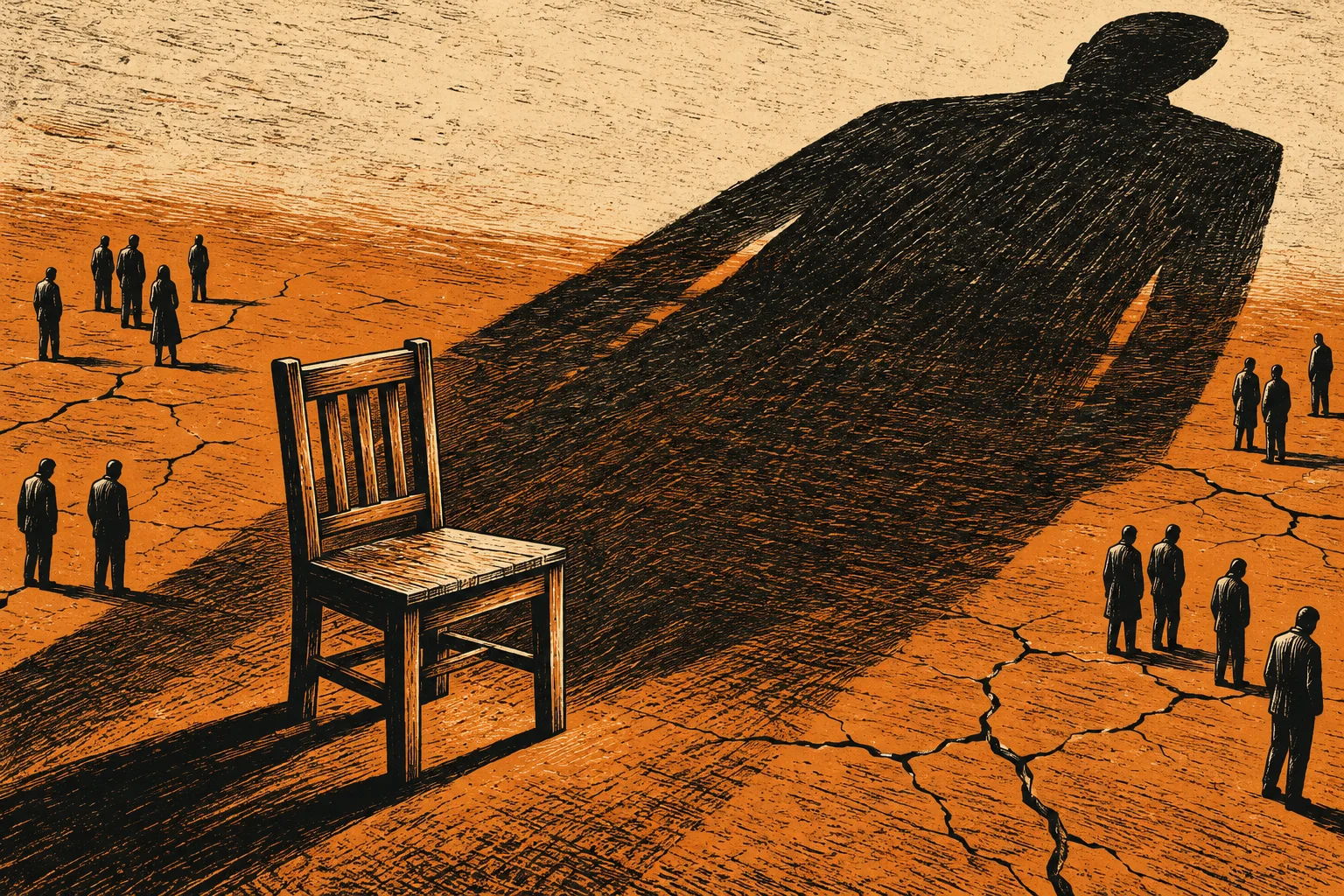
Movements built around one man tend to share a weakness, and it shows itself only at the graveside. While he lived, the opposition held together because of his personal authority, his networks and his talent for bargaining between rival interests. His heirs can inherit the legend. The authority does not pass with it. “The opposition is in disarray. There isn’t a figure that people can rally around,” Manyora says.
The rescue of 2024
The quarrel began before he died. In 2024 young Kenyans filled the streets against the Finance Bill, and their protests grew into a wider anger at taxation, at government, at a political class that answered to no one. The movement grew up largely outside the parties. It was then that Odinga, for decades the face of resistance, moved towards working with Ruto.
Manyora considers that moment decisive. “What happened then was that Raila came to the rescue of President William Ruto because, had he not come to rescue Ruto, I think the government would have collapsed,” he says. Al Jazeera calls his reading of the consequences debatable. Still, the outline is clear enough: the old opponent had become a partner of the president the crowds were marching against.
For some of those in the crowds it felt like desertion. Joshua Okayo, a lawyer and human rights activist who counts himself part of Gen Z, holds both judgements at once: “As a Gen Z, I recognise the kind of politics he fought for. I recognise the years he put into fighting for social justice, democracy, rule of law, constitutionalism, and many good things. But I also have a spot in my heart where I feel he betrayed the generation.”
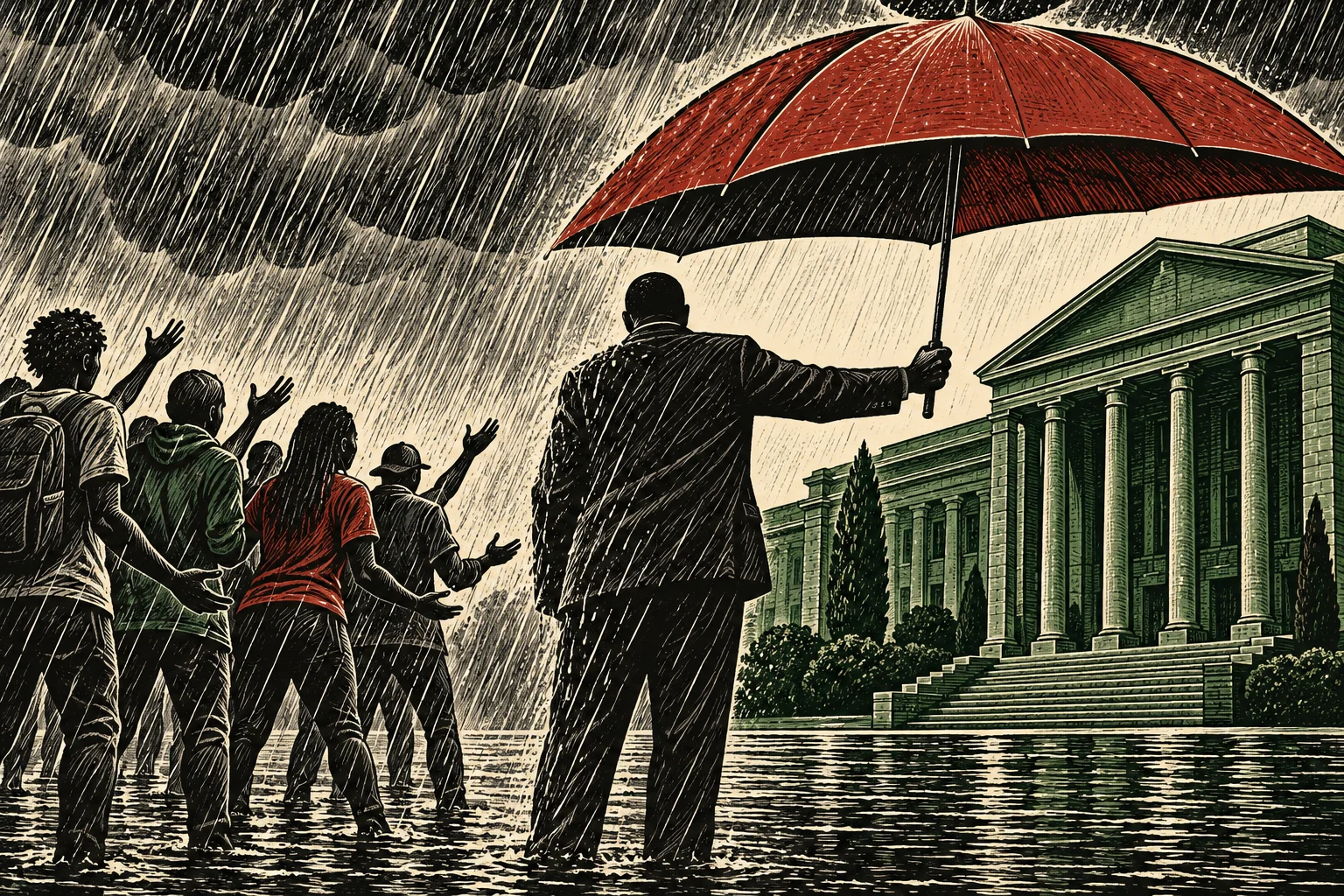
Was it statesmanship, a way to steady a shaken country and win reform through dialogue? Or was it the slow absorption of an opposition into the establishment it was supposed to watch? Odinga never had to settle the question. His party does.
A meeting in Mombasa
It is settling it the way parties settle things, through committees and paperwork. On 11 February 2026, at a meeting in Mombasa, ODM’s National Executive Committee removed Senator Edwin Sifuna as secretary-general, in his absence. Sifuna had opposed closer ties with Ruto. The party said it had considered his conduct and acted within its constitution and the law. In the same sitting it removed Saboti MP Caleb Amisi, Kipkorir Menjo and Taita Taveta Senator Johnes Mwaruma from the committee. Sifuna’s deputy, Catherine Omanyo, was named to act in his place.
Then came the tribunals. The Political Parties Disputes Tribunal temporarily blocked the removal the next day. Months passed. On 9 July the Registrar of Political Parties, John Cox Lorionokou, ruled that the removal had complied with the Political Parties Act and ODM’s constitution. Sifuna’s lawyer, Isaac Okero, replied that steps required under Section 20(2) of the Act had been skipped, called the decision unlawful and said his client would go to court.
Here is a small irony of the post-Odinga age. Whether Kenya’s main opposition party still opposes anything is being decided by a registrar, a tribunal and a subsection of a statute.

Ten points
Omanyo, the Busia County woman representative whom Al Jazeera identifies as ODM’s new secretary-general, defends the arrangement on the grounds of its terms rather than its symbolism.
“ODM’s identity was never just a seat on one side of Parliament. It is democracy, devolution, social justice and the rights of ordinary Kenyans. Raila signed a 10-point agreement with President Ruto. That agreement, not personal loyalty, is the basis of our cooperation with the president.”
It is a lawyer’s defence and a reasonable one, as far as it goes. But a list of ten points proves nothing by existing. It can be judged only by what gets implemented, by what can be measured, and by whether the party will turn on the government when promises lapse. ODM has yet to say when that would be, or how. Until it does, its supporters are left to wonder whether a party born in opposition has quietly moved into the house it used to besiege.
One party’s quarrel does not, on its own, prove that Kenyan opposition is finished. That depends on whether other forces can organise, offer policies people believe in and answer the anger that filled the streets in 2024. Those were the young people who marched without asking any party’s permission.
No one will walk Odinga’s road again. Nobody else will inherit the loyalties of those five lost elections and the decades between them. The question in Nairobi is narrower and harder: whether what he built can stand without him to hold it up.