
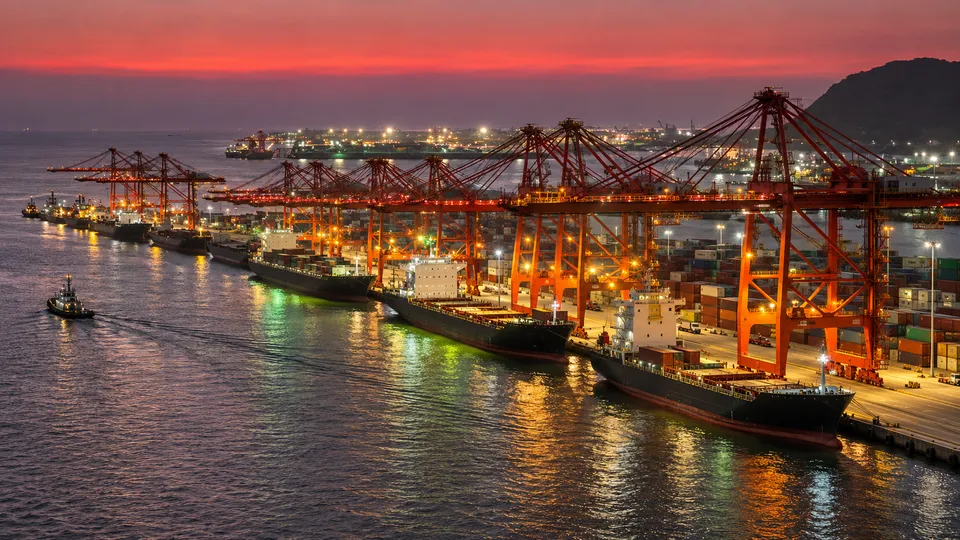
There is a photograph doing the rounds this week that any finance ministry on earth would envy: Chinese-made cars stacked in specialised steel racks at Taicang Port in Jiangsu province, waiting to be loaded onto ships bound for every corner of the world. Yet the figure behind the photograph has two faces. As John Power writes for Al Jazeera, a trade surplus of $1.04 trillion in the first ten months of the year testifies to a mighty export engine — and to structural weaknesses that, left unchecked, threaten to derail China’s bid to join the ranks of the wealthiest nations.
The numbers arrived on Tuesday from the customs agency in Beijing. Exports surged 35.2 percent in October from a year earlier in dollar terms, barely cooling from September’s 36.3 percent leap. As Reuters reported, the surge is riding a global race to build artificial-intelligence infrastructure — red-hot demand, Al Jazeera notes, for semiconductors and automatic data processing machines. The world’s datacentres are hungry, and China is feeding them.
The salesmen of the world
It is the second consecutive year the surplus has crossed the trillion-dollar mark, the Associated Press reported. But look at the other side of the ledger, where the story darkens. Imports are weak — inbound shipments have missed economists’ expectations, a symptom of a property market in prolonged downturn and of consumers who have closed their wallets. A surplus, after all, is not only what a country sells. It is also what it refuses, or cannot afford, to buy.
This is the arithmetic that troubles Beijing’s planners. The export boom has been masking thrift at home: households saving rather than spending, developers buried under unsold towers, an economy leaning ever harder on the appetites of foreigners. Policymakers, Al Jazeera reports, have been pressed to rebalance toward domestic consumption — the hard, slow work of convincing one and a half billion people that tomorrow is safe enough to spend today. The trillion-dollar headline buys time. It does not buy confidence.
And there is a price abroad for dependence on foreign demand. A surplus this size sharpens tensions with China’s major trading partners, Reuters notes, above all the European Union and the United States, where tariffs and accusations of overcapacity are already the grammar of the relationship. Every car stacked at Taicang Port is also an argument in someone else’s election.
History is rich with workshops of the world that mistook their order books for their fortune. The ledger of trade is a double entry: on one page, the ships leaving full; on the other, the shops at home half-empty. Whether Beijing can balance those pages — turning a nation of tireless producers into a nation of confident buyers — will decide whether the trillion is a summit or a ledge.