
President Donald Trump has some emergency preparedness advice for Americans: “Tell them to relax, everything’s good,” he said in a Thursday interview with Fox News. “I’ll let you know if there’s a problem.” Vice President JD Vance has been receiving similar inquiries. “A lot of my friends have reached out asking if they should prepare to build a bunker or stock up on food and water,” he told Fox earlier in the week. “My answer to that is no.”
The fact that both men needed to address bunkers tells you something about the past few weeks. Americans have been buying more bottled water, shelf-stable food and emergency equipment, with sales accelerating after a series of conspicuous technology failures. Mike Crawley of CBC News traced the buying wave back to an odd information chain involving the Pentagon, a Fox News report and some extremely creative social-media interpretation.
In late September, Defense Secretary Pete Hegseth announced FORTRESS America, short for Federal Operations for Resilience, Troop Resources, Energy, Supply, and Survivability. The initiative includes giving every major U.S. military installation the ability to generate its own electricity. The Pentagon’s announcement explained the point: “So bases remain lit, aircraft fly, and command centers stay online even if the civilian grid is taken down by cyberattack or sabotage.”
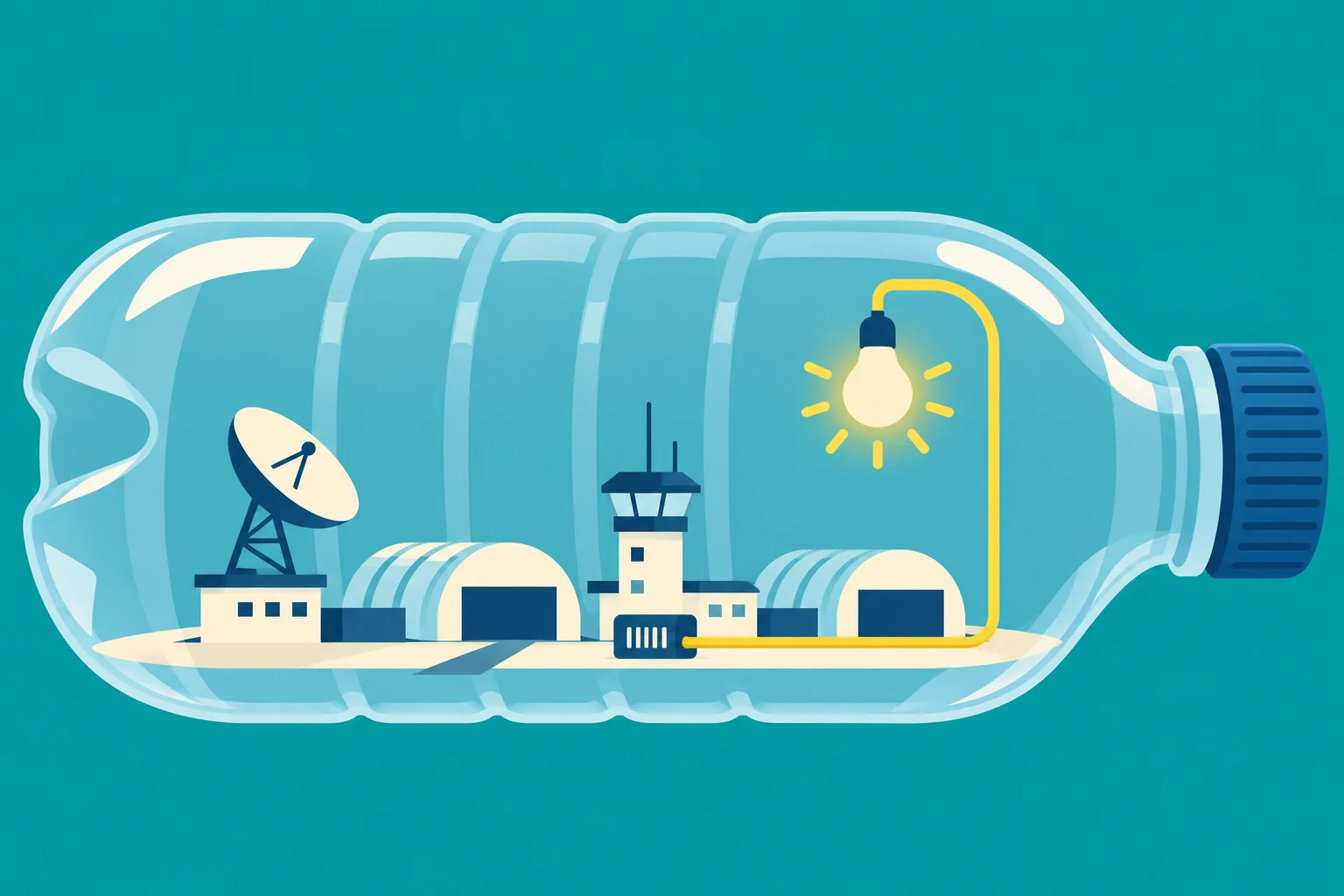
That is a contingency plan for military bases. On Oct. 25, Fox News reported more detail, including a 90-day period. Its report said the Pentagon was preparing bases to operate for at least 90 days without outside support, against the possibility of a major war that could cripple power grids, disrupt supply chains and threaten critical infrastructure on American soil.
Within days, Google searches for “90 day power outage” had jumped 5,000 percent. Videos on TikTok and YouTube then transformed the story into either a government warning that citizens should prepare for a 90-day blackout or a claim that the government itself expected one. By mid-November, multiple TikTok videos were falsely saying a 90-day outage would begin on Nov. 17, according to PolitiFact. Nov. 17, notably, was not a Pentagon forecast.
Then reality supplied some unnerving punctuation. Over six days, outages shut down Microsoft services, stranded hundreds of thousands of U.S. air passengers, prevented customers at some banks from transacting online and took the National Security Agency’s classified communications network offline. A ground-stop order led to the cancellation of some 20,000 flights across the United States. None of that established that a three-month national blackout was coming, but it made the idea of systems failing feel less theoretical.
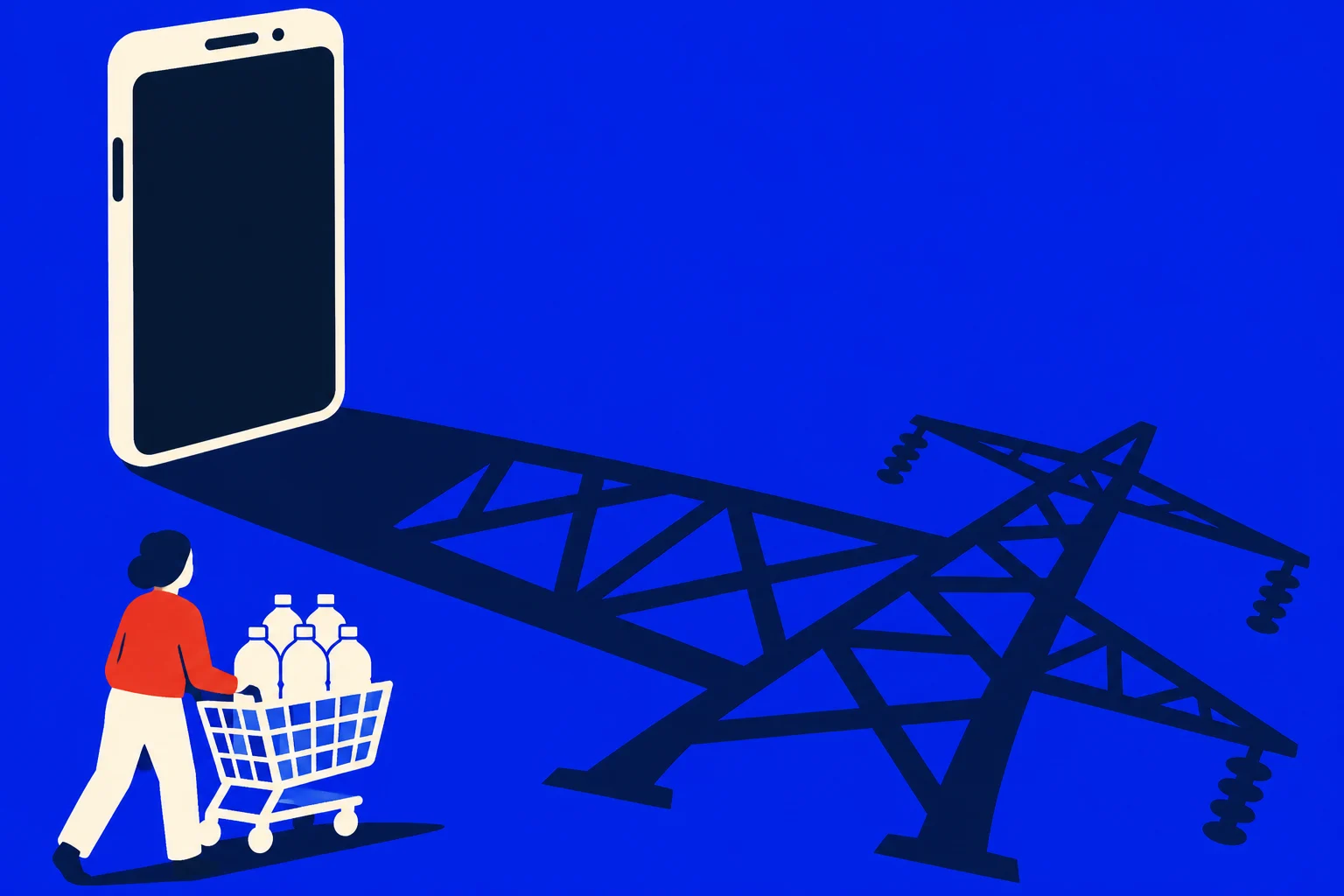
There had already been plenty of gloomy background material. French authorities blamed Iran-backed hackers for a mid-October cyberattack that raised temperatures in hundreds of supermarket freezers across France, spoiling tens of millions of euros worth of food. Britain launched an official “Be Ready” campaign in October, urging people to be self-sufficient for 72 hours in an emergency. The European Commission issued new preparedness guidelines two weeks later, and Germany renewed its recommendation to keep at least a three-day supply of water and ready-to-eat food. Seventy-two hours is not 90 days; both numbers can nevertheless produce a shopping cart.
The commercial evidence is fairly concrete. Web searches for “emergency supplies” were up 300 percent over the past month compared with the same period last year, according to Google Trends. U.S. media reported spikes at stores in California, Ohio and Oklahoma. A Walmart spokesperson told Reuters that customers earlier this month were buying more propane, bottled water and camping gear than usual.
Survival Frog, an online emergency-supplies retailer, said its sales volume rose 450 percent in the three weeks after Oct. 27, with new customers accounting for most of the increase, Axios reported. Since late October, Costco’s U.S. data showed increased purchases of “rice, canned goods, water, paper products, generators, batteries and similar items seemingly in response to a variety of concerns on social media,” a company executive told Bloomberg. Note the careful “seemingly”: Costco can observe the rice; it cannot inspect the customer’s reasoning.
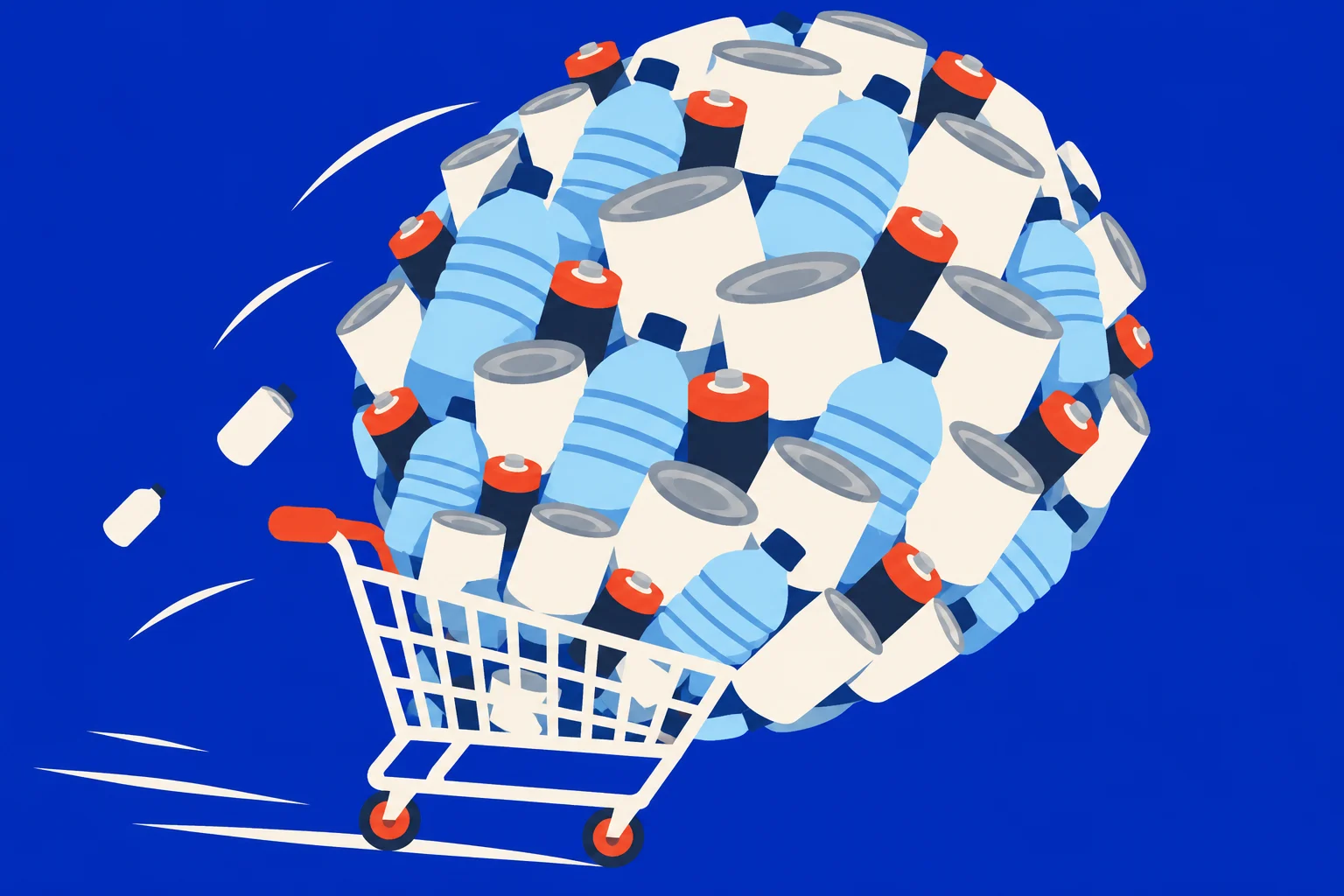
Mehdi Hossain, an associate professor of marketing at the University of Rhode Island, studied the panic buying of the early COVID-19 pandemic. Then, uncertainty left people without a reference point for how much preparation was sensible, while anxiety about the threat sometimes pushed stockpiling into irrationality. The underlying calculation was regret: “OK, if I don’t prepare for this reality, and I suffer and my family suffers because of my lack of preparedness, I am going to regret it,” he said.
A similar psychology appears to have been operating recently, reinforced by false social-media reports. “It’s a snowball kind of effect,” Hossain said. “That fake news, when it validates with your fear, you start trusting it more than probably you should, and you start acting on it.” The purchase then becomes evidence that other people know something, which can give the next shopper another reason to buy. Fear has a distribution network, too.
There is nothing inherently absurd about keeping water, food or batteries at home; several governments explicitly recommend modest reserves. The leap here was from military installations maintaining independent power during a hypothetical war to civilians expecting a dated, nationwide blackout. The Pentagon asked bases to be resilient. The internet added a checkout button.