
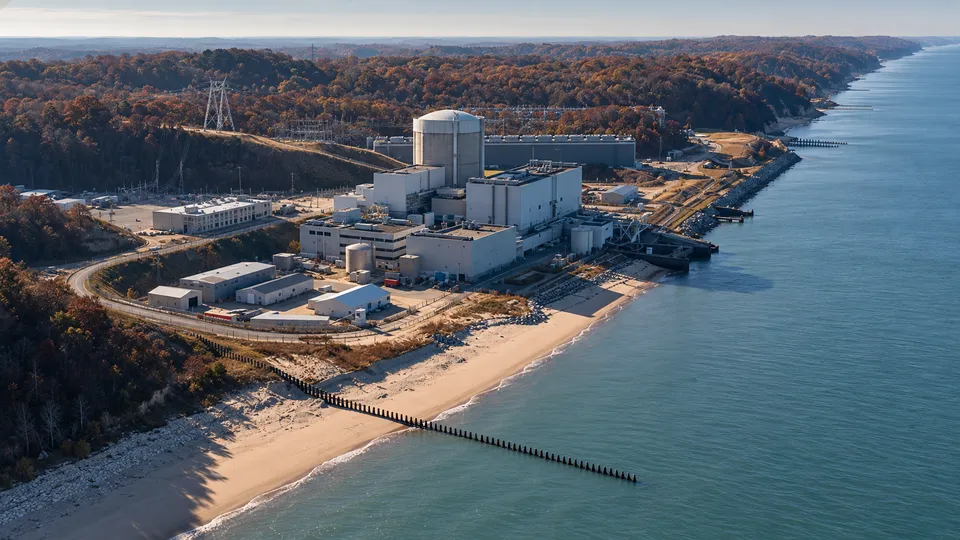
Every industrial age keeps a monument to second chances, and America’s nuclear industry has chosen this one: the Palisades plant, the reactor meant to showcase the comeback — the proof that an atom once retired could be coaxed back to life. Instead, the Financial Times reported in an account carried by Ars Technica, the project keeps hitting problems, and the latest concern not physics but culture — the invisible weather inside a workplace on which, in the atomic business, everything else depends.
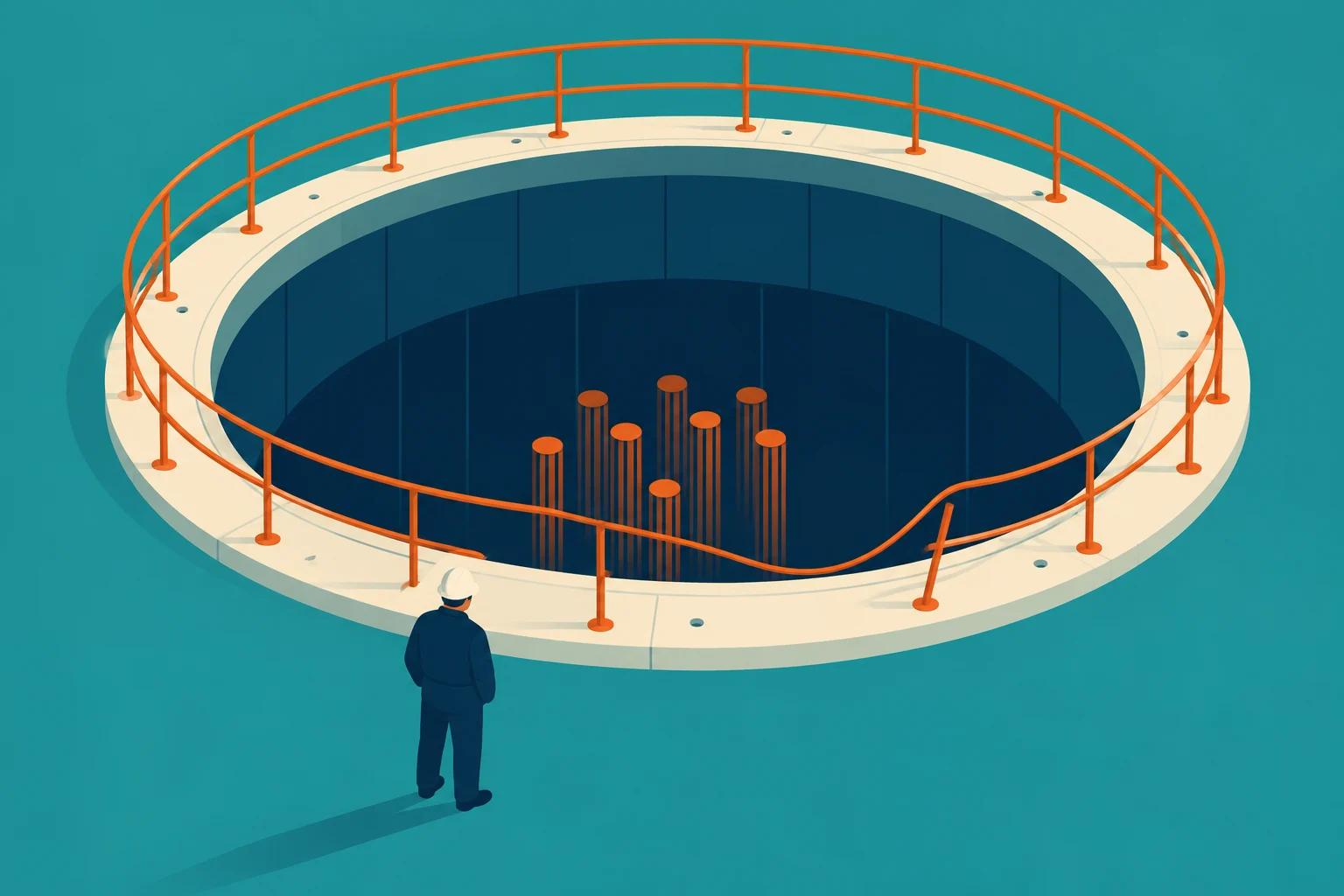
Some of the episodes on the file belong more to slapstick than to engineering, except that nothing is funny inside a reactor. Last year a contractor fell into the reactor cavity; Holtec says the worker sustained minor injuries and quickly returned to work. Then there was the fuel assembly that tilted over — recovered, the company says, without spilling, in what it called a “remarkable demonstration of technical ingenuity.”
The regulator’s letter
The Nuclear Regulatory Commission was less enchanted. It has told Holtec that its concerns about workplace culture must be addressed promptly to prevent further “cultural decline” within the affected departments. The company has been asked to correct the problems, and the NRC will review its plan within 30 days. For the public beyond the fence, the regulator offered reassurance, saying mitigating measures ensured plant safety was not compromised.
Holtec, for its part, says it took the issues identified by the NRC seriously and is addressing them to ensure the plant runs safely. “A strong safety-conscious work environment is fundamental to our culture,” the company said in its statement. “The assertion that we have rushed has directly been countered by the work that has been accomplished.”
The clock on the wall
Time, in this story, is a contract. Holtec faces a March 2027 deadline to begin supplying power to customers — customers who secured an extra $1.3 billion in government funds to buy that power from Palisades. The company is at the same time attempting one of the more audacious transformations in a conservative industry: from a supplier of nuclear components and services into a designer of reactors and an operator of plants.
The scrutiny does not arrive from a clean page. Holtec has faced governance questions before — the target of a whistleblower lawsuit and of legal disputes involving former executives, relating to allegations of financial misrepresentation, executive retaliation and fraudulent practices. Kris Singh, the company’s founder and chief executive, rejected the claims in a prior interview with the FT.
Regulators, like history, ask their questions twice: whether the machine will work, and whether the men who run it can be believed. The man who fell into the reactor cavity climbed out and went back to work, which is its own small testimony to the place. The machine waits for its March deadline. Around Palisades the second resurrection of the atom proceeds — under an inspector’s letter, on government money, and on faith that has to be earned in thirty days.